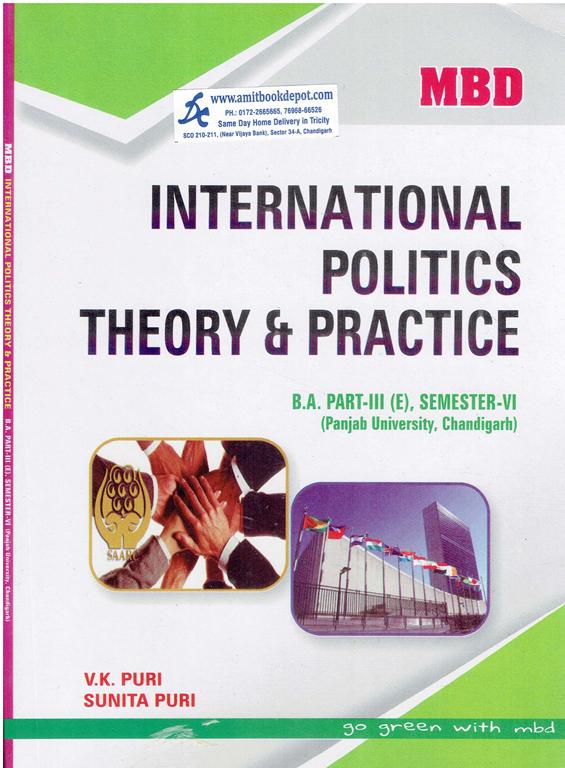
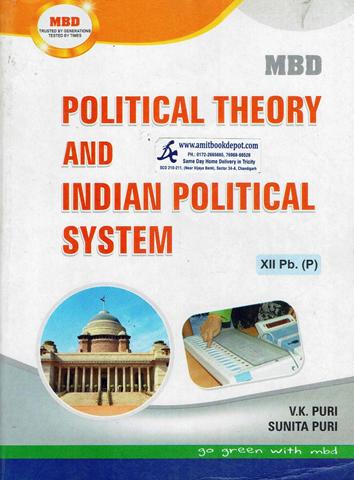
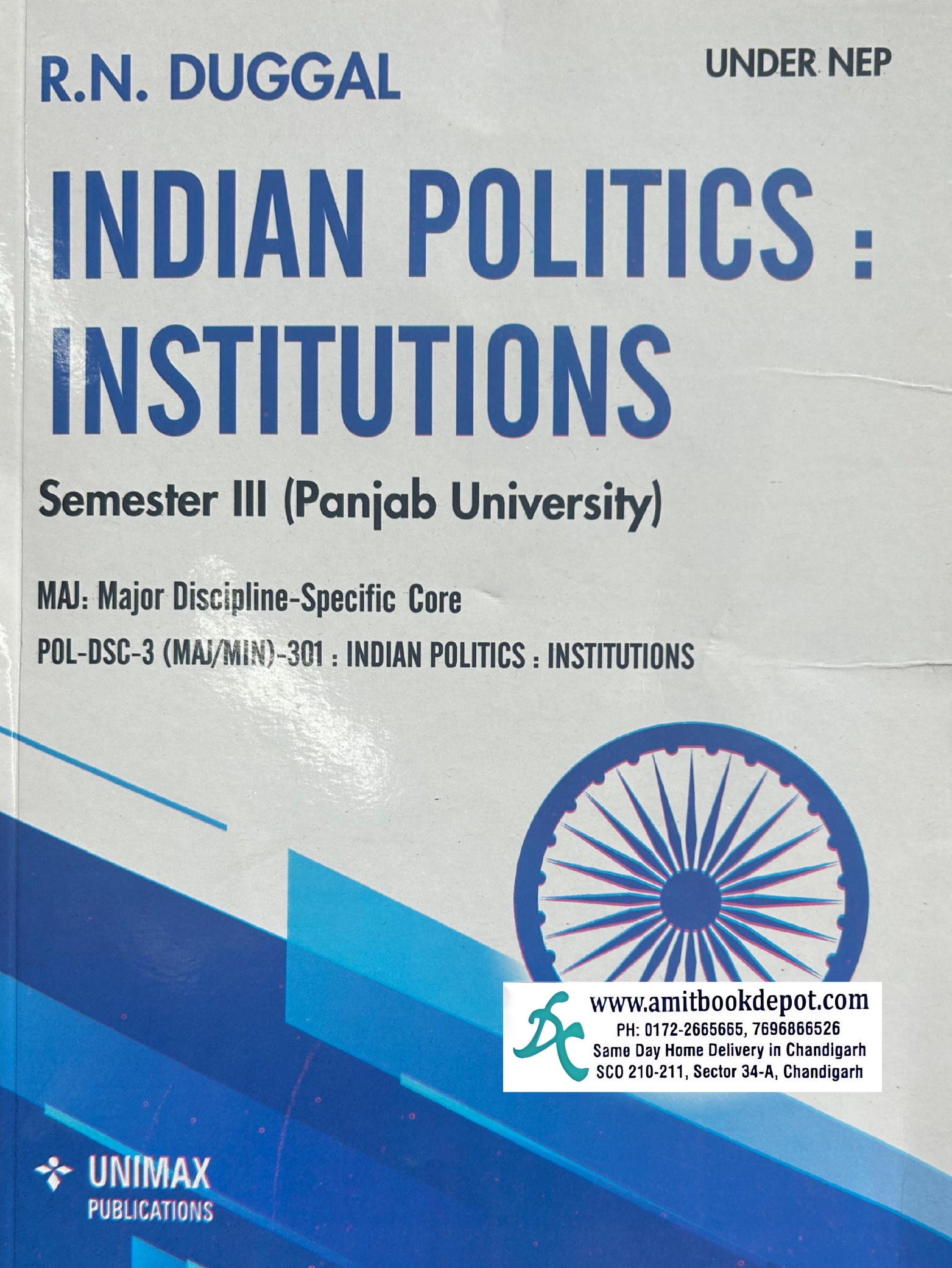
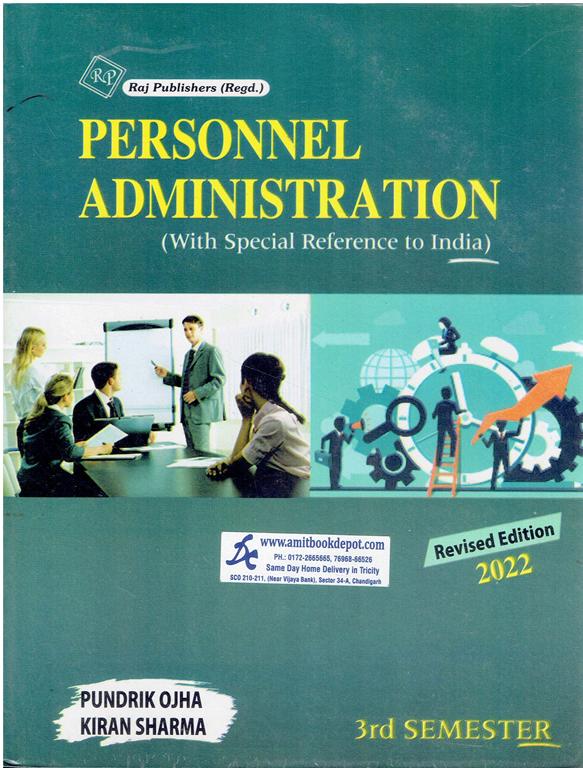
Yes, it is specifically written and structured to align with the NEP-mandated syllabus for BA 3rd Semester Political Science at PU.
Absolutely. The book provides balanced coverage, with dedicated units on Union institutions (like the Supreme Court) and State institutions (like the Governor and State Legislature).
Yes, Unit III includes a detailed sub-section on the Governor, covering appointment, various powers (executive, legislative, financial, discretionary), and their evolving position in Indian politics.
Yes, Unit IV explicitly covers both the Election Commission of India and the State Election Commission, detailing their respective composition, powers, and roles.
Definitely. The content provides a strong foundational understanding of Indian Polity, which is a core subject for most civil service examinations.
Unit I concludes with a detailed analysis of the doctrine of checks and balances, specifically explaining the inter-relationship and jurisdictional boundaries between the Judiciary, Legislature, and Executive.
This refers to the differential treatment of states by the Union government, such as special provisions for states like Jammu & Kashmir (pre-2019), Nagaland, Assam, etc. The book explains this unique feature of Indian federalism in Unit II.
The language is clear, concise, and tailored for undergraduate students, making complex constitutional topics easy to understand.
Yes, its structured unit-wise presentation, clear explanations, and inclusion of practice questions make it highly effective for self-study.
The book covers the entire theoretical syllabus (90 marks), which is proportionately increased for private candidates as per the university's instructions noted in the syllabus.
No Description Added
Yes, it is specifically written and structured to align with the NEP-mandated syllabus for BA 3rd Semester Political Science at PU.
Absolutely. The book provides balanced coverage, with dedicated units on Union institutions (like the Supreme Court) and State institutions (like the Governor and State Legislature).
Yes, Unit III includes a detailed sub-section on the Governor, covering appointment, various powers (executive, legislative, financial, discretionary), and their evolving position in Indian politics.
Yes, Unit IV explicitly covers both the Election Commission of India and the State Election Commission, detailing their respective composition, powers, and roles.
Definitely. The content provides a strong foundational understanding of Indian Polity, which is a core subject for most civil service examinations.
Unit I concludes with a detailed analysis of the doctrine of checks and balances, specifically explaining the inter-relationship and jurisdictional boundaries between the Judiciary, Legislature, and Executive.
This refers to the differential treatment of states by the Union government, such as special provisions for states like Jammu & Kashmir (pre-2019), Nagaland, Assam, etc. The book explains this unique feature of Indian federalism in Unit II.
The language is clear, concise, and tailored for undergraduate students, making complex constitutional topics easy to understand.
Yes, its structured unit-wise presentation, clear explanations, and inclusion of practice questions make it highly effective for self-study.
The book covers the entire theoretical syllabus (90 marks), which is proportionately increased for private candidates as per the university's instructions noted in the syllabus.