-
Mon-Fri: 10AM to 8PM 01722665665
-
My Account
-
-
0
Total :
₹ 0.00

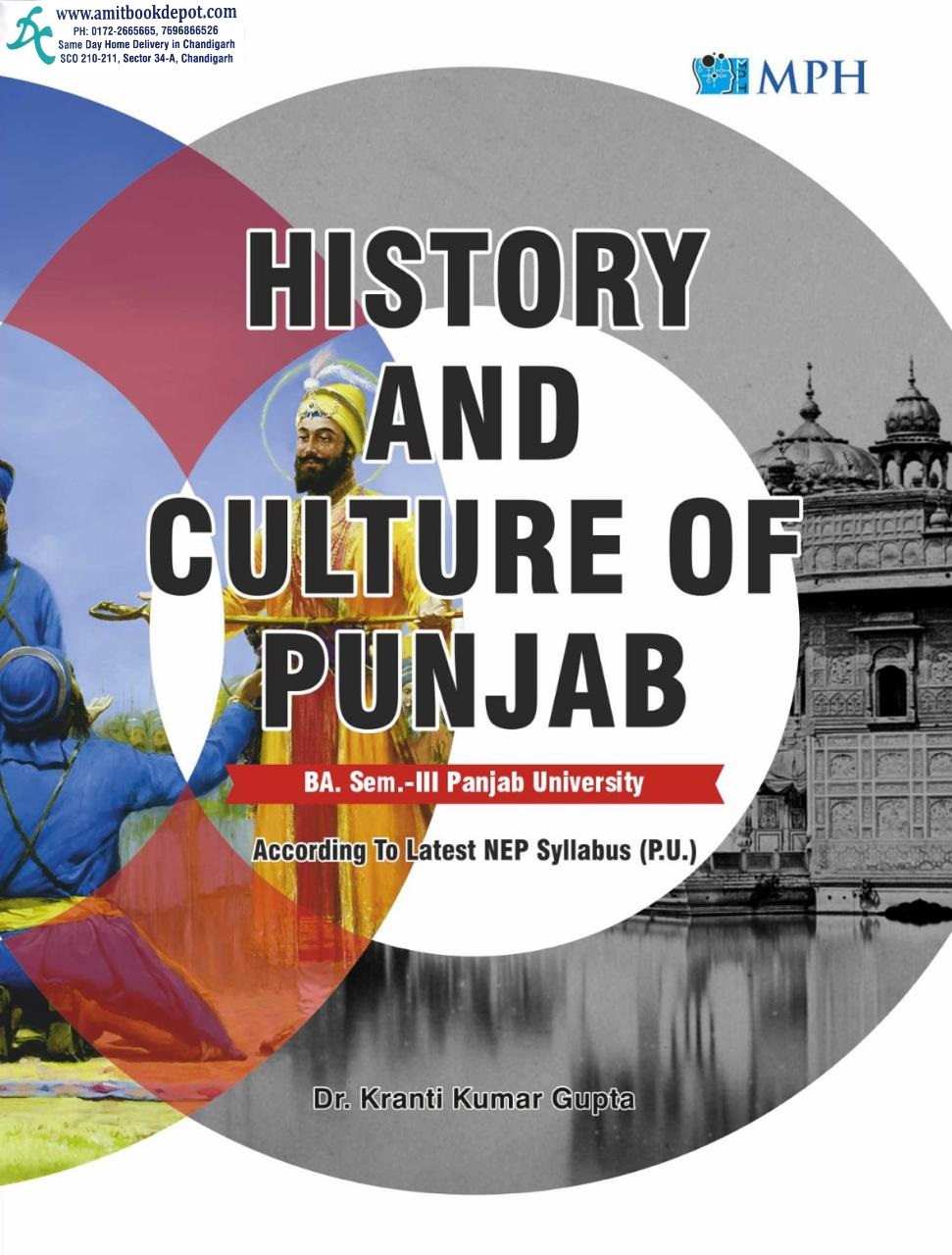

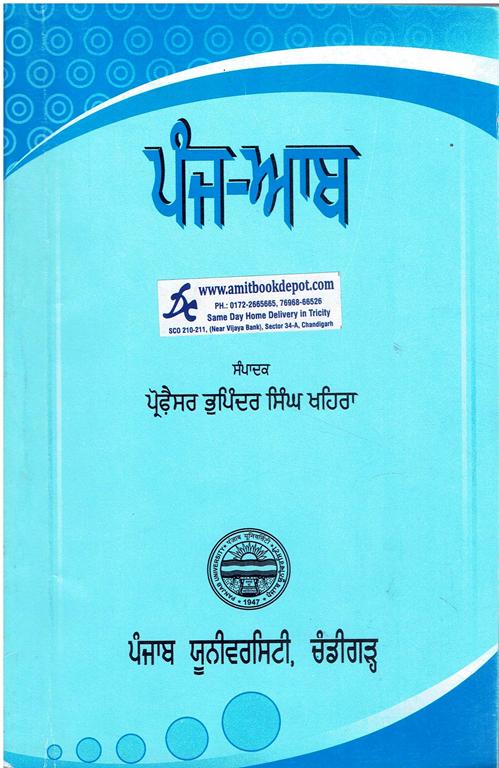
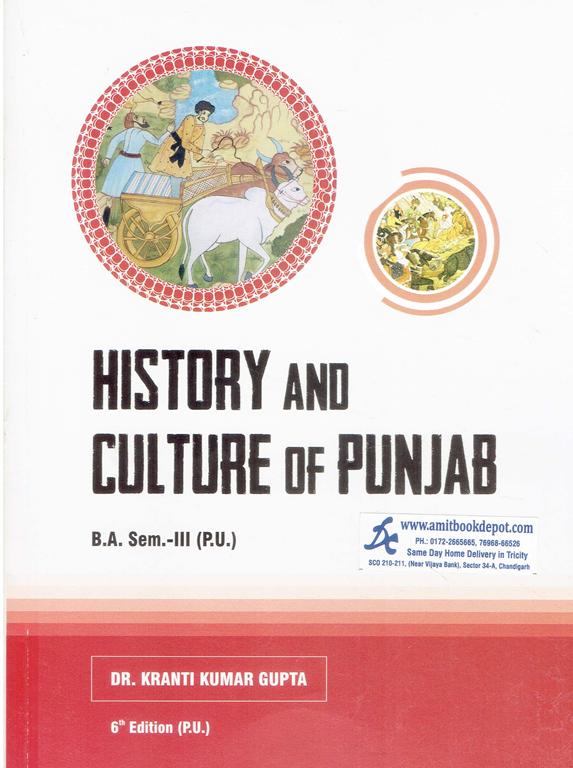
Yes, it strictly follows the NEP syllabus for Punjab University.
Yes, it provides a comprehensive study of Punjab’s history and culture from 1200 C.E. to 1699 C.E.
Yes, it discusses Guru Nanak’s teachings, Langar, and Sangat in detail.
Absolutely, it covers salient features of Bhakti and Sufism in Punjab.
Yes, it details Guru Gobind Singh Ji’s establishment of the Khalsa Panth.
Yes, it serves as a valuable resource for Punjab history sections in competitive exams.
Yes, it covers their historical and religious significance.
Yes, its structured content makes it ideal for self-study and exam preparation.
Yes, it aligns with PU’s internal assessment pattern (mid-semester tests, assignments, attendance).
Yes, it includes long answer questions (700-1000 words) for detailed preparation.
No Description Added
Yes, it strictly follows the NEP syllabus for Punjab University.
Yes, it provides a comprehensive study of Punjab’s history and culture from 1200 C.E. to 1699 C.E.
Yes, it discusses Guru Nanak’s teachings, Langar, and Sangat in detail.
Absolutely, it covers salient features of Bhakti and Sufism in Punjab.
Yes, it details Guru Gobind Singh Ji’s establishment of the Khalsa Panth.
Yes, it serves as a valuable resource for Punjab history sections in competitive exams.
Yes, it covers their historical and religious significance.
Yes, its structured content makes it ideal for self-study and exam preparation.
Yes, it aligns with PU’s internal assessment pattern (mid-semester tests, assignments, attendance).
Yes, it includes long answer questions (700-1000 words) for detailed preparation.