-
Mon-Fri: 10AM to 8PM 01722665665
-
My Account
-
-
0
Total :
₹ 0.00

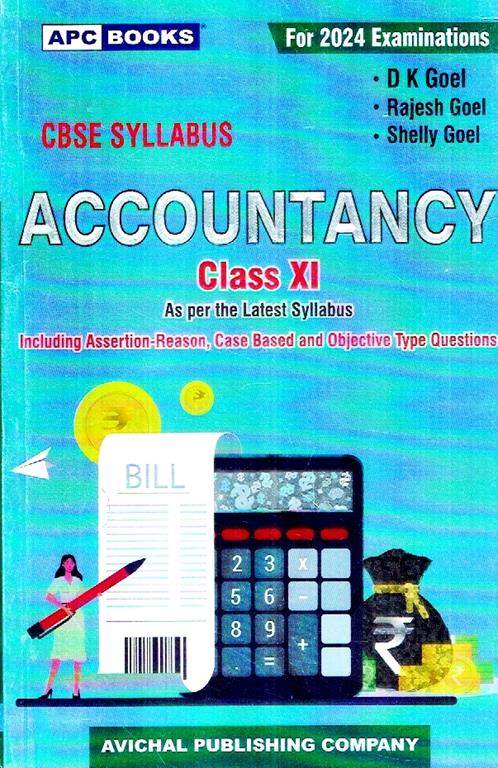





Assets = Liabilities + Capital. It forms the basis of double-entry bookkeeping.
GST is a value-added tax levied on supply of goods and services, replacing multiple indirect taxes.
Original records like invoices, cash memos, and receipts that prove a transaction occurred.
Provision is for known liability; reserve is appropriation of profit for future use.
A statement listing all ledger balances to verify arithmetic accuracy of accounts.
Expenditure that generates long-term benefits, e.g., purchase of machinery.
Every transaction affects two accounts, ensuring complete and accurate recording.
Separate books like purchases book, sales book for recording similar repetitive transactions.
Accounting system where only some transactions are recorded, often in single entry.
To ensure uniformity, transparency, and comparability of financial statements.
No Description Added
Assets = Liabilities + Capital. It forms the basis of double-entry bookkeeping.
GST is a value-added tax levied on supply of goods and services, replacing multiple indirect taxes.
Original records like invoices, cash memos, and receipts that prove a transaction occurred.
Provision is for known liability; reserve is appropriation of profit for future use.
A statement listing all ledger balances to verify arithmetic accuracy of accounts.
Expenditure that generates long-term benefits, e.g., purchase of machinery.
Every transaction affects two accounts, ensuring complete and accurate recording.
Separate books like purchases book, sales book for recording similar repetitive transactions.
Accounting system where only some transactions are recorded, often in single entry.
To ensure uniformity, transparency, and comparability of financial statements.