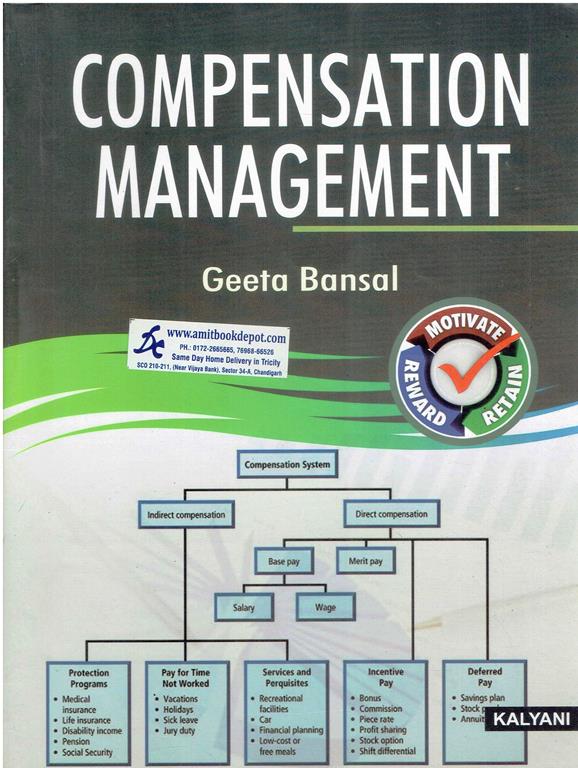
Yes, this book by Geeta Bansal is meticulously crafted to align 100% with the prescribed syllabus for paper MC.409 - Compensation Management for Panjab University.
Absolutely. It provides a strong foundation in economic and behavioral theories while offering practical guidance on designing pay structures, administering packages, and handling real-world components like fringe benefits and incentives.
Yes, Chapter 11, "International Pay Systems/Expatriate Pay," is dedicated to this topic, making it highly relevant for understanding global HR practices.
Chapter 10, "Compensation for Special Groups and Executives," provides detailed insights into packages for corporate directors, CEOs, senior managers, professionals, knowledge workers, and R&D staff.
Yes, the final section of the book (Chapters 12-14) covers the institutional framework, including wage boards, pay commissions, and the specific role of trade unions in wage management.

Yes, the final chapter, "Executive Perks and Tax Planning," discusses the important aspect of tax implications, which is crucial for designing efficient compensation packages.
The language is academic and formal, as suited for a university-level textbook, but it is structured and explained in a manner that is accessible to MCom students.
Yes, Chapter 5, "Understanding Internal and External Equities in Compensation," along with the subsequent chapter on "Designing a Pay Structure," provides a detailed methodology for achieving equity in compensation systems.
Chapter 9, "Pay for Performance," is entirely dedicated to this concept, exploring various plans and strategies that link employee compensation directly to their performance and productivity.
The book is primarily conceptual and theoretical, focusing on the frameworks, policies, and strategies of compensation management as required by the syllabus. It does not heavily emphasize numerical problems.
No Description Added
Yes, this book by Geeta Bansal is meticulously crafted to align 100% with the prescribed syllabus for paper MC.409 - Compensation Management for Panjab University.
Absolutely. It provides a strong foundation in economic and behavioral theories while offering practical guidance on designing pay structures, administering packages, and handling real-world components like fringe benefits and incentives.
Yes, Chapter 11, "International Pay Systems/Expatriate Pay," is dedicated to this topic, making it highly relevant for understanding global HR practices.
Chapter 10, "Compensation for Special Groups and Executives," provides detailed insights into packages for corporate directors, CEOs, senior managers, professionals, knowledge workers, and R&D staff.
Yes, the final section of the book (Chapters 12-14) covers the institutional framework, including wage boards, pay commissions, and the specific role of trade unions in wage management.
Yes, the final chapter, "Executive Perks and Tax Planning," discusses the important aspect of tax implications, which is crucial for designing efficient compensation packages.
The language is academic and formal, as suited for a university-level textbook, but it is structured and explained in a manner that is accessible to MCom students.
Yes, Chapter 5, "Understanding Internal and External Equities in Compensation," along with the subsequent chapter on "Designing a Pay Structure," provides a detailed methodology for achieving equity in compensation systems.
Chapter 9, "Pay for Performance," is entirely dedicated to this concept, exploring various plans and strategies that link employee compensation directly to their performance and productivity.
The book is primarily conceptual and theoretical, focusing on the frameworks, policies, and strategies of compensation management as required by the syllabus. It does not heavily emphasize numerical problems.