-
Mon-Fri: 10AM to 8PM 01722665665
-
My Account
-
-
0
Total :
₹ 0.00

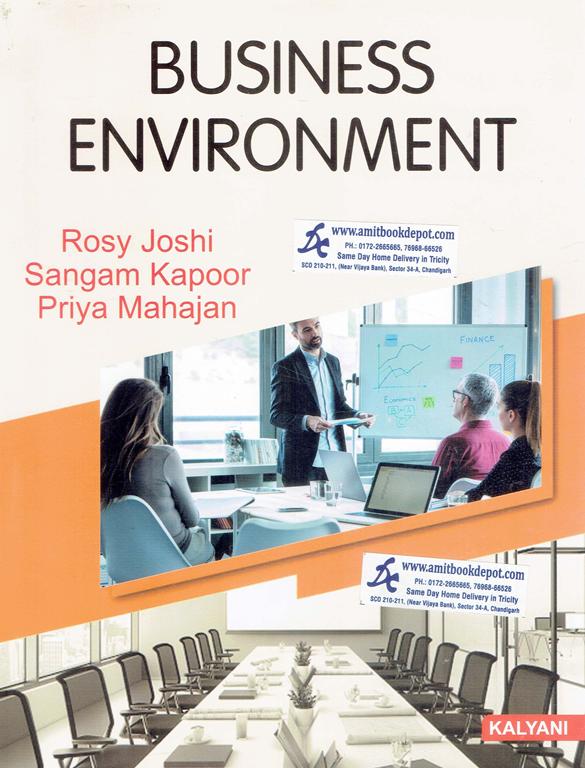
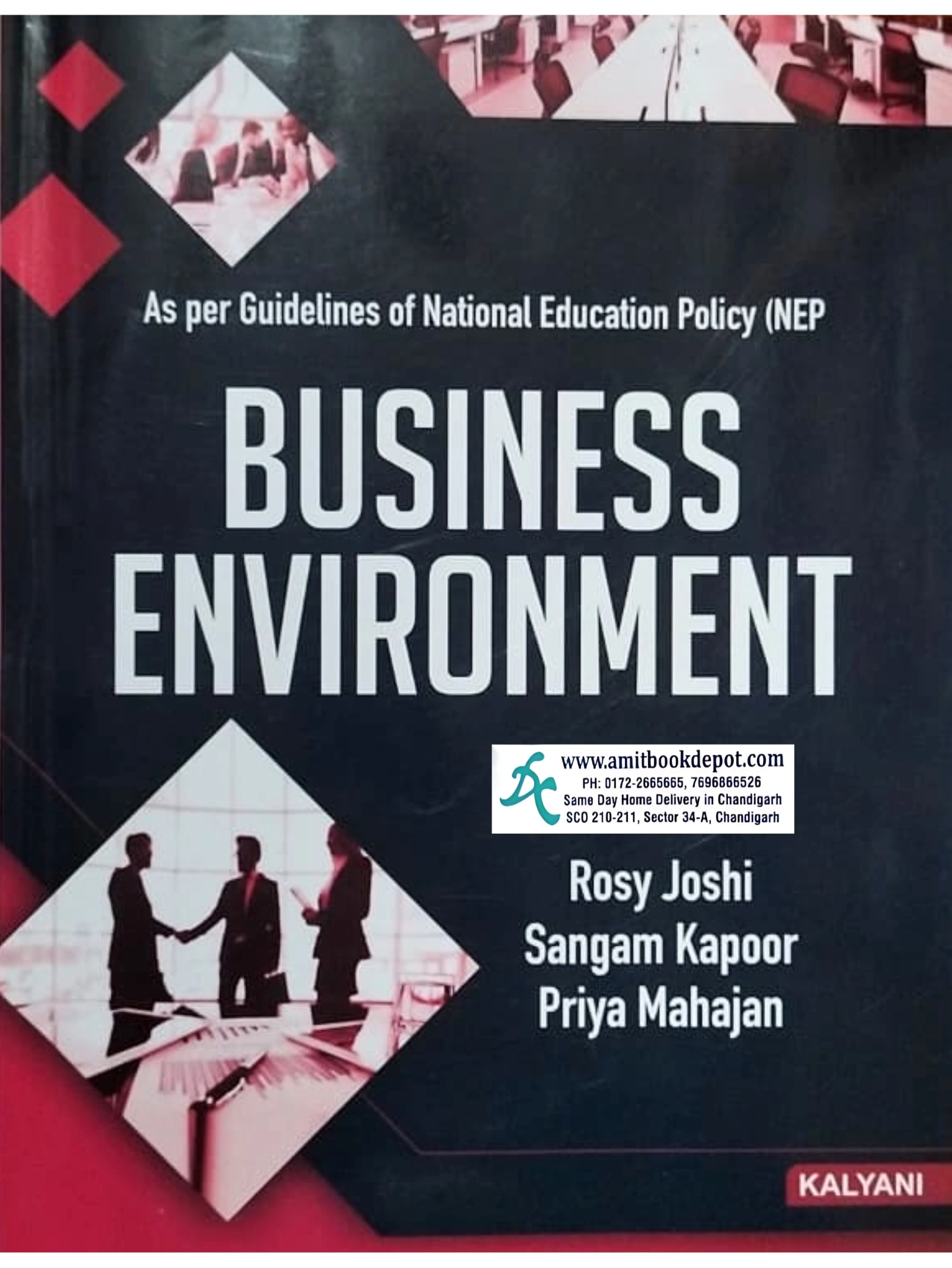
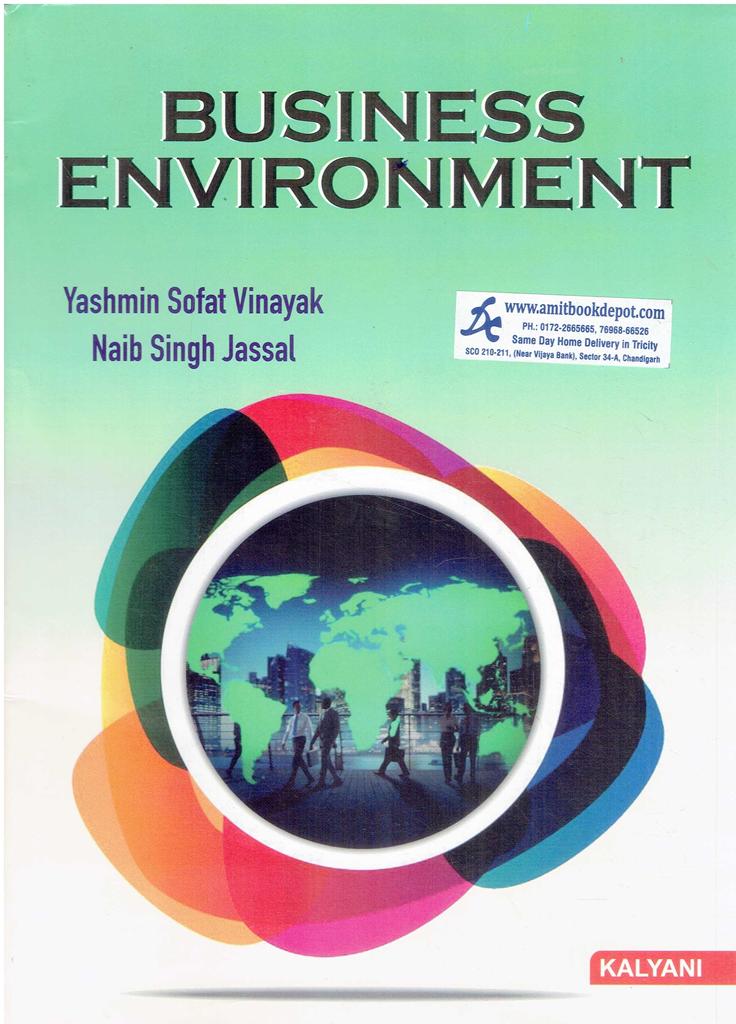
Yes, this book is exclusively tailored for the BBA 4th Semester of Panjab University, Chandigarh, covering the entire syllabus for course code NBBA 404 as per the New Education Policy (NEP).
Absolutely. It includes dedicated chapters on NITI Aayog, the Competition Act, 2002, and other contemporary policies like the New Economic Policy and FEMA.
Yes, the content is structured according to the university's Unit-wise syllabus and instructions for paper setters, covering both short-answer and essay-type questions as outlined in the exam pattern.
Yes, Chapter 25 provides an overview of Global Institutions (World Bank, IMF, WTO, UNCTAD), and their role is contextualized within India's foreign trade and policy framework.
Yes, it has detailed chapters on Social Responsibility of Business, Corporate Social Responsibility (CSR), and Social Audit as required by the syllabus.
Yes, Chapter 15 on the Technological Environment specifically covers the Impact of Technology on Business, Technology Transfer, and Digital Transformation.
Yes, Chapter 24 covers key Theories of International Trade such as Mercantilism, Absolute Advantage, Comparative Advantage, and Porter’s Diamond Model.
The legal environment section covers key, stable legislation crucial for the syllabus, including FEMA, SEBI, Intellectual Property Laws, and the Competition Act, 2002.
Yes, Chapter 16 covers the Social and Cultural Environment, including social systems, values, attitudes, and cultural factors influencing business in India.
Yes, the content supports the prescribed pedagogy of classroom lectures, discussions, and case studies, making it a suitable core text for both teaching and learning.
No Description Added
Yes, this book is exclusively tailored for the BBA 4th Semester of Panjab University, Chandigarh, covering the entire syllabus for course code NBBA 404 as per the New Education Policy (NEP).
Absolutely. It includes dedicated chapters on NITI Aayog, the Competition Act, 2002, and other contemporary policies like the New Economic Policy and FEMA.
Yes, the content is structured according to the university's Unit-wise syllabus and instructions for paper setters, covering both short-answer and essay-type questions as outlined in the exam pattern.
Yes, Chapter 25 provides an overview of Global Institutions (World Bank, IMF, WTO, UNCTAD), and their role is contextualized within India's foreign trade and policy framework.
Yes, it has detailed chapters on Social Responsibility of Business, Corporate Social Responsibility (CSR), and Social Audit as required by the syllabus.
Yes, Chapter 15 on the Technological Environment specifically covers the Impact of Technology on Business, Technology Transfer, and Digital Transformation.
Yes, Chapter 24 covers key Theories of International Trade such as Mercantilism, Absolute Advantage, Comparative Advantage, and Porter’s Diamond Model.
The legal environment section covers key, stable legislation crucial for the syllabus, including FEMA, SEBI, Intellectual Property Laws, and the Competition Act, 2002.
Yes, Chapter 16 covers the Social and Cultural Environment, including social systems, values, attitudes, and cultural factors influencing business in India.
Yes, the content supports the prescribed pedagogy of classroom lectures, discussions, and case studies, making it a suitable core text for both teaching and learning.