-
Mon-Fri: 10AM to 8PM 01722665665
-
My Account
-
-
0
Total :
₹ 0.00

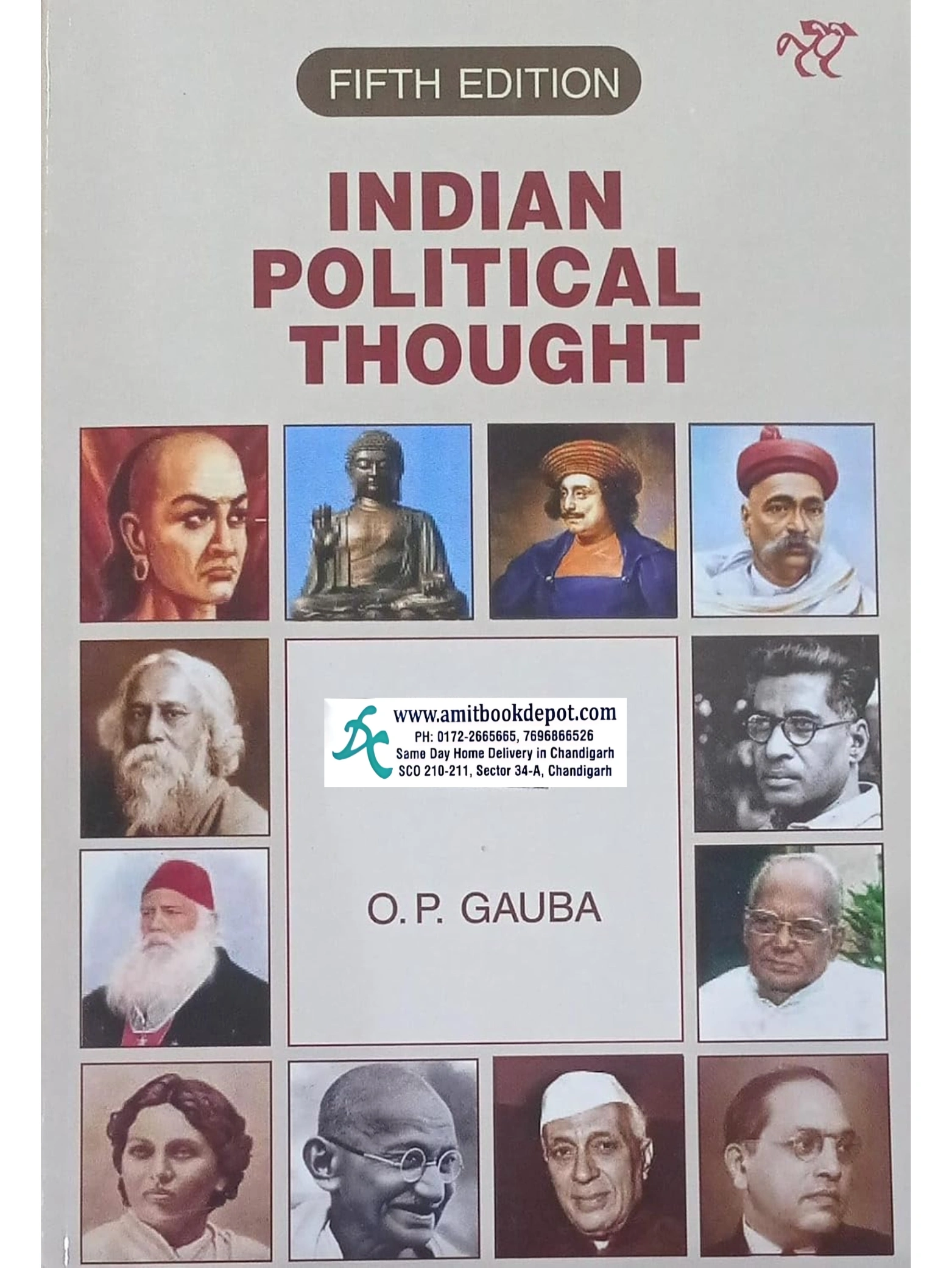


The book is primarily designed for students, scholars, and researchers of Indian political history, political science, and philosophy, as well as candidates preparing for competitive exams like UPSC and civil services.
The book systematically explores Indian political ideas by dividing the content into sections on ancient Indian thought—covering texts like the Dharmashastra, Mahabharata, and Arthashastra—and modern Indian political ideologies, including liberalism, nationalism, socialism, and Gandhian philosophy.
Yes, the book dedicates specific chapters to major thinkers like Manu, Kautilya, Swami Vivekananda, Rabindranath Tagore, Mahatma Gandhi, Jawaharlal Nehru, and others, providing detailed insights into their ideas and influence.
Yes, it emphasizes how religious, philosophical, and cultural factors have significantly influenced Indian political ideas, from ancient times through the colonial period to independence.
The book includes a dedicated section on Islamic political thinkers like Syed Ahmad Khan, Muhammad Iqbal, and Muhammad Ali Jinnah, exploring their visions of Muslim identity and nationalism.
Yes, the book discusses social reformers like Mahatma Jyotiba Phule, Babasaheb Ambedkar, Pandita Ramabai, and Periyar, highlighting their efforts towards social equality and emancipation.
Yes, it provides an in-depth analysis of Nehru’s visions of secularism, democracy, socialism, and scientific temper, emphasizing his leadership in shaping modern India.
Definitely. Its detailed yet concise coverage of key political thinkers and philosophies makes it an excellent resource for UPSC, civil services, and other government exams.
The fifth edition offers updated content, refined analysis, and a clearer presentation of complex ideas, making it more accessible and relevant for contemporary studies.
Yes, it provides detailed discussions on ideas like secularism, socialism, nationalism, and humanism, offering a solid understanding of the philosophical underpinnings of Indian democracy.
No Description Added
The book is primarily designed for students, scholars, and researchers of Indian political history, political science, and philosophy, as well as candidates preparing for competitive exams like UPSC and civil services.
The book systematically explores Indian political ideas by dividing the content into sections on ancient Indian thought—covering texts like the Dharmashastra, Mahabharata, and Arthashastra—and modern Indian political ideologies, including liberalism, nationalism, socialism, and Gandhian philosophy.
Yes, the book dedicates specific chapters to major thinkers like Manu, Kautilya, Swami Vivekananda, Rabindranath Tagore, Mahatma Gandhi, Jawaharlal Nehru, and others, providing detailed insights into their ideas and influence.
Yes, it emphasizes how religious, philosophical, and cultural factors have significantly influenced Indian political ideas, from ancient times through the colonial period to independence.
The book includes a dedicated section on Islamic political thinkers like Syed Ahmad Khan, Muhammad Iqbal, and Muhammad Ali Jinnah, exploring their visions of Muslim identity and nationalism.
Yes, the book discusses social reformers like Mahatma Jyotiba Phule, Babasaheb Ambedkar, Pandita Ramabai, and Periyar, highlighting their efforts towards social equality and emancipation.
Yes, it provides an in-depth analysis of Nehru’s visions of secularism, democracy, socialism, and scientific temper, emphasizing his leadership in shaping modern India.
Definitely. Its detailed yet concise coverage of key political thinkers and philosophies makes it an excellent resource for UPSC, civil services, and other government exams.
The fifth edition offers updated content, refined analysis, and a clearer presentation of complex ideas, making it more accessible and relevant for contemporary studies.
Yes, it provides detailed discussions on ideas like secularism, socialism, nationalism, and humanism, offering a solid understanding of the philosophical underpinnings of Indian democracy.