-
Mon-Fri: 10AM to 8PM 01722665665
-
My Account
-
-
0
Total :
₹ 0.00

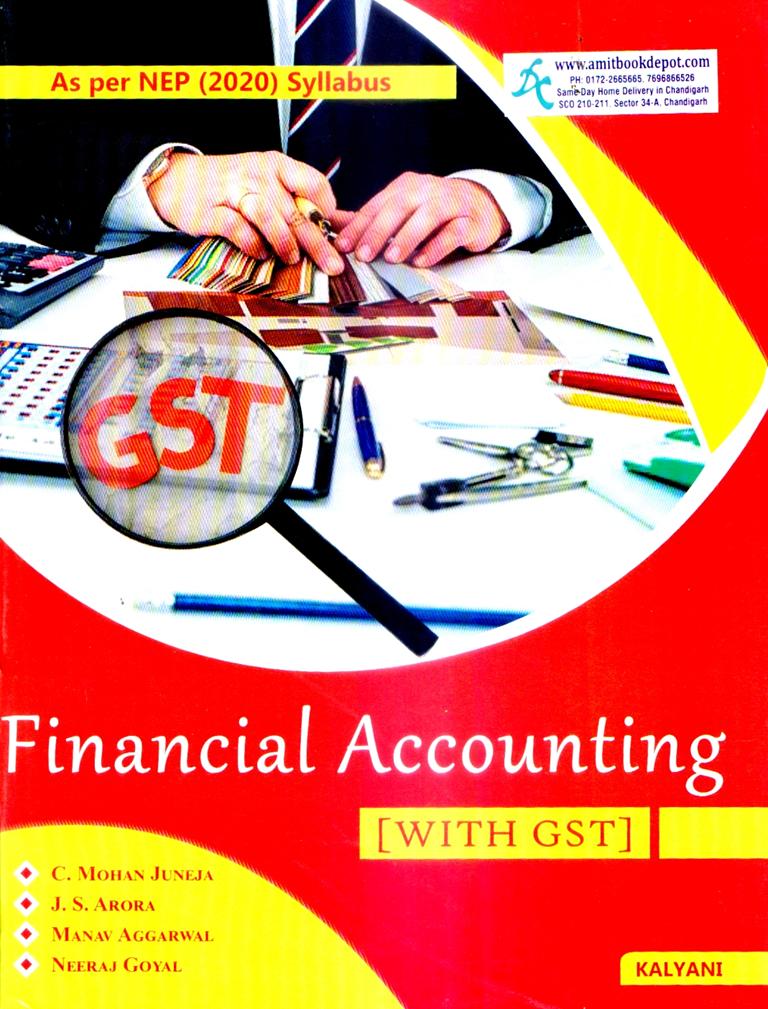
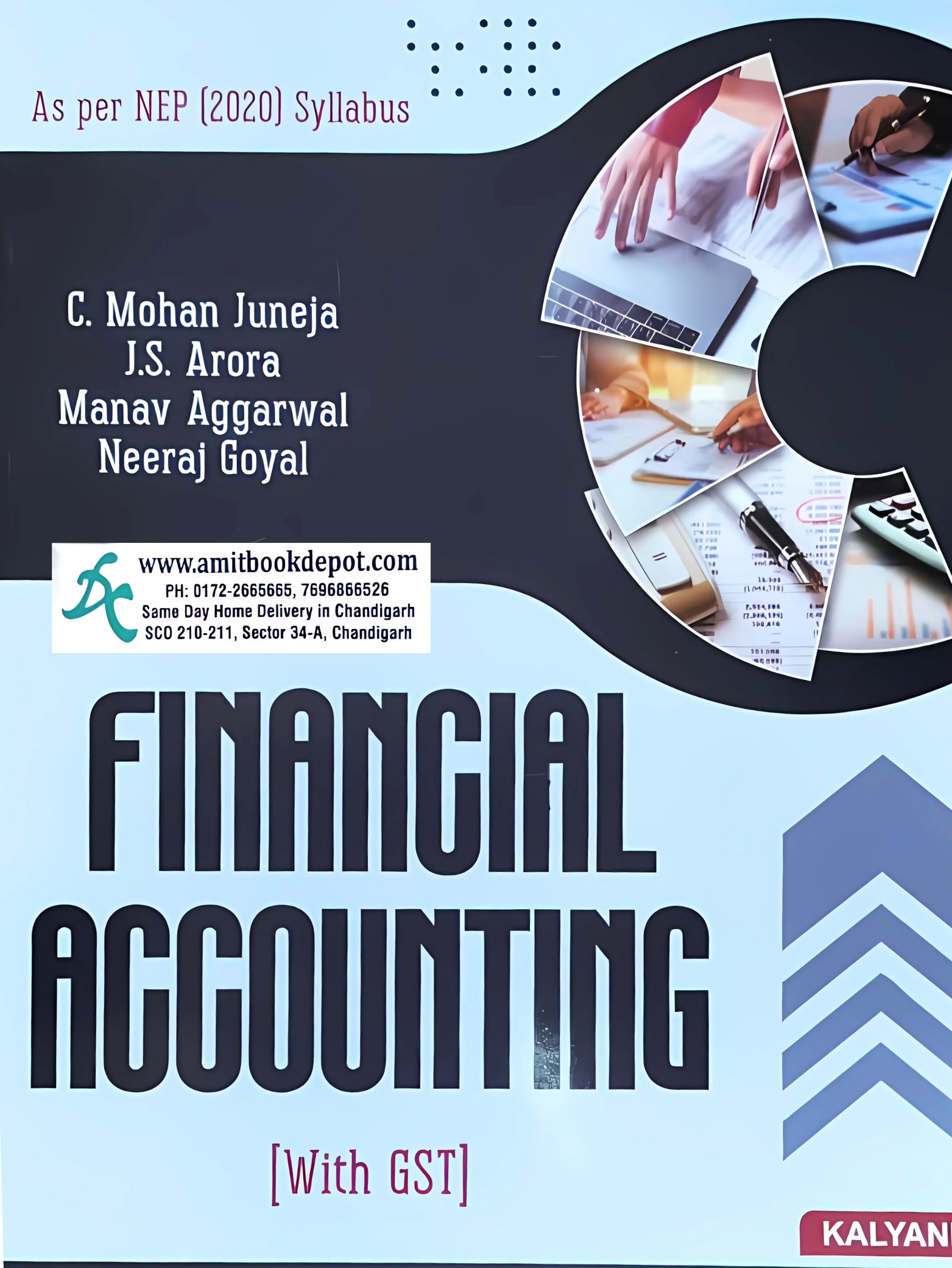

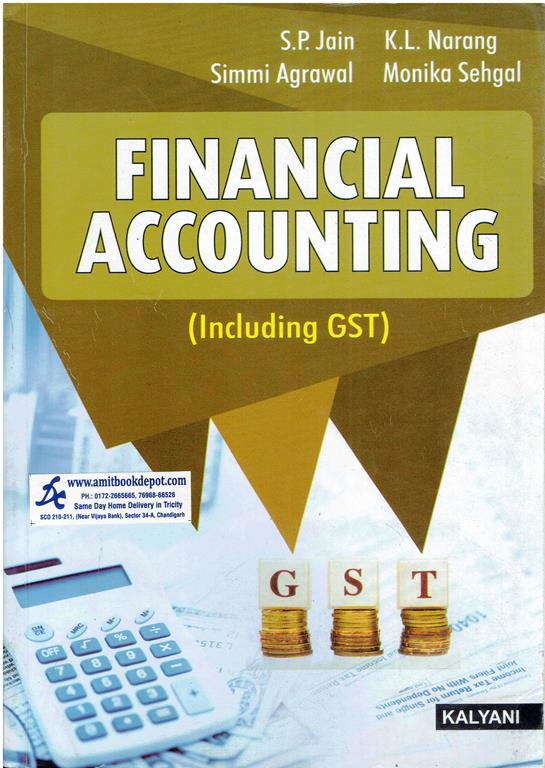
Yes, the book is meticulously crafted to align with the most recent syllabus and paper pattern for Course Code NBBA 103, including the division of sections and marking scheme.
It contains a dedicated chapter (Chapter 5: Introduction to GST-Based Accounting) that explains the basics of GST and how it integrates into the recording of financial transactions, a key modern accounting requirement.
Absolutely. The section on Company Accounts provides comprehensive coverage and numerous numerical examples on the issue and redemption of debentures, as emphasized in the syllabus.
Yes, the book has two separate, detailed chapters (Chapter 11 & 12) that guide students through the preparation of final accounts first without adjustments and then with all necessary adjustments.
While the book provides the strong theoretical accounting foundation required to perform the software-based lab work (like creating vouchers and reports), the actual software operation is a separate practical evaluation. The book's concepts are essential for that lab work.
Yes, Chapter 10 on Depreciation Accounting covers both the Straight-Line Method (SLM) and Written Down Value Method (WDV) in detail with numerical illustrations for clarity.
The content is structured to help students answer short-answer questions (Section A) and longer essay-type/numerical questions (Sections B & C), with a focus on the numerical-heavy nature of the paper as per the paper-setter's instructions.
Its primary differentiator is its precise customization for Panjab University Chandigarh BBA students, including GST integration, a perfect syllabus map, and an exam-focused approach, which generic books lack.
Yes, Unit II begins with Company Accounts on Share Capital and provides a complete accounting treatment for the issue, forfeiture, and reissue of shares.
Yes, it is designed to be a comprehensive and self-contained resource that covers the entire prescribed syllabus in depth, making it sufficient for thorough preparation and high scores.
No Description Added
Yes, the book is meticulously crafted to align with the most recent syllabus and paper pattern for Course Code NBBA 103, including the division of sections and marking scheme.
It contains a dedicated chapter (Chapter 5: Introduction to GST-Based Accounting) that explains the basics of GST and how it integrates into the recording of financial transactions, a key modern accounting requirement.
Absolutely. The section on Company Accounts provides comprehensive coverage and numerous numerical examples on the issue and redemption of debentures, as emphasized in the syllabus.
Yes, the book has two separate, detailed chapters (Chapter 11 & 12) that guide students through the preparation of final accounts first without adjustments and then with all necessary adjustments.
While the book provides the strong theoretical accounting foundation required to perform the software-based lab work (like creating vouchers and reports), the actual software operation is a separate practical evaluation. The book's concepts are essential for that lab work.
Yes, Chapter 10 on Depreciation Accounting covers both the Straight-Line Method (SLM) and Written Down Value Method (WDV) in detail with numerical illustrations for clarity.
The content is structured to help students answer short-answer questions (Section A) and longer essay-type/numerical questions (Sections B & C), with a focus on the numerical-heavy nature of the paper as per the paper-setter's instructions.
Its primary differentiator is its precise customization for Panjab University Chandigarh BBA students, including GST integration, a perfect syllabus map, and an exam-focused approach, which generic books lack.
Yes, Unit II begins with Company Accounts on Share Capital and provides a complete accounting treatment for the issue, forfeiture, and reissue of shares.
Yes, it is designed to be a comprehensive and self-contained resource that covers the entire prescribed syllabus in depth, making it sufficient for thorough preparation and high scores.