-
Mon-Fri: 10AM to 8PM 01722665665
-
My Account
-
-
0
Total :
₹ 0.00

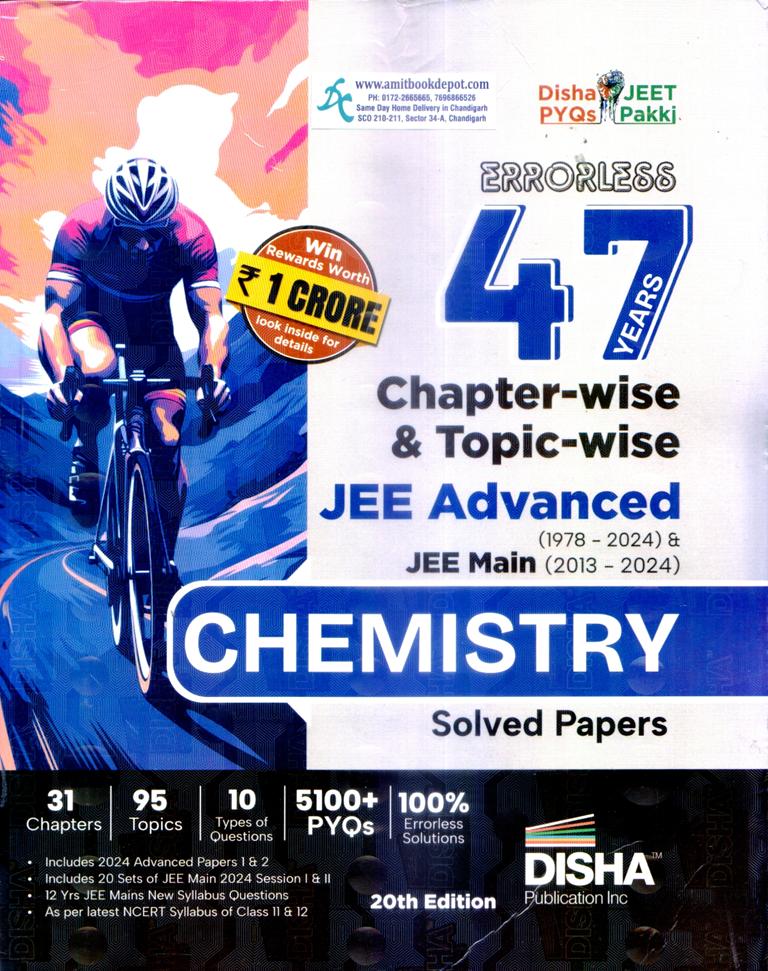
Break down the syllabus into smaller sections, create a study timetable, focus on understanding fundamental concepts, and regularly revise. Practice previous years' question papers to identify important topics and improve time management.
Topics like Chemical Bonding, Atomic Structure, Thermodynamics, Equilibrium, and Organic Chemistry (Hydrocarbons and Nomenclature) are frequently asked and crucial for scoring high.
Extremely important. They help you understand the exam pattern, frequently asked questions, and important topics. Practice these papers under timed conditions.
Use visual aids, diagrams, and simplified explanations. Relate concepts to real-world applications and solve related numerical problems to reinforce understanding.
Practice a large number of problems daily, learn shortcuts and tricks, and revise formulas regularly. Time yourself while solving mock tests.
Regular revision of formulas, key concepts, and reaction mechanisms; solving mock tests; revisiting weak areas; and maintaining concise notes for quick revision
Very important. They form the backbone of many questions. Practice balancing equations and solving stoichiometry problems thoroughly.
Practice full-length mock tests regularly, analyze your mistakes, work on time management, and revise important topics based on your performance.
Start with basic concepts like Some Basic Concepts of Chemistry, then move to Atomic Structure, followed by Chemical Bonding, Thermodynamics, and Organic Chemistry. Prioritize chapters based on their weightage and your comfort level.
Study periodic trends like atomic size, ionization energy, and electronegativity systematically. Use diagrams and tables for quick reference and practice related questions.
No Description Added
Break down the syllabus into smaller sections, create a study timetable, focus on understanding fundamental concepts, and regularly revise. Practice previous years' question papers to identify important topics and improve time management.
Topics like Chemical Bonding, Atomic Structure, Thermodynamics, Equilibrium, and Organic Chemistry (Hydrocarbons and Nomenclature) are frequently asked and crucial for scoring high.
Extremely important. They help you understand the exam pattern, frequently asked questions, and important topics. Practice these papers under timed conditions.
Use visual aids, diagrams, and simplified explanations. Relate concepts to real-world applications and solve related numerical problems to reinforce understanding.
Practice a large number of problems daily, learn shortcuts and tricks, and revise formulas regularly. Time yourself while solving mock tests.
Regular revision of formulas, key concepts, and reaction mechanisms; solving mock tests; revisiting weak areas; and maintaining concise notes for quick revision
Very important. They form the backbone of many questions. Practice balancing equations and solving stoichiometry problems thoroughly.
Practice full-length mock tests regularly, analyze your mistakes, work on time management, and revise important topics based on your performance.
Start with basic concepts like Some Basic Concepts of Chemistry, then move to Atomic Structure, followed by Chemical Bonding, Thermodynamics, and Organic Chemistry. Prioritize chapters based on their weightage and your comfort level.
Study periodic trends like atomic size, ionization energy, and electronegativity systematically. Use diagrams and tables for quick reference and practice related questions.