-
Mon-Fri: 10AM to 8PM 01722665665
-
My Account
-
-
0
Total :
₹ 0.00

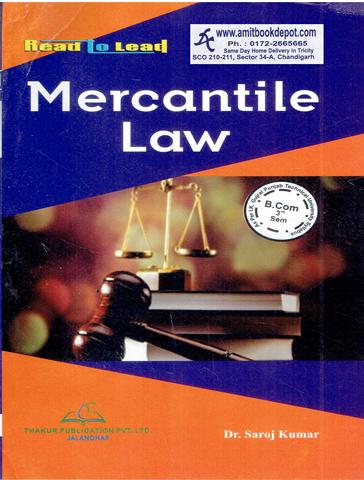
Yes, this textbook by Dr. Saroj Kumar is meticulously crafted to cover 100% of the prescribed syllabus for PTU's BCom 3rd semester, subject code BCOM 302-18.
While the book covers the Consumer Protection Act, 1986, for the most current amendments (like the 2019 Act), we recommend students cross-check with the latest university circulars or supplement with updated resources, as publication cycles may have a slight lag.
Absolutely. A key feature of this book is its student-friendly language. Complex legal jargon is broken down into simple, easy-to-understand explanations, making it ideal for commerce students new to legal studies.
Yes, Unit IV provides a dedicated and detailed analysis of the Negotiable Instruments Act, including clear definitions, characteristics, and the rights and privileges of a Holder in Due Course, making it easy to grasp.
The syllabus mentions E-Contracts under Unit I. You will find coverage of this modern concept within the chapter on Kinds of Contracts, explaining its relevance in the digital age.
While specifically tailored for PTU, the core concepts of Mercantile Law are universal in India. Students from other universities can use it as a supplementary guide, but should verify topic alignment with their specific syllabus.
Unit II contains dedicated chapters on the Law of Indemnity and the Law of Guarantee, which clearly define each concept, outline their essential features, and provide a distinct comparison to highlight the differences.
Yes, the book covers the dishonor of cheques and the associated penalties as per the relevant sections of the Negotiable Instruments Act, 1881.
Yes, Unit III has a specific section on "Conditions and Warranties (Sec 12-17)" that clearly explains the legal distinctions and consequences of each under the Sale of Goods Act, 1930.
This book covers the standard PTU syllabus comprehensively. For minor college-specific variations, it will serve as an excellent primary resource, but you may need to consult your professor for any additional, highly specific topics.
No Description Added
Yes, this textbook by Dr. Saroj Kumar is meticulously crafted to cover 100% of the prescribed syllabus for PTU's BCom 3rd semester, subject code BCOM 302-18.
While the book covers the Consumer Protection Act, 1986, for the most current amendments (like the 2019 Act), we recommend students cross-check with the latest university circulars or supplement with updated resources, as publication cycles may have a slight lag.
Absolutely. A key feature of this book is its student-friendly language. Complex legal jargon is broken down into simple, easy-to-understand explanations, making it ideal for commerce students new to legal studies.
Yes, Unit IV provides a dedicated and detailed analysis of the Negotiable Instruments Act, including clear definitions, characteristics, and the rights and privileges of a Holder in Due Course, making it easy to grasp.
The syllabus mentions E-Contracts under Unit I. You will find coverage of this modern concept within the chapter on Kinds of Contracts, explaining its relevance in the digital age.
While specifically tailored for PTU, the core concepts of Mercantile Law are universal in India. Students from other universities can use it as a supplementary guide, but should verify topic alignment with their specific syllabus.
Unit II contains dedicated chapters on the Law of Indemnity and the Law of Guarantee, which clearly define each concept, outline their essential features, and provide a distinct comparison to highlight the differences.
Yes, the book covers the dishonor of cheques and the associated penalties as per the relevant sections of the Negotiable Instruments Act, 1881.
Yes, Unit III has a specific section on "Conditions and Warranties (Sec 12-17)" that clearly explains the legal distinctions and consequences of each under the Sale of Goods Act, 1930.
This book covers the standard PTU syllabus comprehensively. For minor college-specific variations, it will serve as an excellent primary resource, but you may need to consult your professor for any additional, highly specific topics.