-
Mon-Fri: 10AM to 8PM 01722665665
-
My Account
-
-
0
Total :
₹ 0.00

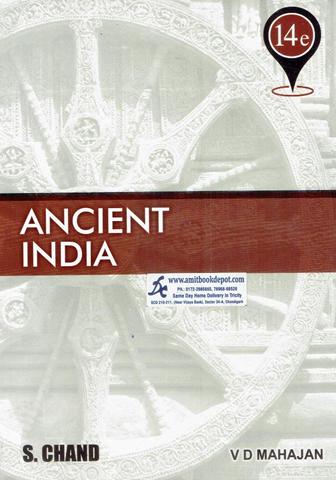


The book covers archaeological findings, numismatics, inscriptions, and literary texts including Vedic literature, Buddhist Jatakas, and foreign accounts.
He highlights grid-pattern streets, advanced drainage systems, granaries, and standardized brick sizes, indicating a highly centralized and organized urban authority.
Rigvedic society was pastoral, tribal, and egalitarian, whereas Later Vedic civilisation became agricultural, with settled kingdoms, hereditary kingship, and increased social stratification.
Strategic location near iron deposits, fertile Gangetic plains, access to rivers for trade, and ambitious rulers like Bimbisara and Ajatashatru are key factors.
It states the invasion had limited direct political impact but opened four land routes, promoting trade and cultural exchange between India and the Greco-Roman world.
The Pallavas of Kanchi, known for rock-cut temples, and the Chalukyas of Badami, famous for their rivalry with both Pallavas and northern rulers.
It was a prolonged conflict among the Palas, Pratiharas, and Rashtrakutas for control of Kannauj, weakening all three and leaving North India politically fragmented.
Jainism emphasizes extreme asceticism, non-violence (ahimsa), and soul purification through penance, while Buddhism focuses on the Middle Path and the Eightfold Path to nirvana.
As masterpieces of Buddhist, Hindu, and Jain rock-cut architecture, featuring chaitya halls, viharas, and sculptures that depict Jataka tales and divine figures.
The text notes increased restrictions, earlier marriage ages, and loss of educational rights compared to Vedic times, though royal women retained some political influence.
No Description Added
The book covers archaeological findings, numismatics, inscriptions, and literary texts including Vedic literature, Buddhist Jatakas, and foreign accounts.
He highlights grid-pattern streets, advanced drainage systems, granaries, and standardized brick sizes, indicating a highly centralized and organized urban authority.
Rigvedic society was pastoral, tribal, and egalitarian, whereas Later Vedic civilisation became agricultural, with settled kingdoms, hereditary kingship, and increased social stratification.
Strategic location near iron deposits, fertile Gangetic plains, access to rivers for trade, and ambitious rulers like Bimbisara and Ajatashatru are key factors.
It states the invasion had limited direct political impact but opened four land routes, promoting trade and cultural exchange between India and the Greco-Roman world.
The Pallavas of Kanchi, known for rock-cut temples, and the Chalukyas of Badami, famous for their rivalry with both Pallavas and northern rulers.
It was a prolonged conflict among the Palas, Pratiharas, and Rashtrakutas for control of Kannauj, weakening all three and leaving North India politically fragmented.
Jainism emphasizes extreme asceticism, non-violence (ahimsa), and soul purification through penance, while Buddhism focuses on the Middle Path and the Eightfold Path to nirvana.
As masterpieces of Buddhist, Hindu, and Jain rock-cut architecture, featuring chaitya halls, viharas, and sculptures that depict Jataka tales and divine figures.
The text notes increased restrictions, earlier marriage ages, and loss of educational rights compared to Vedic times, though royal women retained some political influence.