-
Mon-Fri: 10AM to 8PM 01722665665
-
My Account
-
-
0
Total :
₹ 0.00

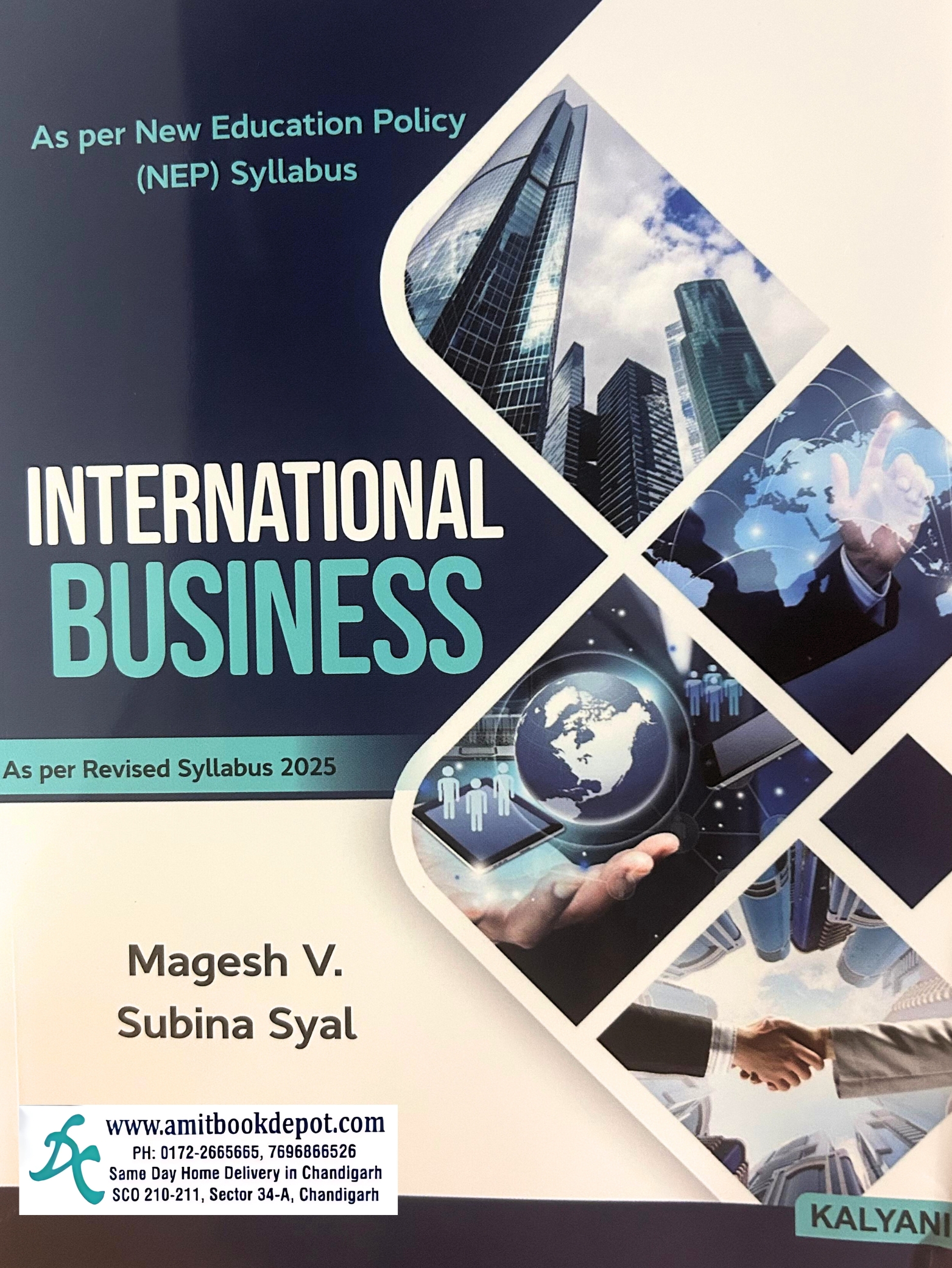
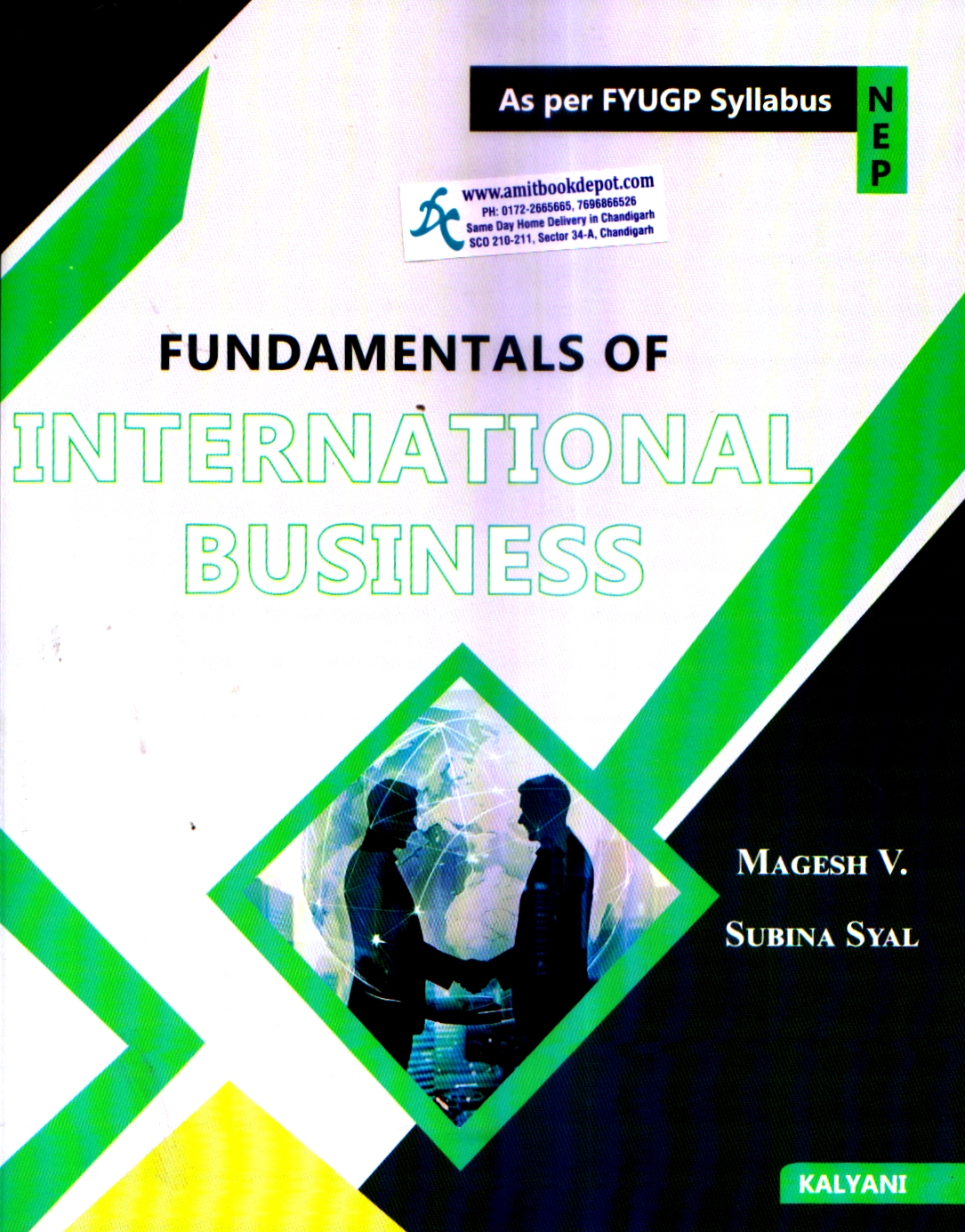
Yes, this book by Dr Subina Syal , Dr. Magesh v. is meticulously crafted to cover every topic outlined in the latest International Business syllabus for Panjab University's BCOM and BBA first semester.
Yes, Unit I of the book contains a dedicated chapter (Chapter 7) titled "International Trade and Economic Growth: Immiserizing Growth," which covers this concept in detail.
Absolutely. Unit II, Chapter 13, "Economic Groupings in International Trade," provides detailed information on all major groupings, including EU, NAFTA, BRICS, SAFTA, BIMSTEC, and ASEAN, as per the syllabus.
Yes, the Leontief Paradox is explained within the chapter on modern theories of international trade (Chapter 6) in Unit I.
Yes, Chapter 10 on "The World Trade Organization (WTO)" includes detailed explanations of its organs, including GATS, TRIPS, the Dispute Settlement Body (DSB), and the Trade Policy Review Mechanism (TPRM).
Yes, the book concludes Unit II with a dedicated case study to help students apply theoretical concepts to practical scenarios.
This book is uniquely tailored for Panjab University Chandigarh students. It avoids irrelevant topics and focuses precisely on the syllabus, making it more efficient for exam preparation than generic textbooks.
Yes, Chapter 8, "Free Trade vs. Protection: Barriers to Trade," provides a comprehensive explanation of both tariff and non-tariff barriers.
Yes, with its clear language, structured chapters, and syllabus-specific focus, the book is an excellent resource for self-study alongside classroom learning.
Yes, Chapter 2 is entirely dedicated to the International Business Environment (IBE) and breaks down all its components: Economic, Demographic, Political, Legal, Technological, Natural, and Socio-cultural.
No Description Added
Yes, this book by Dr Subina Syal , Dr. Magesh v. is meticulously crafted to cover every topic outlined in the latest International Business syllabus for Panjab University's BCOM and BBA first semester.
Yes, Unit I of the book contains a dedicated chapter (Chapter 7) titled "International Trade and Economic Growth: Immiserizing Growth," which covers this concept in detail.
Absolutely. Unit II, Chapter 13, "Economic Groupings in International Trade," provides detailed information on all major groupings, including EU, NAFTA, BRICS, SAFTA, BIMSTEC, and ASEAN, as per the syllabus.
Yes, the Leontief Paradox is explained within the chapter on modern theories of international trade (Chapter 6) in Unit I.
Yes, Chapter 10 on "The World Trade Organization (WTO)" includes detailed explanations of its organs, including GATS, TRIPS, the Dispute Settlement Body (DSB), and the Trade Policy Review Mechanism (TPRM).
Yes, the book concludes Unit II with a dedicated case study to help students apply theoretical concepts to practical scenarios.
This book is uniquely tailored for Panjab University Chandigarh students. It avoids irrelevant topics and focuses precisely on the syllabus, making it more efficient for exam preparation than generic textbooks.
Yes, Chapter 8, "Free Trade vs. Protection: Barriers to Trade," provides a comprehensive explanation of both tariff and non-tariff barriers.
Yes, with its clear language, structured chapters, and syllabus-specific focus, the book is an excellent resource for self-study alongside classroom learning.
Yes, Chapter 2 is entirely dedicated to the International Business Environment (IBE) and breaks down all its components: Economic, Demographic, Political, Legal, Technological, Natural, and Socio-cultural.