-
Mon-Fri: 10AM to 8PM 01722665665
-
My Account
-
-
0
Total :
₹ 0.00

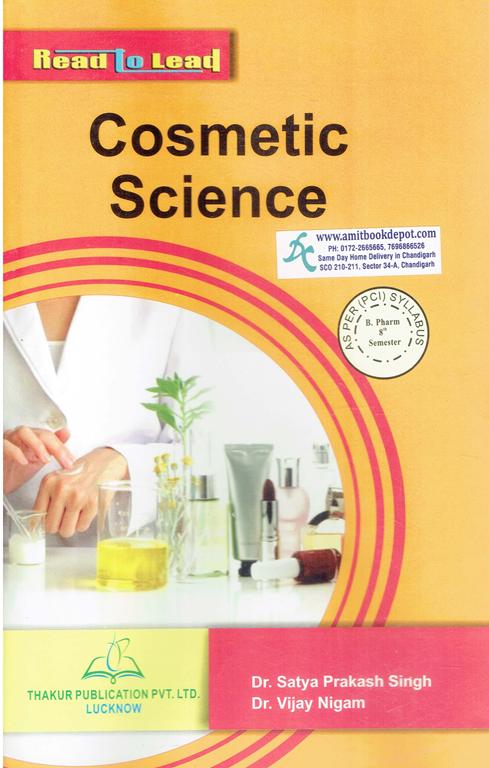
Thakur Cosmetic Science for B. Pharm 8th Semester PTU by Dr. Satya Prakash Singh and Dr. Vijay Nigam is the prescribed book covering the complete PTU syllabus. This comprehensive guide delves into cosmetic regulations, cosmeceuticals, and formulation principles for skin care, hair care, and oral care products. It includes detailed chapters on herbal cosmetics, sunscreens, analytical methods (BIS specifications), cosmetic evaluation techniques, and common cosmetic problems. Essential for pharmacy students, it provides the scientific foundation for understanding the formulation, evaluation, and application of modern cosmetic and personal care products.
Yes, this textbook is meticulously structured to cover the entire prescribed syllabus for the Cosmetic Science subject (BP809ET) for B. Pharm 8th Semester at PTU, as outlined by the university.
Absolutely. Chapter 1 provides a clear and detailed definition of cosmetics as per Indian and EU regulations, which is crucial for understanding the regulatory framework.
Chapter 2 is entirely dedicated to cosmetic excipients, offering detailed classification and application-focused explanations for surfactants, rheology modifiers, humectants, emollients, and preservatives.
Yes, Chapter 7 clearly distinguishes between antiperspirants and deodorants, detailing their mechanism of action, active ingredients, formulation types (creams, sticks, sprays), and evaluation methods.
Yes. Chapter 8 includes a dedicated section on the chemistry and formulation of para-phenylenediamine (PPD)-based hair dyes, which are permanent or oxidation dyes, along with formulations for temporary and semi-permanent dyes.
Yes, Unit 12 on Analytical Cosmetics provides the BIS specifications and analytical methods for key products like shampoo, skin cream, and toothpaste, which is vital for quality control.
Yes, Module 5 (Chapters 15 & 16) is dedicated to cosmetic problems, explaining the causes and cosmetic treatments for issues like dry/oily skin, acne, wrinkles, dandruff, and hair fall.
Yes, Unit 10 on Sun Protection covers the classification of sunscreens and provides a detailed explanation of Sun Protection Factor (SPF).
Yes, the book connects pharmaceutical science with cosmetics by covering topics like cosmetics as quasi and OTC drugs, the structure and function of skin and hair, and the formulation science behind products.
While tailored for PTU, the comprehensive coverage of cosmetic science fundamentals, formulation principles, regulations, and evaluation makes it a valuable reference for B. Pharm students of other universities and entry-level professionals in the cosmetic industry.
Yes, this textbook is meticulously structured to cover the entire prescribed syllabus for the Cosmetic Science subject (BP809ET) for B. Pharm 8th Semester at PTU, as outlined by the university.
Absolutely. Chapter 1 provides a clear and detailed definition of cosmetics as per Indian and EU regulations, which is crucial for understanding the regulatory framework.
Chapter 2 is entirely dedicated to cosmetic excipients, offering detailed classification and application-focused explanations for surfactants, rheology modifiers, humectants, emollients, and preservatives.
Yes, Chapter 7 clearly distinguishes between antiperspirants and deodorants, detailing their mechanism of action, active ingredients, formulation types (creams, sticks, sprays), and evaluation methods.
Yes. Chapter 8 includes a dedicated section on the chemistry and formulation of para-phenylenediamine (PPD)-based hair dyes, which are permanent or oxidation dyes, along with formulations for temporary and semi-permanent dyes.
Yes, Unit 12 on Analytical Cosmetics provides the BIS specifications and analytical methods for key products like shampoo, skin cream, and toothpaste, which is vital for quality control.
Yes, Module 5 (Chapters 15 & 16) is dedicated to cosmetic problems, explaining the causes and cosmetic treatments for issues like dry/oily skin, acne, wrinkles, dandruff, and hair fall.
Yes, Unit 10 on Sun Protection covers the classification of sunscreens and provides a detailed explanation of Sun Protection Factor (SPF).
Yes, the book connects pharmaceutical science with cosmetics by covering topics like cosmetics as quasi and OTC drugs, the structure and function of skin and hair, and the formulation science behind products.
While tailored for PTU, the comprehensive coverage of cosmetic science fundamentals, formulation principles, regulations, and evaluation makes it a valuable reference for B. Pharm students of other universities and entry-level professionals in the cosmetic industry.