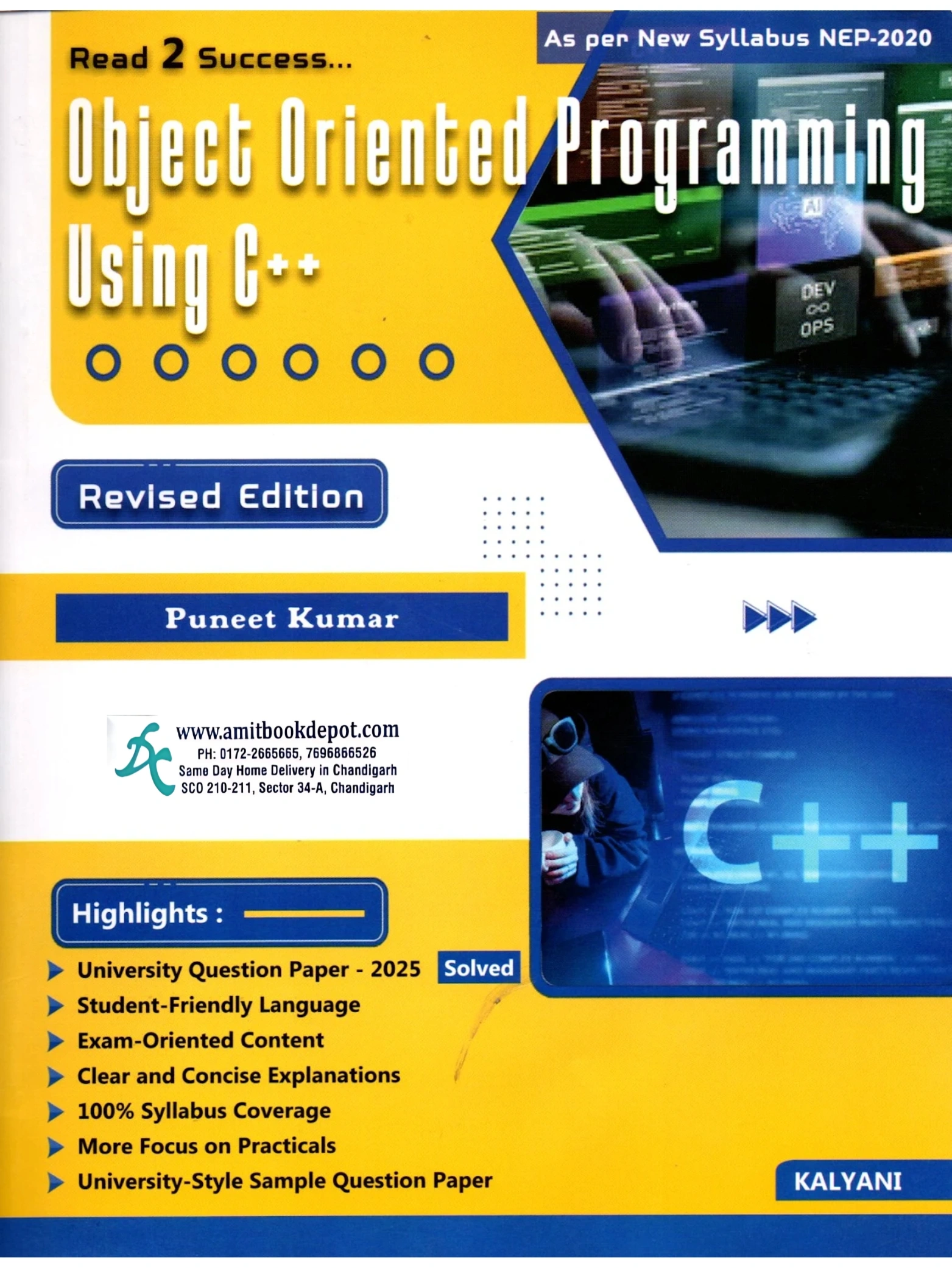
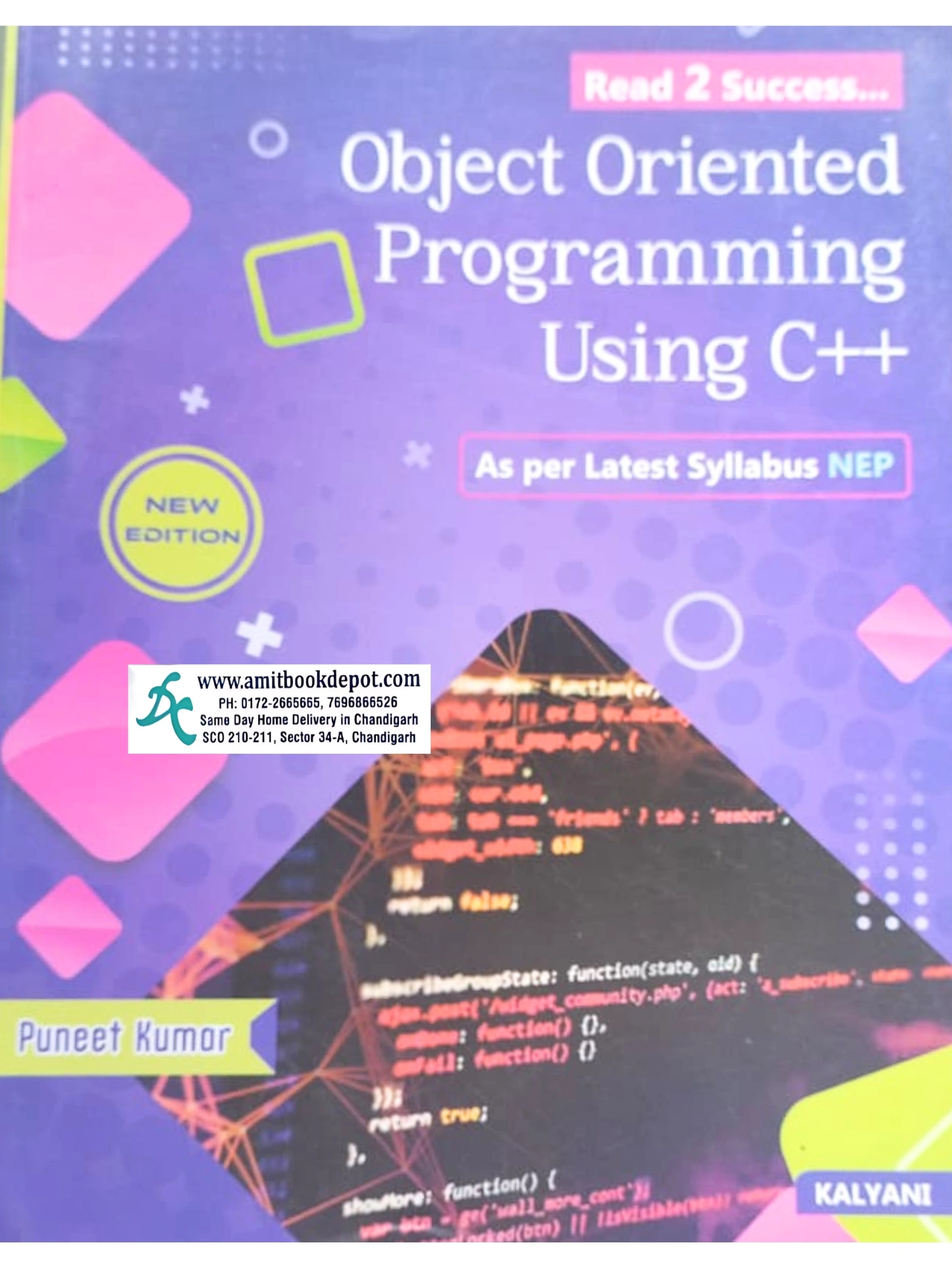
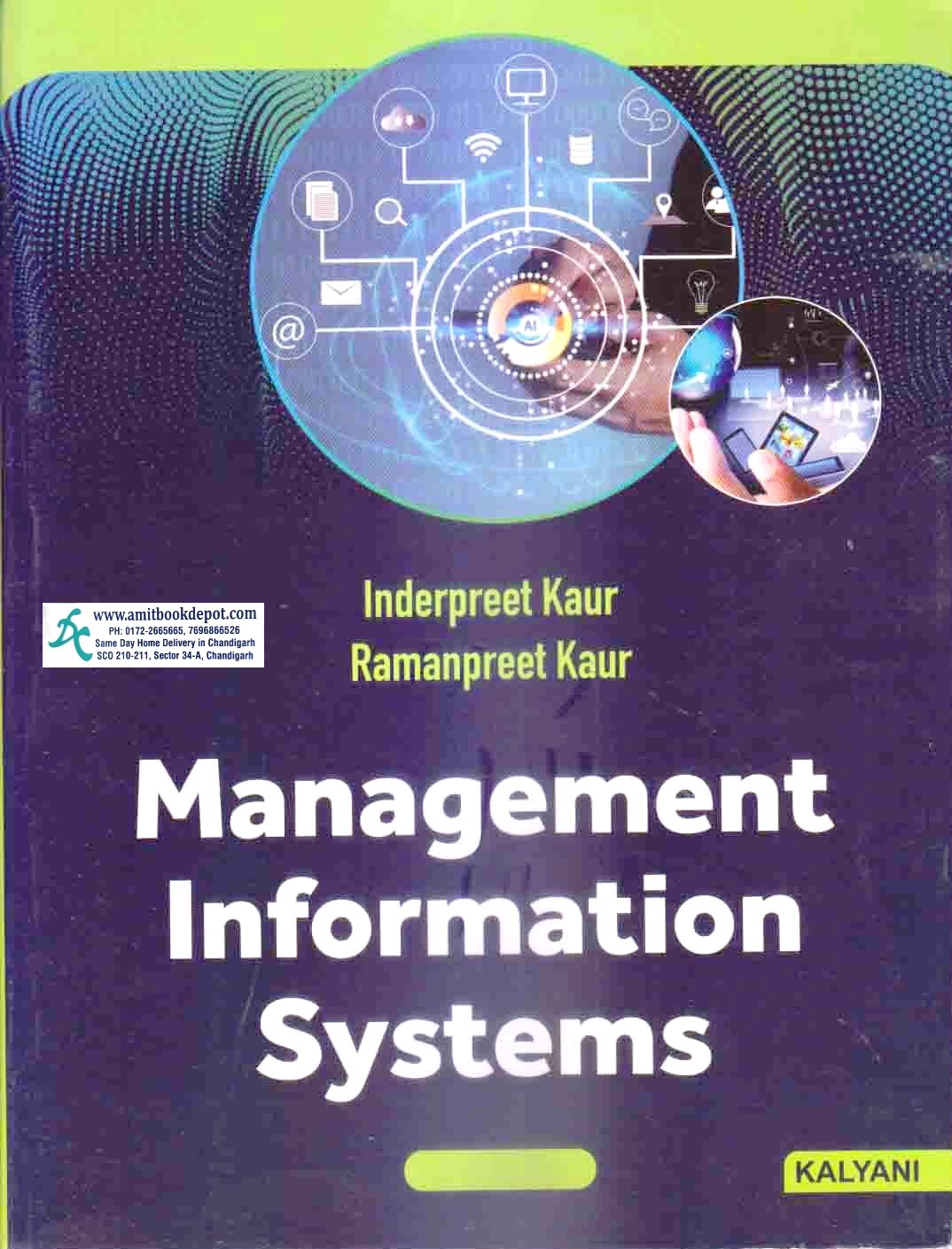
Yes, this book is meticulously crafted to align 100% with the latest Panjab University (PU) Chandigarh BCA 2nd Semester syllabus under the New Education Policy (NEP) for Paper Code BCA-DSC-2(Min)-203.
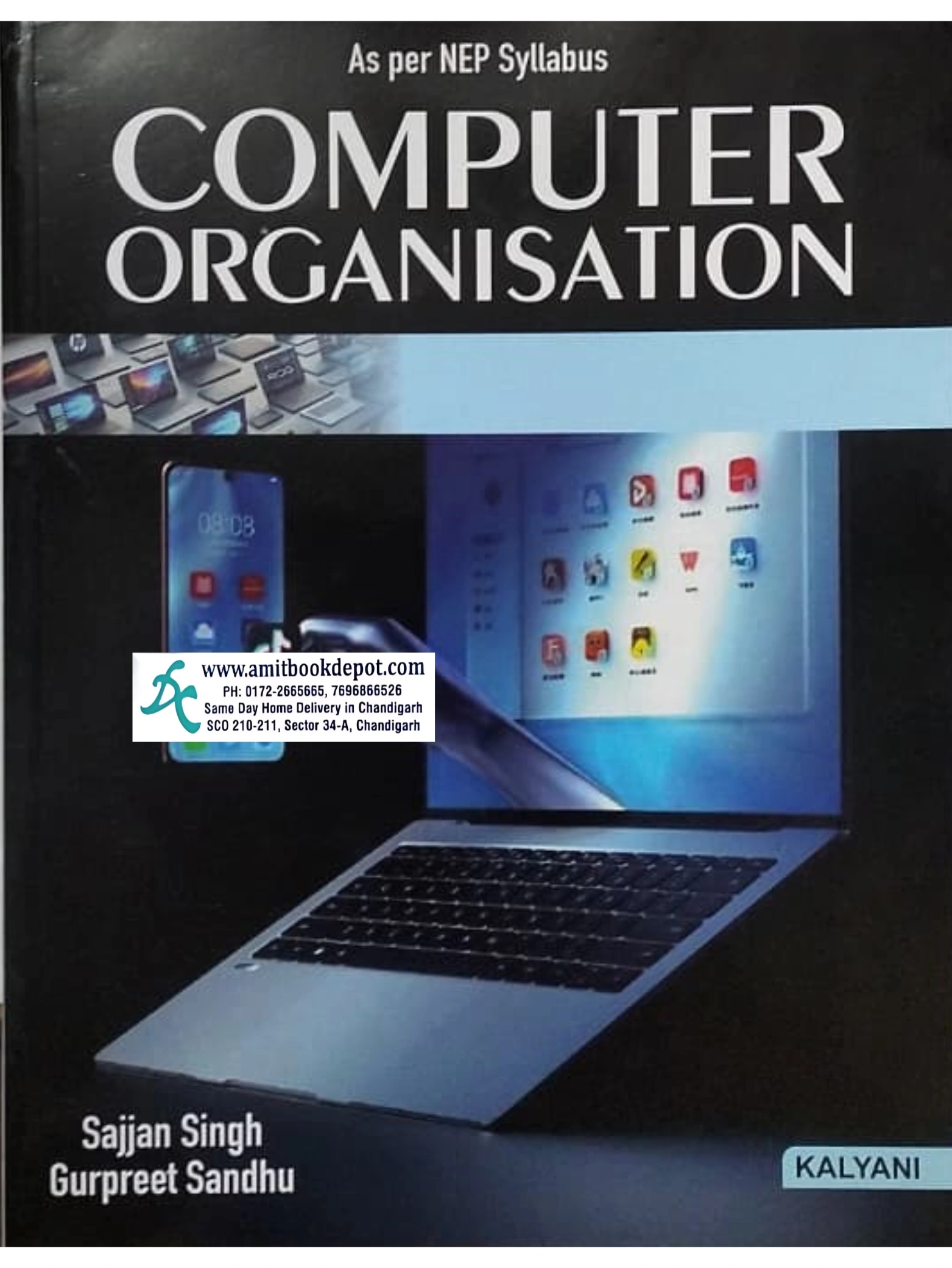
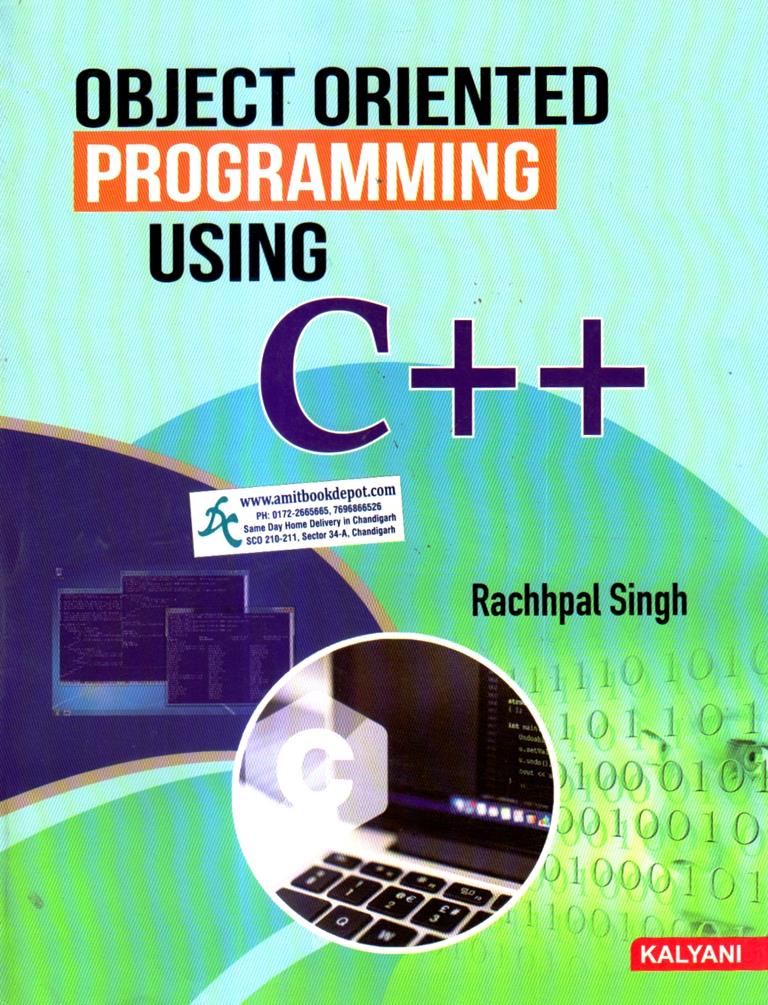
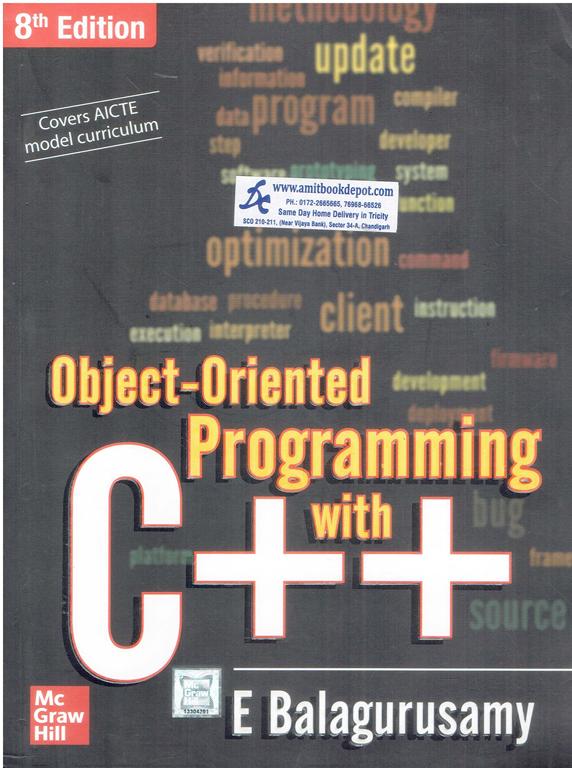
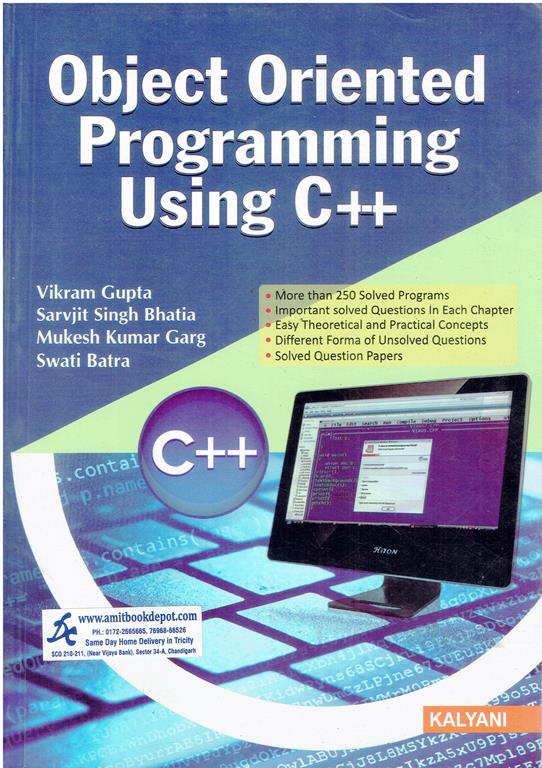
It covers the paper titled "Object-Oriented Programming Using C++" with the code BCA-DSC-2(Min)-203 for the BCA program's second semester.
Absolutely. The book is designed to help students excel in both areas, covering all theoretical concepts required for the external (45 marks) and internal (5 marks) exams, as well as practical programming concepts for the lab component (50 marks).
The content is systematically divided into four units, exactly matching the university syllabus: Unit I - OOP Principles & Classes/Objects, Unit II - Advanced Functions, Constructors, & Operator Overloading, Unit III - Inheritance & Polymorphism, Unit IV - Exception Handling & File Processing.
Yes, Friend Functions, Inline Functions, Static Members, Function Overloading, and Operator Overloading for both unary and binary operators are covered in detail in Unit II.
Yes, Unit III provides comprehensive coverage of all Types of Inheritance: Single, Multilevel, Multiple, Hierarchical, and Hybrid, including concepts like visibility modes and resolving ambiguity.
Yes, Unit IV thoroughly covers File Processing, including opening/closing files, binary file operations, and random file processing using both structures and classes.
Yes, the book covers Polymorphism in depth, explaining the difference between static and dynamic polymorphism, and provides a clear demonstration of Virtual Functions and Pure Virtual Functions.
Definitely. The content is tailored to help students understand OOP concepts, use inheritance and polymorphism, develop reusable C++ components, and apply a modular approach to software development, directly addressing the stated learning outcomes.
Yes, along with a detailed chapter on Constructors (Default, Parameterized, Copy), the book also covers Destructors, explaining their definition and practical use in C++ programs.
No Description Added
Yes, this book is meticulously crafted to align 100% with the latest Panjab University (PU) Chandigarh BCA 2nd Semester syllabus under the New Education Policy (NEP) for Paper Code BCA-DSC-2(Min)-203.
It covers the paper titled "Object-Oriented Programming Using C++" with the code BCA-DSC-2(Min)-203 for the BCA program's second semester.
Absolutely. The book is designed to help students excel in both areas, covering all theoretical concepts required for the external (45 marks) and internal (5 marks) exams, as well as practical programming concepts for the lab component (50 marks).
The content is systematically divided into four units, exactly matching the university syllabus: Unit I - OOP Principles & Classes/Objects, Unit II - Advanced Functions, Constructors, & Operator Overloading, Unit III - Inheritance & Polymorphism, Unit IV - Exception Handling & File Processing.
Yes, Friend Functions, Inline Functions, Static Members, Function Overloading, and Operator Overloading for both unary and binary operators are covered in detail in Unit II.
Yes, Unit III provides comprehensive coverage of all Types of Inheritance: Single, Multilevel, Multiple, Hierarchical, and Hybrid, including concepts like visibility modes and resolving ambiguity.
Yes, Unit IV thoroughly covers File Processing, including opening/closing files, binary file operations, and random file processing using both structures and classes.
Yes, the book covers Polymorphism in depth, explaining the difference between static and dynamic polymorphism, and provides a clear demonstration of Virtual Functions and Pure Virtual Functions.
Definitely. The content is tailored to help students understand OOP concepts, use inheritance and polymorphism, develop reusable C++ components, and apply a modular approach to software development, directly addressing the stated learning outcomes.
Yes, along with a detailed chapter on Constructors (Default, Parameterized, Copy), the book also covers Destructors, explaining their definition and practical use in C++ programs.