-
Mon-Fri: 10AM to 8PM 01722665665
-
My Account
-
-
0
Total :
₹ 0.00

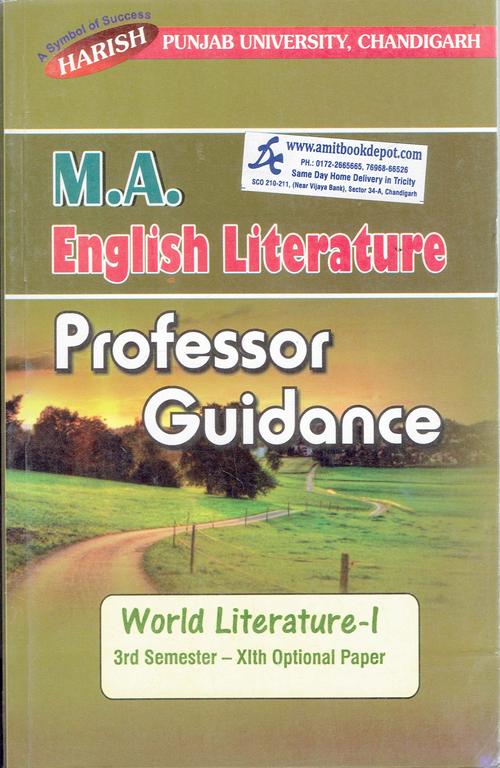

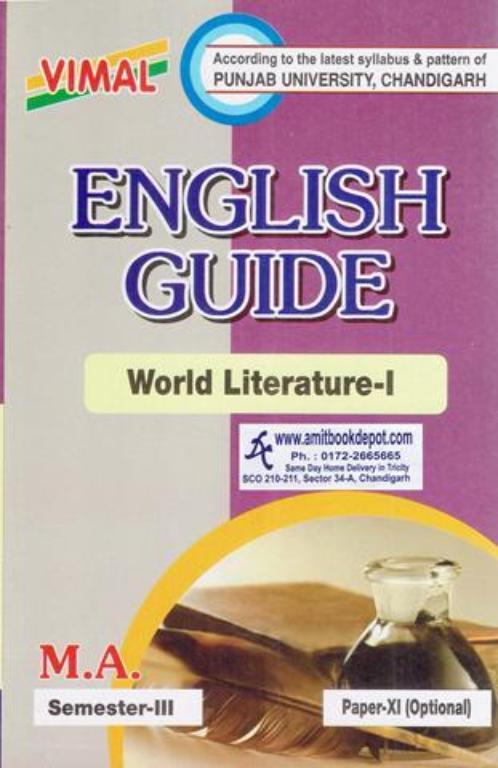
This is a critical guide and study aid. It provides analysis, summaries, and explanations of the texts prescribed in the syllabus. You will need the original texts or their translations (as listed in the syllabus) for the primary reading.
Yes, Unit I is dedicated to theory and includes detailed commentary and explanations on both Goethe's and Kundera's essays, breaking down their key arguments about the concept of World Literature.
The guide aligns with the syllabus-prescribed translation by Somadeva Vasudeva (Clay Sanskrit Library). The analysis and notes are based on this version to ensure syllabus accuracy.
Yes, the guide provides specific analysis for each of the selected tales: "The Tale of Ox and Donkey," "The Tale of the Husband and the Parrot," and "The Tale of Hunchback" from Arabian Nights, and the three specified stories from Chinese Fables and Folk Stories.
Unit IV provides individual analysis of the selected hymns and cantos, and often includes comparative insights highlighting contrasts in theme, cosmology, and cultural context, aiding in the development of a comparatist perspective as encouraged by the syllabus.
The guide focuses on providing a comprehensive overview, major themes, character analyses, and critical perspectives relevant to the novel as a whole, as required for a holistic understanding at the MA level.
While it is tailor-made for Panjab University, students of MA English from other universities with similar syllabi covering these core World Literature texts will find the critical analyses and commentaries immensely beneficial.
The introduction and theoretical unit directly address this concept. The selection and analysis of texts from Sanskrit, Arabic, Chinese, Italian, and Spanish traditions inherently demonstrate this expansiveness, which is highlighted throughout the book.
It is written in clear, academic yet accessible English, designed specifically for postgraduate students to grasp complex literary concepts easily.
Yes, Unit III on Tales/Fables often draws parallels and contrasts between the narrative styles, moral lessons, and cultural values reflected in the Arabian Nights and the Chinese Fables, fostering a comparative approach.
This is a critical guide and study aid. It provides analysis, summaries, and explanations of the texts prescribed in the syllabus. You will need the original texts or their translations (as listed in the syllabus) for the primary reading.
Yes, Unit I is dedicated to theory and includes detailed commentary and explanations on both Goethe's and Kundera's essays, breaking down their key arguments about the concept of World Literature.
The guide aligns with the syllabus-prescribed translation by Somadeva Vasudeva (Clay Sanskrit Library). The analysis and notes are based on this version to ensure syllabus accuracy.
Yes, the guide provides specific analysis for each of the selected tales: "The Tale of Ox and Donkey," "The Tale of the Husband and the Parrot," and "The Tale of Hunchback" from Arabian Nights, and the three specified stories from Chinese Fables and Folk Stories.
Unit IV provides individual analysis of the selected hymns and cantos, and often includes comparative insights highlighting contrasts in theme, cosmology, and cultural context, aiding in the development of a comparatist perspective as encouraged by the syllabus.
The guide focuses on providing a comprehensive overview, major themes, character analyses, and critical perspectives relevant to the novel as a whole, as required for a holistic understanding at the MA level.
While it is tailor-made for Panjab University, students of MA English from other universities with similar syllabi covering these core World Literature texts will find the critical analyses and commentaries immensely beneficial.
The introduction and theoretical unit directly address this concept. The selection and analysis of texts from Sanskrit, Arabic, Chinese, Italian, and Spanish traditions inherently demonstrate this expansiveness, which is highlighted throughout the book.
It is written in clear, academic yet accessible English, designed specifically for postgraduate students to grasp complex literary concepts easily.
Yes, Unit III on Tales/Fables often draws parallels and contrasts between the narrative styles, moral lessons, and cultural values reflected in the Arabian Nights and the Chinese Fables, fostering a comparative approach.