-
Mon-Fri: 10AM to 8PM 01722665665
-
My Account
-
-
0
Total :
₹ 0.00

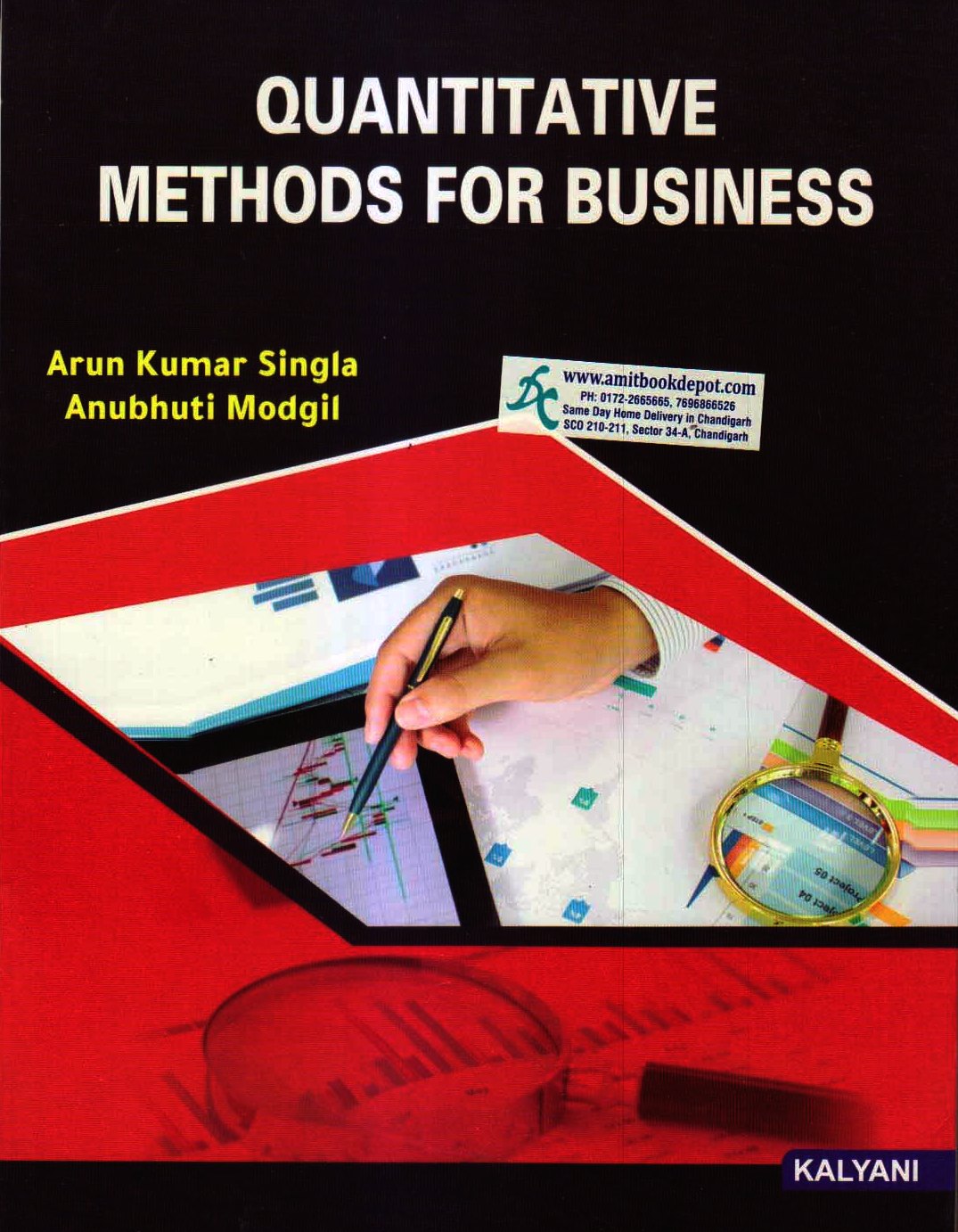




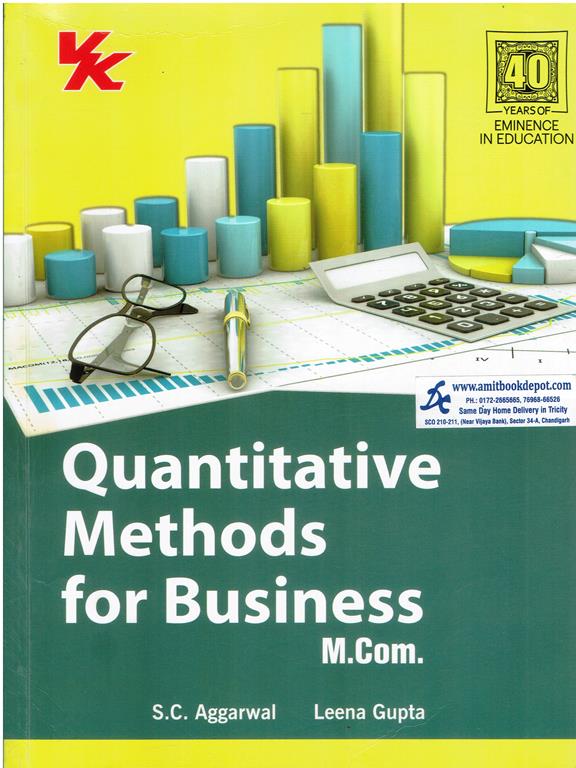
Yes, the book is meticulously crafted to cover 100% of the syllabus for the MC. 102 - Quantitative Methods for Business paper as prescribed by Panjab University, Chandigarh.
Absolutely. The book contains a comprehensive appendix with all necessary Statistical Tables (e.g., Z, t, F), eliminating the need for a separate table book during exams or study.
The book breaks down complex topics into step-by-step procedures with business-oriented examples, focusing on application and the logical flow of hypothesis formulation and testing.
Yes, the SQC chapter is highly relevant, covering control charts for variables and attributes, which are fundamental to operations management and quality assurance in both manufacturing and service industries.
The key differentiator is its precise alignment with the Panjab University syllabus, inclusion of PU-specific question papers, and a focus on business applications as per the course objective.
Yes, there are separate, dedicated chapters for Large Sample Test (z-test) and Small Sample Test (t-test), explaining their respective applications, assumptions, and problem-solving techniques.
While it is specifically tailored for PU MCom students, the core content on business statistics makes it a useful reference for MBA students or professionals in analytics and operations management.
Yes, the book provides a clear explanation of the Central Limit Theorem and its critical role in Sampling and Sampling Distribution, which forms the bedrock of statistical inference.
The book starts with fundamental concepts and builds up gradually. While a basic understanding of math is helpful, the clear explanations and business context make the quantitative methods accessible to commerce students.
Yes, the book provides a detailed and clear explanation of Type I and Type II errors, which is fundamental to understanding the risks associated with hypothesis testing in business decisions.
No Description Added
Yes, the book is meticulously crafted to cover 100% of the syllabus for the MC. 102 - Quantitative Methods for Business paper as prescribed by Panjab University, Chandigarh.
Absolutely. The book contains a comprehensive appendix with all necessary Statistical Tables (e.g., Z, t, F), eliminating the need for a separate table book during exams or study.
The book breaks down complex topics into step-by-step procedures with business-oriented examples, focusing on application and the logical flow of hypothesis formulation and testing.
Yes, the SQC chapter is highly relevant, covering control charts for variables and attributes, which are fundamental to operations management and quality assurance in both manufacturing and service industries.
The key differentiator is its precise alignment with the Panjab University syllabus, inclusion of PU-specific question papers, and a focus on business applications as per the course objective.
Yes, there are separate, dedicated chapters for Large Sample Test (z-test) and Small Sample Test (t-test), explaining their respective applications, assumptions, and problem-solving techniques.
While it is specifically tailored for PU MCom students, the core content on business statistics makes it a useful reference for MBA students or professionals in analytics and operations management.
Yes, the book provides a clear explanation of the Central Limit Theorem and its critical role in Sampling and Sampling Distribution, which forms the bedrock of statistical inference.
The book starts with fundamental concepts and builds up gradually. While a basic understanding of math is helpful, the clear explanations and business context make the quantitative methods accessible to commerce students.
Yes, the book provides a detailed and clear explanation of Type I and Type II errors, which is fundamental to understanding the risks associated with hypothesis testing in business decisions.