-
Mon-Fri: 10AM to 8PM 01722665665
-
My Account
-
-
0
Total :
₹ 0.00

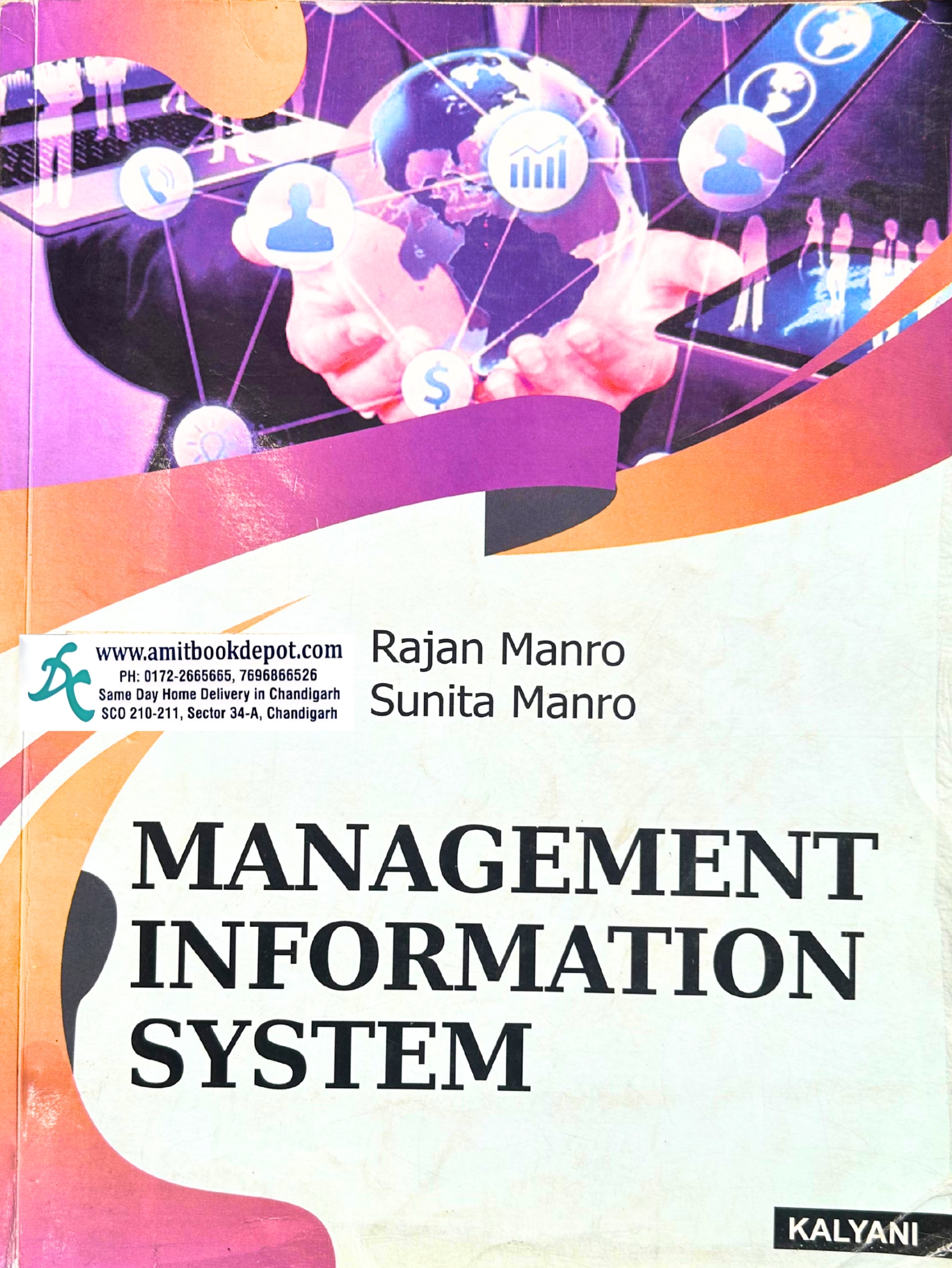
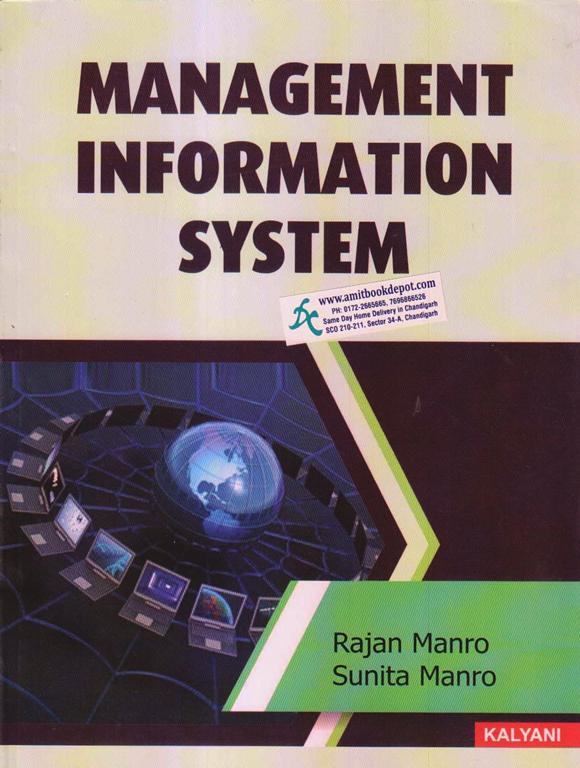




Yes, this book by Rajan Manro and Sunita Manro is meticulously crafted to align 100% with the prescribed syllabus for paper MC.106, Management Information System.
Absolutely. The book contains a dedicated chapter (Chapter 9) that covers Database Design & Enterprise Resource Planning System, including ERP features, modules, and implementation.
Yes, the book includes a "Glossary" at the end, which defines key terms and concepts, making it easier to understand and revise the terminology.
The book covers major approaches including the System Development Life Cycle (SDLC), prototyping, and the user development approach in Chapter 6, "Approaches to System Development."
Yes, Unit-I of the book specifically discusses the relationship and distinctions between MIS and other disciplines like Management Accounting, Computer Science, and Organizational Behavior.
Yes, practical aspects are covered in detail in chapters such as "System Documentation & Implementation" and "Security & Project Management," which discuss real-world challenges and processes.
Yes, Decision Support Systems have a dedicated chapter (Chapter 4), and both DSS and Executive Support Systems are discussed within the classification of information systems in Chapter 5.
The book covers threats to information resources and the security systems used for risk management, as outlined in the syllabus for Unit-IV.
Yes, the book explains the concept of information overload and provides techniques for managing it, such as summarizing, filtering, and message routing.
While the content listing does not specify, academic textbooks of this nature typically include diagrams (e.g., for feedback control systems, MIS structure) to aid visual learning and understanding.
No Description Added
Yes, this book by Rajan Manro and Sunita Manro is meticulously crafted to align 100% with the prescribed syllabus for paper MC.106, Management Information System.
Absolutely. The book contains a dedicated chapter (Chapter 9) that covers Database Design & Enterprise Resource Planning System, including ERP features, modules, and implementation.
Yes, the book includes a "Glossary" at the end, which defines key terms and concepts, making it easier to understand and revise the terminology.
The book covers major approaches including the System Development Life Cycle (SDLC), prototyping, and the user development approach in Chapter 6, "Approaches to System Development."
Yes, Unit-I of the book specifically discusses the relationship and distinctions between MIS and other disciplines like Management Accounting, Computer Science, and Organizational Behavior.
Yes, practical aspects are covered in detail in chapters such as "System Documentation & Implementation" and "Security & Project Management," which discuss real-world challenges and processes.
Yes, Decision Support Systems have a dedicated chapter (Chapter 4), and both DSS and Executive Support Systems are discussed within the classification of information systems in Chapter 5.
The book covers threats to information resources and the security systems used for risk management, as outlined in the syllabus for Unit-IV.
Yes, the book explains the concept of information overload and provides techniques for managing it, such as summarizing, filtering, and message routing.
While the content listing does not specify, academic textbooks of this nature typically include diagrams (e.g., for feedback control systems, MIS structure) to aid visual learning and understanding.