-
Mon-Fri: 10AM to 8PM 01722665665
-
My Account
-
-
0
Total :
₹ 0.00

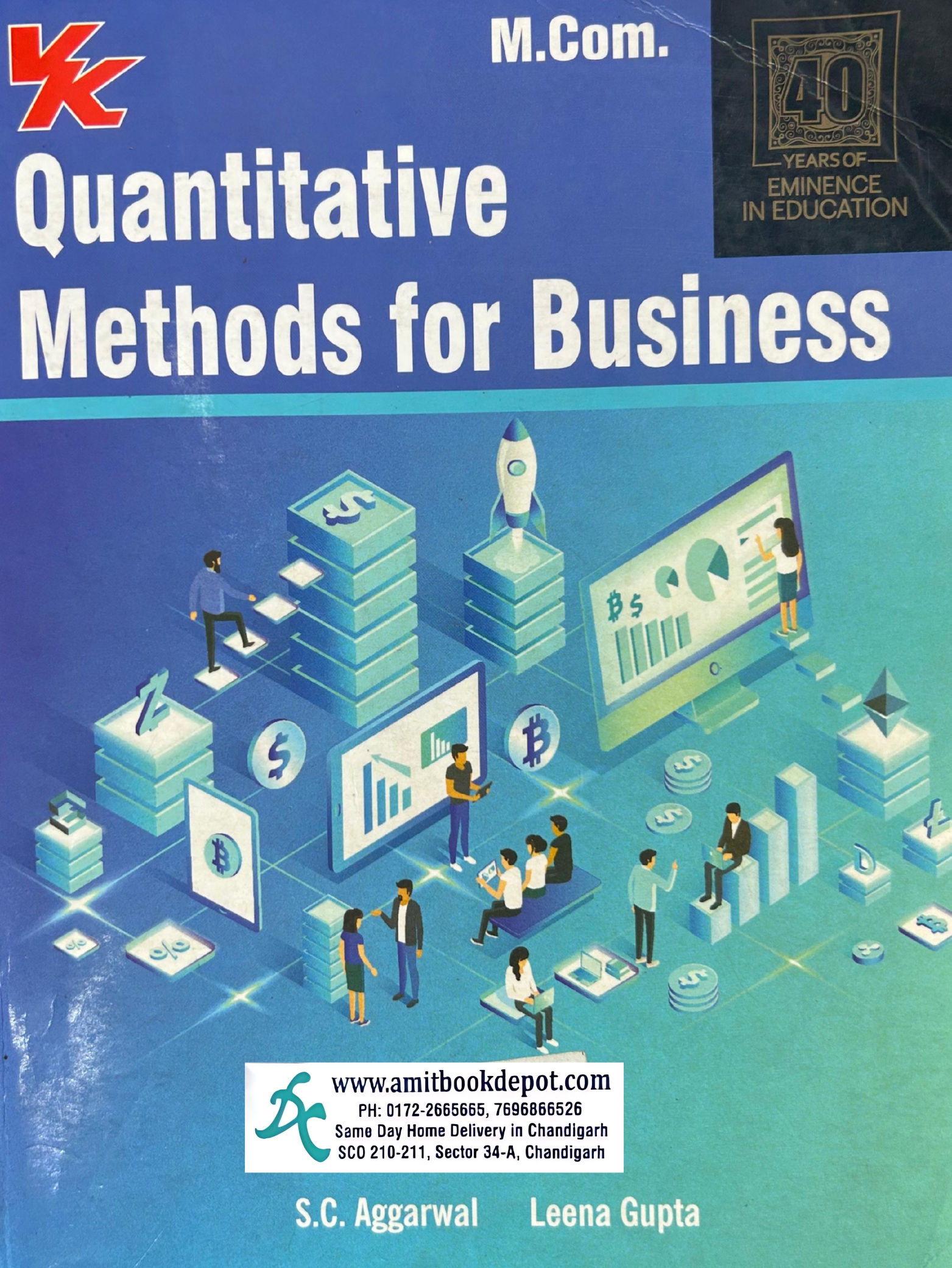
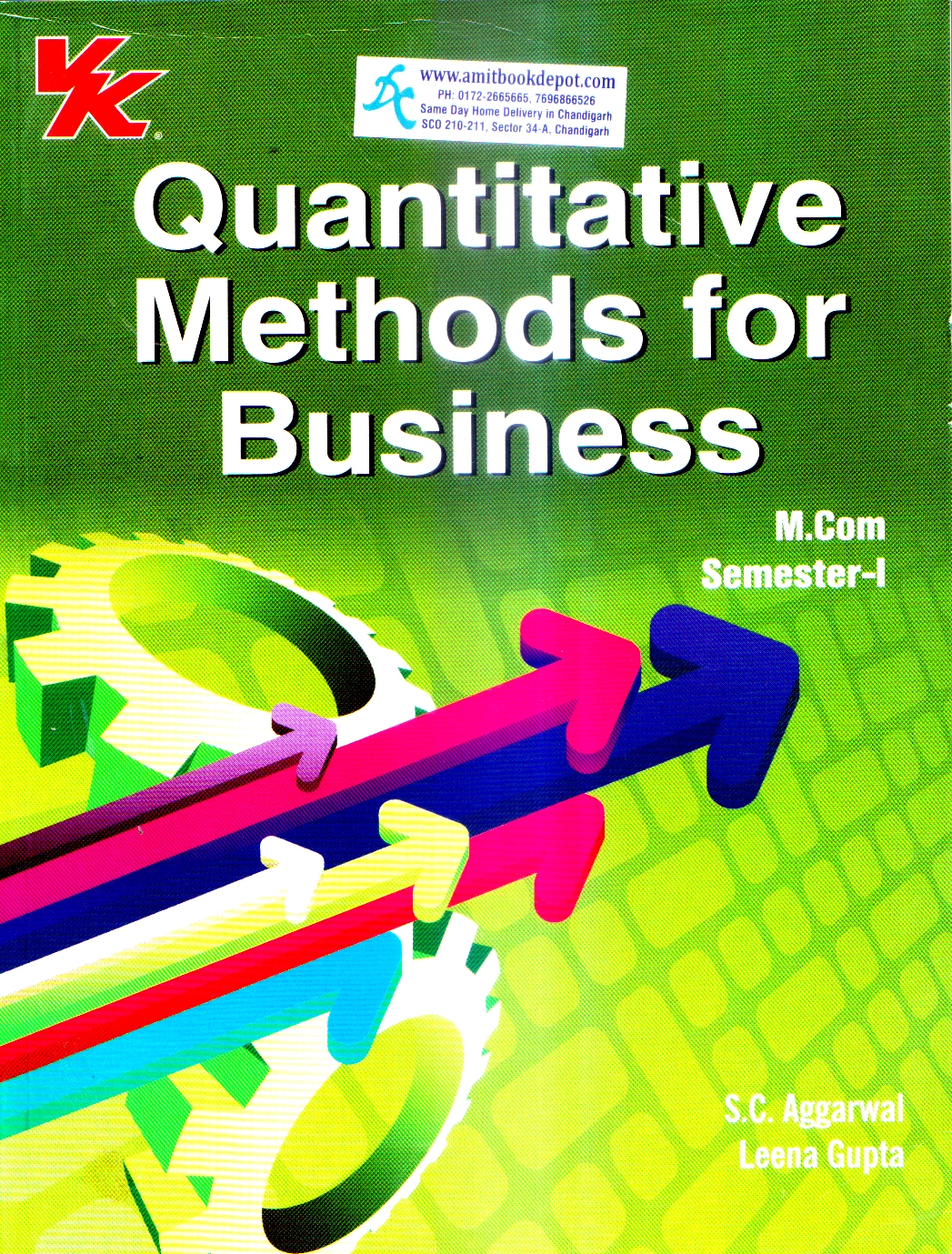




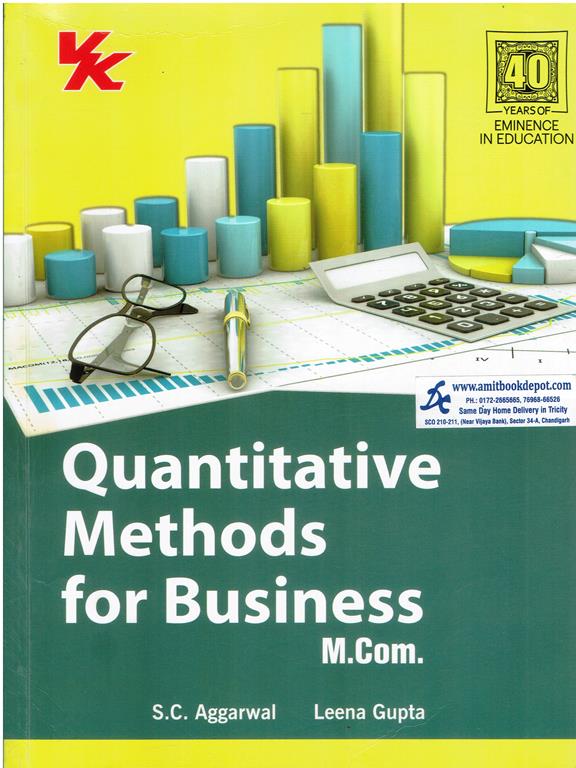
Yes, the book is meticulously crafted to provide 100% coverage of the prescribed syllabus for Paper MC.102, ensuring no topic is missed.
Absolutely. The book contains numerous solved examples that demonstrate the application of statistical techniques to real-world business and economic situations.
The authors have presented foundational topics like Probability Rules, Conditional Probability, and Bayes' Theorem in a structured, step-by-step manner with business examples to build conceptual clarity from the ground up.
Yes, the book dedicates separate sections to clarify the distinctions, assumptions, and appropriate use-cases for both large and small sample tests, helping students choose the correct test for a given problem.
Yes, the book comprehensively covers both One-way and Two-way ANOVA, including their procedures and interpretations, as required by the syllabus.
The SQC chapter is detailed and practical, explaining the construction of Control Charts for variables (X-bar, R chart) and for attributes (p, np, and c charts).
Yes, the book is designed to be student-friendly. It starts with fundamental concepts and gradually progresses to advanced topics, making it accessible for students of all proficiency levels.
Certainly. The unit on Hypothesis Testing provides a clear, step-by-step procedure for hypothesis formulation and explains the critical concepts of Type I and Type II errors in depth.
The book is the latest edition from VK Global Publications and is updated to incorporate any and all changes made to the Panjab University M.Com syllabus.
Yes, the book covers both Point and Interval Estimation, explaining the properties of a good estimator and the method to calculate confidence intervals.
No Description Added
Yes, the book is meticulously crafted to provide 100% coverage of the prescribed syllabus for Paper MC.102, ensuring no topic is missed.
Absolutely. The book contains numerous solved examples that demonstrate the application of statistical techniques to real-world business and economic situations.
The authors have presented foundational topics like Probability Rules, Conditional Probability, and Bayes' Theorem in a structured, step-by-step manner with business examples to build conceptual clarity from the ground up.
Yes, the book dedicates separate sections to clarify the distinctions, assumptions, and appropriate use-cases for both large and small sample tests, helping students choose the correct test for a given problem.
Yes, the book comprehensively covers both One-way and Two-way ANOVA, including their procedures and interpretations, as required by the syllabus.
The SQC chapter is detailed and practical, explaining the construction of Control Charts for variables (X-bar, R chart) and for attributes (p, np, and c charts).
Yes, the book is designed to be student-friendly. It starts with fundamental concepts and gradually progresses to advanced topics, making it accessible for students of all proficiency levels.
Certainly. The unit on Hypothesis Testing provides a clear, step-by-step procedure for hypothesis formulation and explains the critical concepts of Type I and Type II errors in depth.
The book is the latest edition from VK Global Publications and is updated to incorporate any and all changes made to the Panjab University M.Com syllabus.
Yes, the book covers both Point and Interval Estimation, explaining the properties of a good estimator and the method to calculate confidence intervals.