-
Mon-Fri: 10AM to 8PM 01722665665
-
My Account
-
-
0
Total :
₹ 0.00

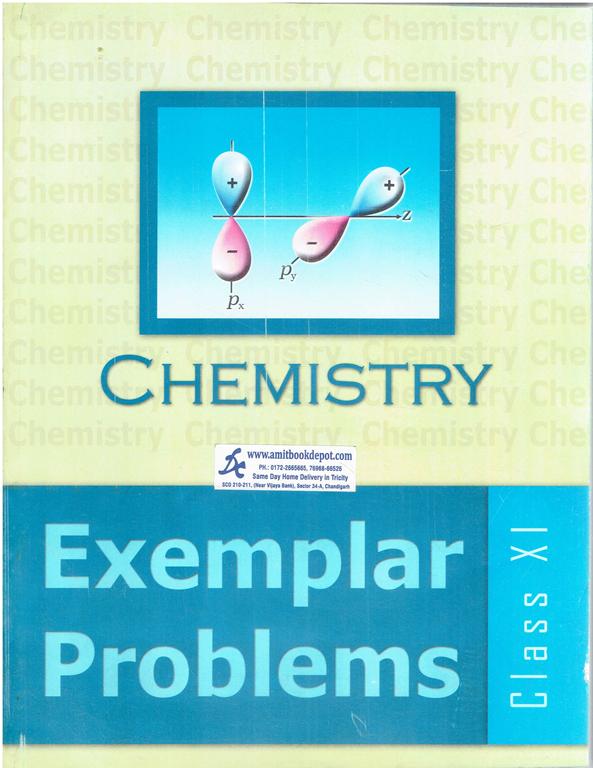

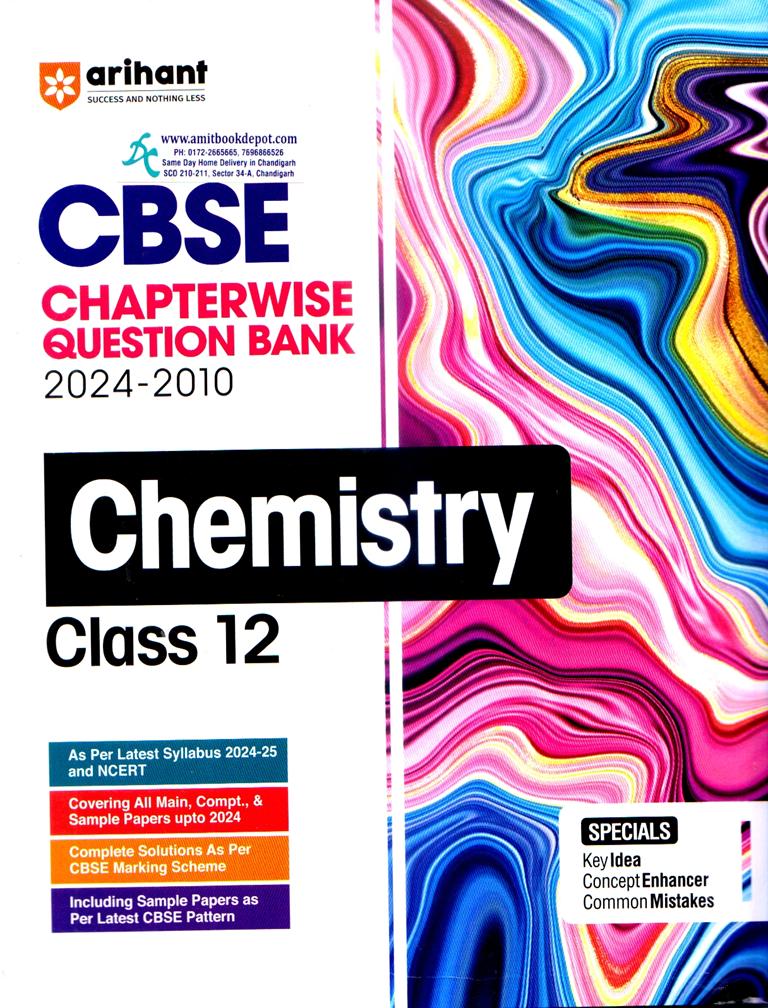
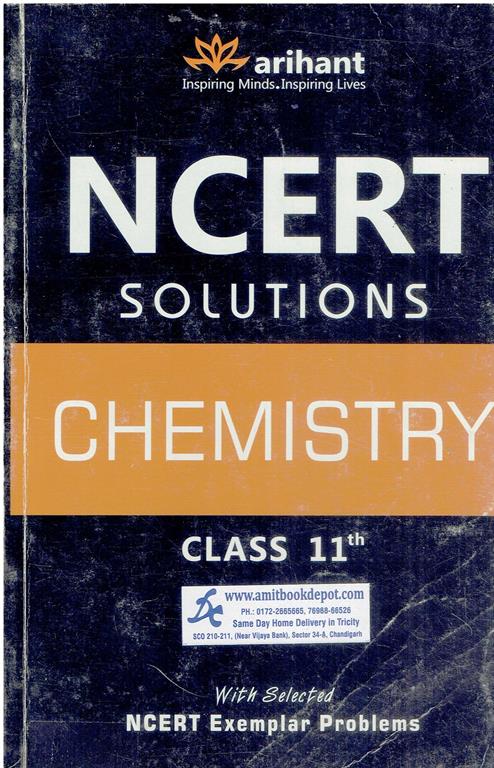
Unit 1: Some Basic Concepts of Chemistry. It covers empirical formula, molecular formula, molar mass, and laws of chemical combination.
It provides problems on Bohr’s model, quantum numbers, de Broglie wavelength, Heisenberg principle, and electronic configurations of atoms.
Unit 3: Classification of Elements and Periodicity in Properties includes atomic radii, ionic radii, electron gain enthalpy, and valence.
Unit 4: Chemical Bonding and Molecular Structure. Problems include shapes of molecules, bond parameters, and molecular orbital theory.
Yes, Unit 6: Thermodynamics includes Hess’s law, enthalpy of formation, combustion, and Gibbs free energy problems.
Unit 7: Equilibrium. It covers Ksp, pH, buffer solution, Henderson equation, and Le Chatelier’s principle.
Unit 12: Organic Chemistry – Some Basic Principles and Techniques. It includes inductive, resonance, and hyperconjugation effects.
Yes, Unit 13 covers benzene resonance, electrophilic substitution (nitration, halogenation), and Friedel-Crafts reactions.
Unit 14: Environmental Chemistry includes questions on air pollution, smog, ozone depletion, and greenhouse gases.
Absolutely. High-level conceptual and numerical problems build analytical skills essential for medical and engineering entrance exams.
No Description Added
Unit 1: Some Basic Concepts of Chemistry. It covers empirical formula, molecular formula, molar mass, and laws of chemical combination.
It provides problems on Bohr’s model, quantum numbers, de Broglie wavelength, Heisenberg principle, and electronic configurations of atoms.
Unit 3: Classification of Elements and Periodicity in Properties includes atomic radii, ionic radii, electron gain enthalpy, and valence.
Unit 4: Chemical Bonding and Molecular Structure. Problems include shapes of molecules, bond parameters, and molecular orbital theory.
Yes, Unit 6: Thermodynamics includes Hess’s law, enthalpy of formation, combustion, and Gibbs free energy problems.
Unit 7: Equilibrium. It covers Ksp, pH, buffer solution, Henderson equation, and Le Chatelier’s principle.
Unit 12: Organic Chemistry – Some Basic Principles and Techniques. It includes inductive, resonance, and hyperconjugation effects.
Yes, Unit 13 covers benzene resonance, electrophilic substitution (nitration, halogenation), and Friedel-Crafts reactions.
Unit 14: Environmental Chemistry includes questions on air pollution, smog, ozone depletion, and greenhouse gases.
Absolutely. High-level conceptual and numerical problems build analytical skills essential for medical and engineering entrance exams.