-
Mon-Fri: 10AM to 8PM 01722665665
-
My Account
-
-
0
Total :
₹ 0.00


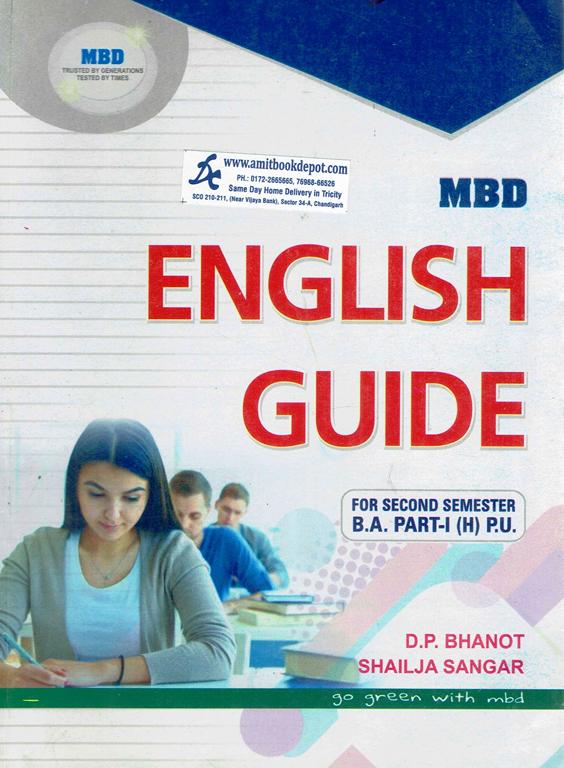
Yes, the book is meticulously crafted to align 100% with the prescribed syllabus for Course Code ENG(AEC)—031, covering all units and topics in detail.
Absolutely. The sections on interpreting graphs/charts, paraphrasing, and comprehension are specifically designed to provide hands-on practice for the 15-mark practical exam.
Yes, the book is designed for a multi-disciplinary audience, including B.A, B.Sc, B.Com, B.B.A, and B.C.A. The skills of reading, writing, and interpreting data are universal and essential for all streams.
This book is not a general English book. It is a specialized, syllabus-specific resource that focuses exclusively on the learning objectives and examination pattern of the AEC-II course, which general books do not cover.
The book is designed as a comprehensive guide that covers the topics listed in the syllabus, which are also covered in the Cambridge books. It serves as a consolidated study material, so you may not need the primary Cambridge texts separately for exam preparation.
The units on resume writing, formal email/letter writing, and report writing directly equip you with the professional communication skills required for the corporate world and job application processes.
This section provides a step-by-step methodology for analyzing different types of visual data (like bar graphs, pie charts), includes relevant vocabulary, and offers practice examples to build competency for the practical exam.
While the book covers all the theoretical and practical topics on which internal assessments are based, specific internal assessment tasks are typically designed by the college faculty. However, mastering the book's content will fully prepare a student for any internal evaluation.
Yes, the book is written in a clear, structured, and student-friendly manner, making it highly suitable for self-study. It comprehensively explains concepts with examples.
Yes, the learning objectives of the course include applying rules of grammar, and this is integrated into the writing units (like paragraph, letter, and report writing) to ensure correctness and clarity.
No Description Added
Yes, the book is meticulously crafted to align 100% with the prescribed syllabus for Course Code ENG(AEC)—031, covering all units and topics in detail.
Absolutely. The sections on interpreting graphs/charts, paraphrasing, and comprehension are specifically designed to provide hands-on practice for the 15-mark practical exam.
Yes, the book is designed for a multi-disciplinary audience, including B.A, B.Sc, B.Com, B.B.A, and B.C.A. The skills of reading, writing, and interpreting data are universal and essential for all streams.
This book is not a general English book. It is a specialized, syllabus-specific resource that focuses exclusively on the learning objectives and examination pattern of the AEC-II course, which general books do not cover.
The book is designed as a comprehensive guide that covers the topics listed in the syllabus, which are also covered in the Cambridge books. It serves as a consolidated study material, so you may not need the primary Cambridge texts separately for exam preparation.
The units on resume writing, formal email/letter writing, and report writing directly equip you with the professional communication skills required for the corporate world and job application processes.
This section provides a step-by-step methodology for analyzing different types of visual data (like bar graphs, pie charts), includes relevant vocabulary, and offers practice examples to build competency for the practical exam.
While the book covers all the theoretical and practical topics on which internal assessments are based, specific internal assessment tasks are typically designed by the college faculty. However, mastering the book's content will fully prepare a student for any internal evaluation.
Yes, the book is written in a clear, structured, and student-friendly manner, making it highly suitable for self-study. It comprehensively explains concepts with examples.
Yes, the learning objectives of the course include applying rules of grammar, and this is integrated into the writing units (like paragraph, letter, and report writing) to ensure correctness and clarity.