-
Mon-Fri: 10AM to 8PM 01722665665
-
My Account
-
-
0
Total :
₹ 0.00

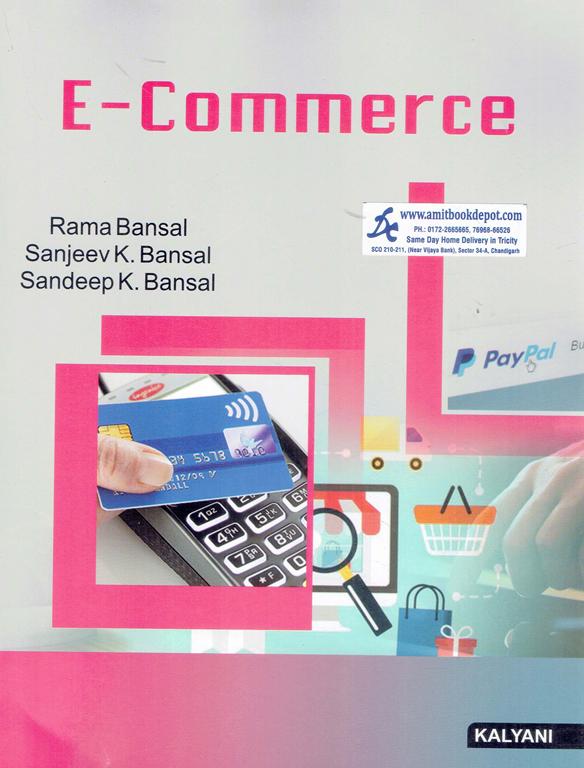
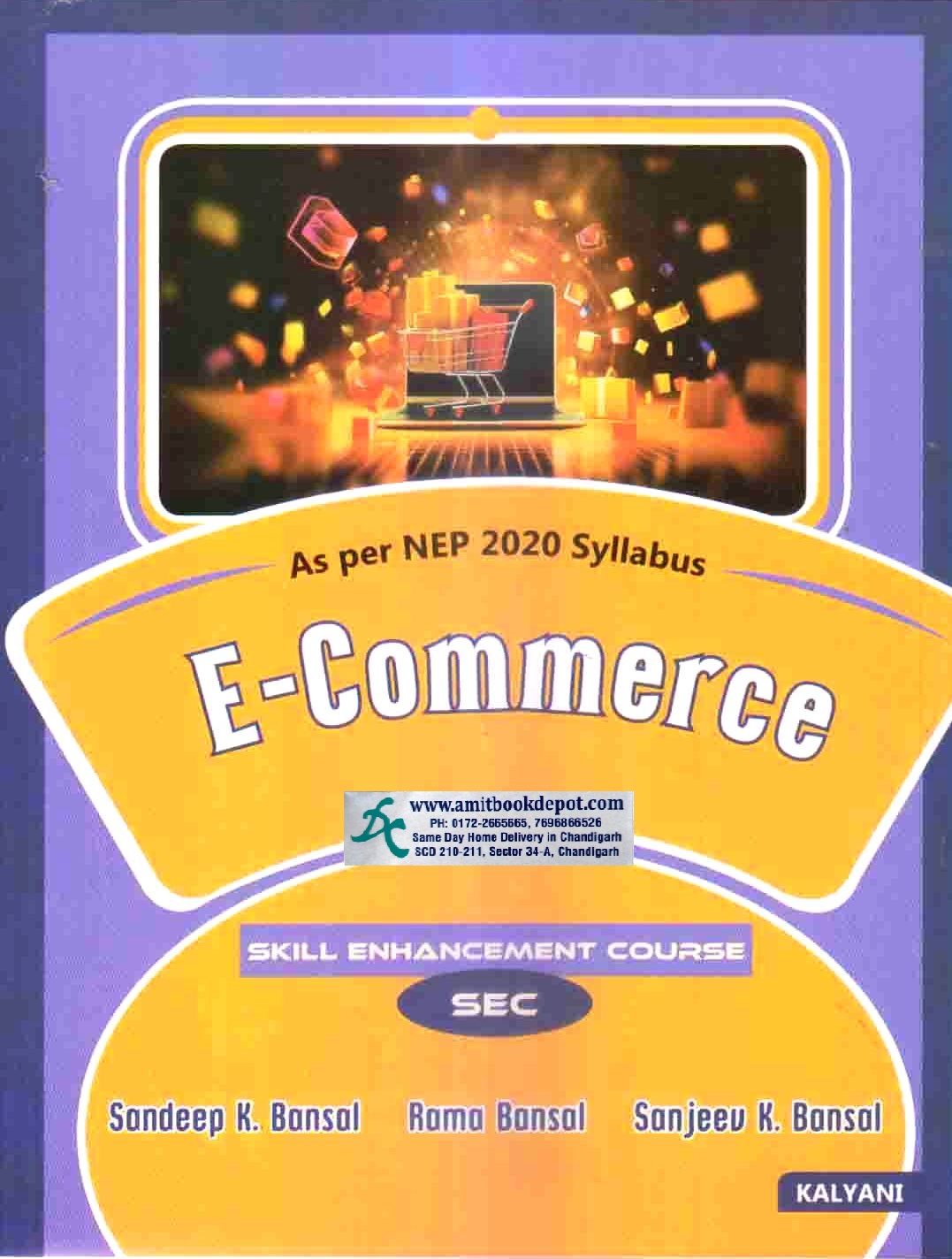
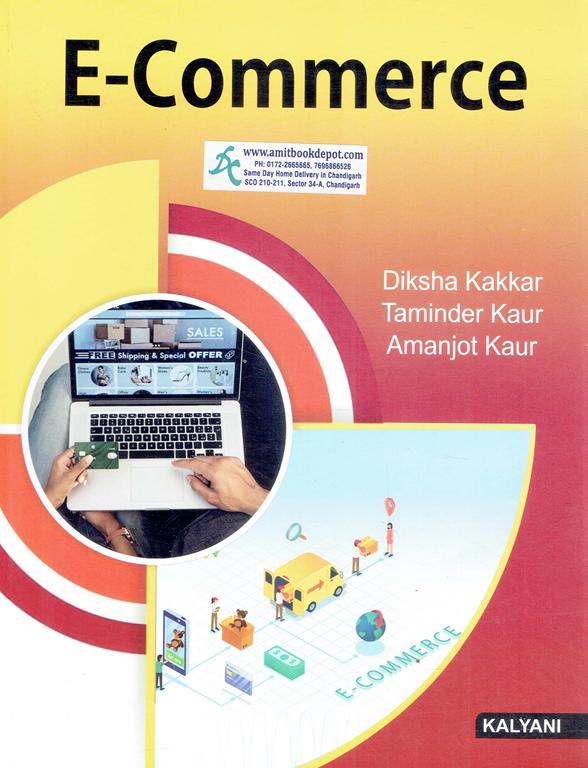
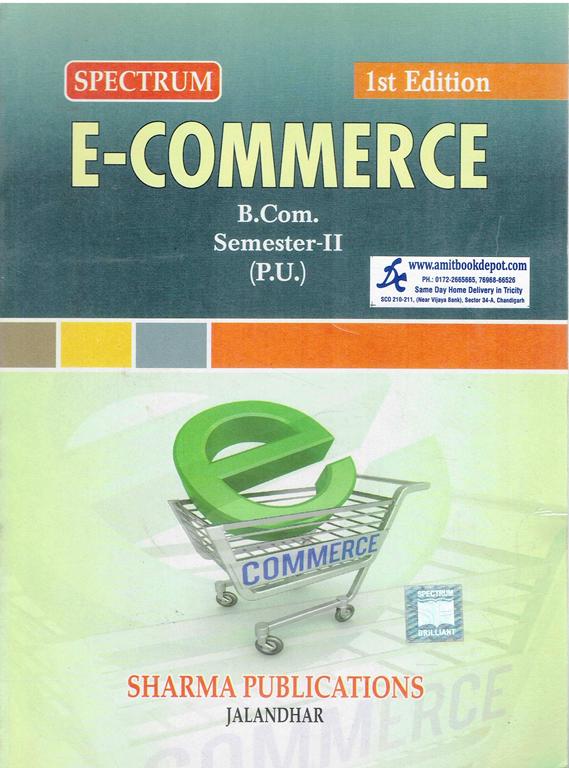
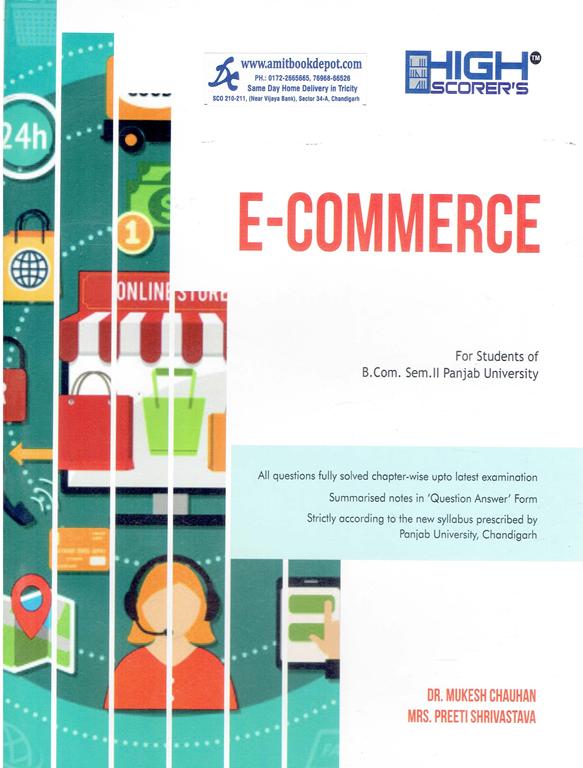
The book is specifically designed to meet NEP 2020 learning outcomes by incorporating multidisciplinary approaches, critical thinking, and skill-based content aligned with current academic and industry standards.
Yes, it provides thorough theoretical explanations along with practical exercises, case studies, and step-by-step guides to designing and deploying online businesses.
Yes, it offers in-depth analysis of various e-business models such as B2B, B2C, C2C, and C2B, helping students understand and evaluate actual companies' strategies.
Yes, it covers the latest electronic payment methods including e-wallets, smart cards, and security protocols like cryptography and digital signatures.
It discusses the broader societal and economic changes brought by e-commerce, including its influence on employment, organization structures, and social interactions.
Yes, Chapter 7 provides a step-by-step approach to designing, developing, and deploying an online business, making it practical for aspiring entrepreneurs.
Yes, the book explains technical concepts in a simple manner, making it accessible to students from diverse academic backgrounds.
Yes, each chapter has summaries, key terms, review questions, and practical exercises to reinforce learning and aid exam preparation.
While primarily focused on concepts, the book integrates relevant case studies and examples to illustrate key points and practical applications.
Definitely. Its comprehensive coverage, aligned with syllabus and pedagogical strengths, makes it an ideal primary textbook for undergraduate courses.
No Description Added
The book is specifically designed to meet NEP 2020 learning outcomes by incorporating multidisciplinary approaches, critical thinking, and skill-based content aligned with current academic and industry standards.
Yes, it provides thorough theoretical explanations along with practical exercises, case studies, and step-by-step guides to designing and deploying online businesses.
Yes, it offers in-depth analysis of various e-business models such as B2B, B2C, C2C, and C2B, helping students understand and evaluate actual companies' strategies.
Yes, it covers the latest electronic payment methods including e-wallets, smart cards, and security protocols like cryptography and digital signatures.
It discusses the broader societal and economic changes brought by e-commerce, including its influence on employment, organization structures, and social interactions.
Yes, Chapter 7 provides a step-by-step approach to designing, developing, and deploying an online business, making it practical for aspiring entrepreneurs.
Yes, the book explains technical concepts in a simple manner, making it accessible to students from diverse academic backgrounds.
Yes, each chapter has summaries, key terms, review questions, and practical exercises to reinforce learning and aid exam preparation.
While primarily focused on concepts, the book integrates relevant case studies and examples to illustrate key points and practical applications.
Definitely. Its comprehensive coverage, aligned with syllabus and pedagogical strengths, makes it an ideal primary textbook for undergraduate courses.