-
Mon-Fri: 10AM to 8PM 01722665665
-
My Account
-
-
0
Total :
₹ 0.00

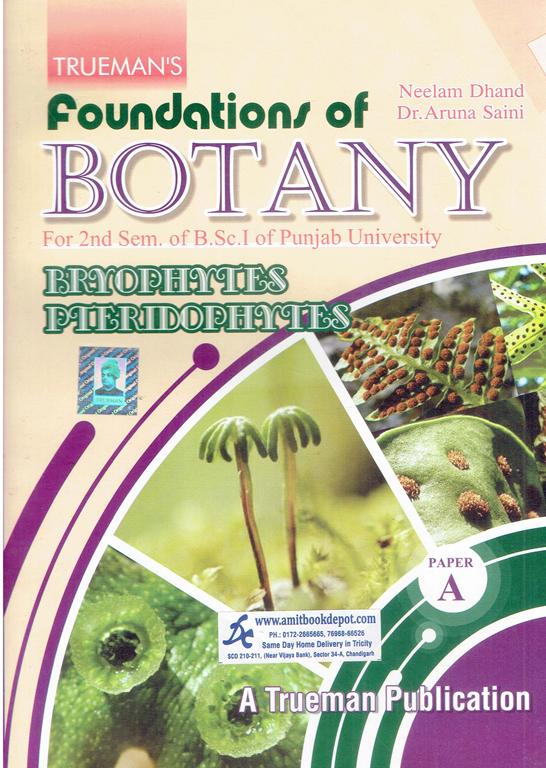
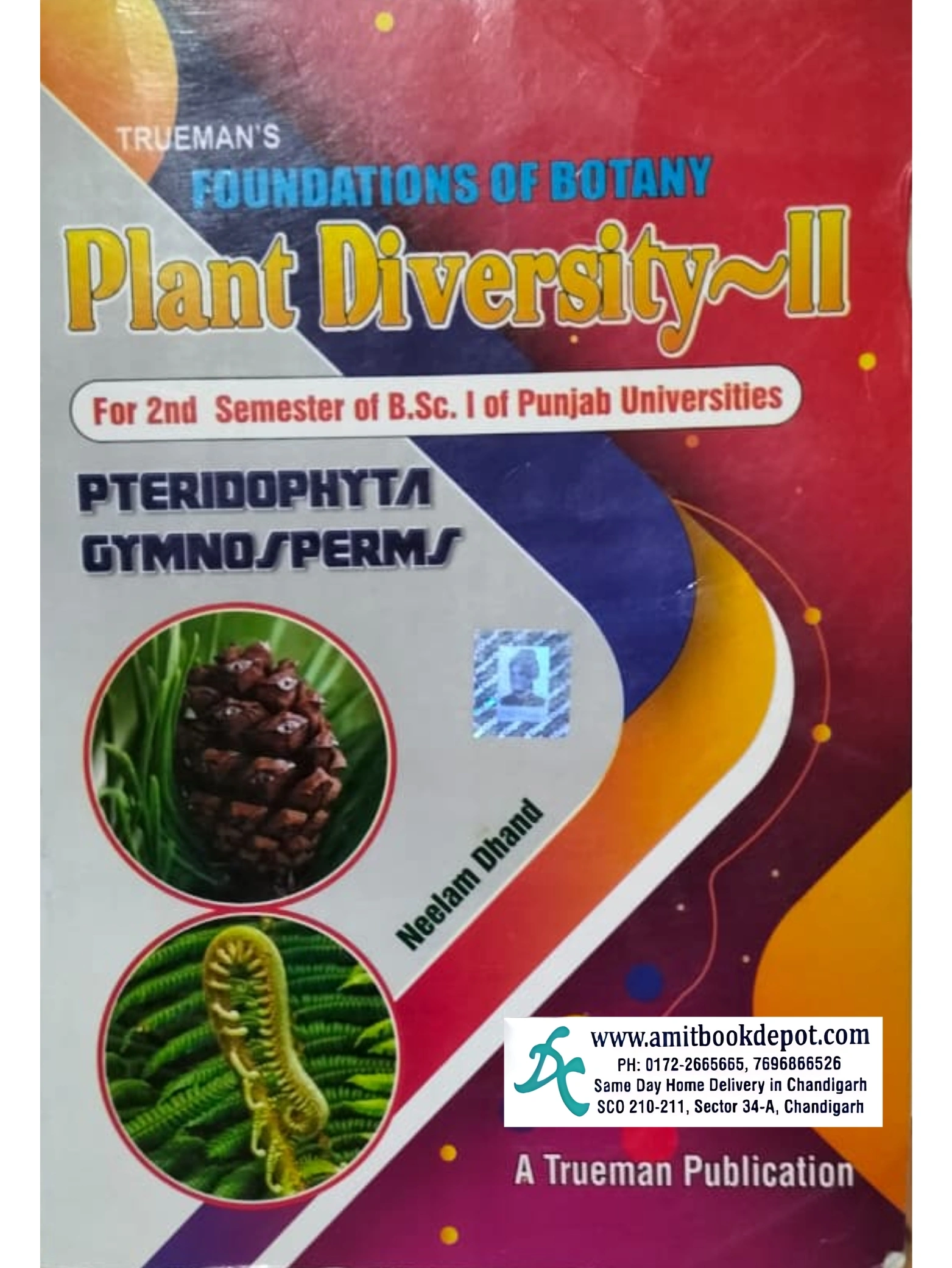


Yes, it is specifically tailored to cover the entire syllabus, including Pteridophyta, Gymnosperms, and related topics, in a comprehensive and syllabus-centric manner.
Absolutely! The book features detailed, well-labeled illustrations and life cycle charts to aid visual understanding of plant structures and reproductive processes.
The content is curated to highlight important points, differentiate between species, and align with exam questions, thereby helping students answer university exams effectively.
While primarily a theoretical resource, the detailed illustrations and descriptions support practical understanding and identification skills.
Yes, the book discusses the systematic position and evolutionary significance of various plant groups like Rhynia, Selaginella, and gymnosperms, providing an evolutionary perspective.
Definitely! Its comprehensive coverage and focused content on lower plant groups make it an excellent resource for competitive exam preparation.
Yes, the chapters follow a logical flow from lower to higher plant groups, facilitating progressive learning aligned with the syllabus.
The book is tailored to the syllabus and focuses on foundational concepts; it emphasizes clarity and exam relevance over recent research updates.
The book primarily provides theoretical content with illustrations; practical exercises are typically covered in the lab manuals, but the book supports practical understanding.
Its syllabus-centric approach, clear language, detailed illustrations, and exam-focused content make it a distinctive and effective resource for students.
No Description Added
Yes, it is specifically tailored to cover the entire syllabus, including Pteridophyta, Gymnosperms, and related topics, in a comprehensive and syllabus-centric manner.
Absolutely! The book features detailed, well-labeled illustrations and life cycle charts to aid visual understanding of plant structures and reproductive processes.
The content is curated to highlight important points, differentiate between species, and align with exam questions, thereby helping students answer university exams effectively.
While primarily a theoretical resource, the detailed illustrations and descriptions support practical understanding and identification skills.
Yes, the book discusses the systematic position and evolutionary significance of various plant groups like Rhynia, Selaginella, and gymnosperms, providing an evolutionary perspective.
Definitely! Its comprehensive coverage and focused content on lower plant groups make it an excellent resource for competitive exam preparation.
Yes, the chapters follow a logical flow from lower to higher plant groups, facilitating progressive learning aligned with the syllabus.
The book is tailored to the syllabus and focuses on foundational concepts; it emphasizes clarity and exam relevance over recent research updates.
The book primarily provides theoretical content with illustrations; practical exercises are typically covered in the lab manuals, but the book supports practical understanding.
Its syllabus-centric approach, clear language, detailed illustrations, and exam-focused content make it a distinctive and effective resource for students.