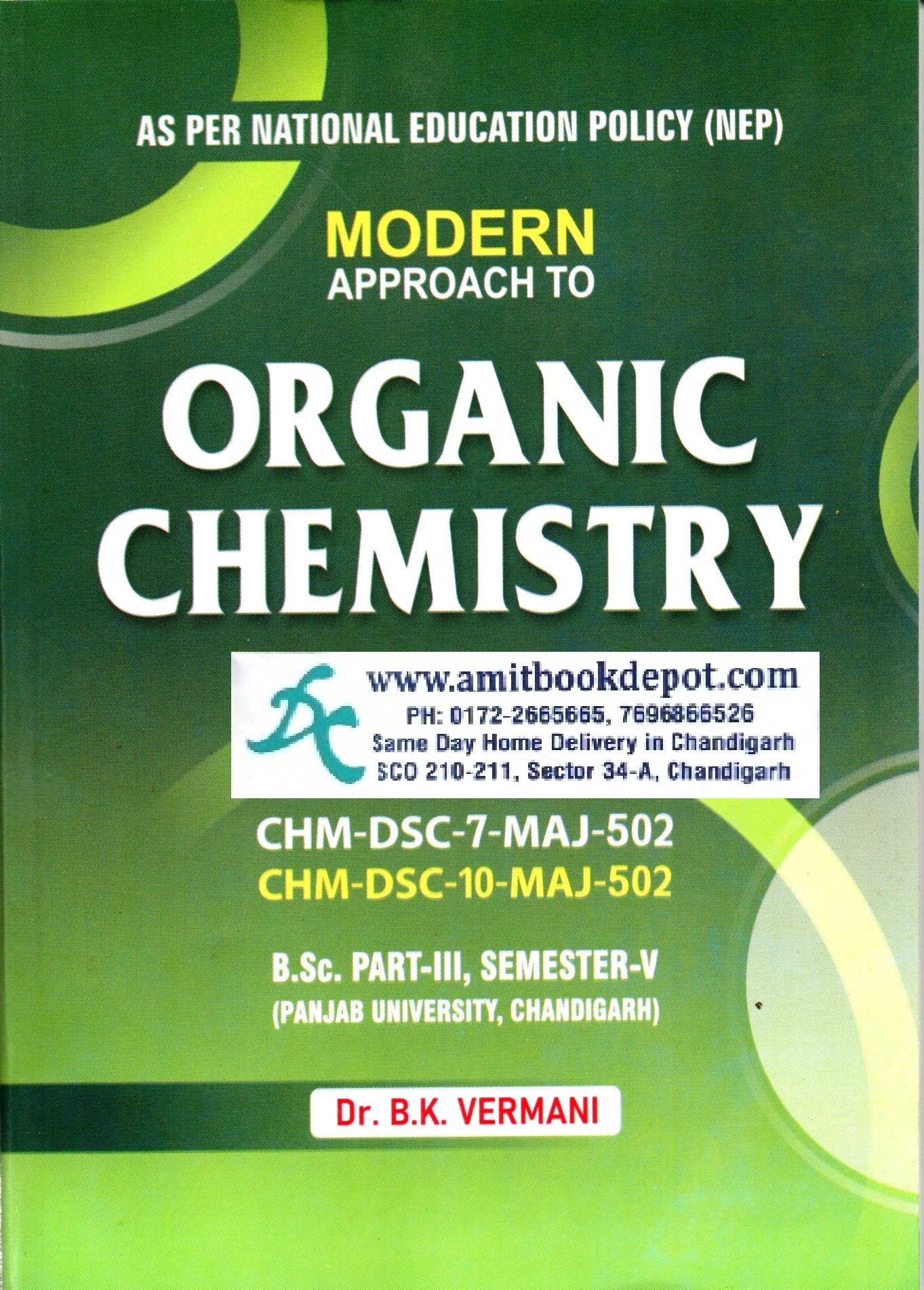
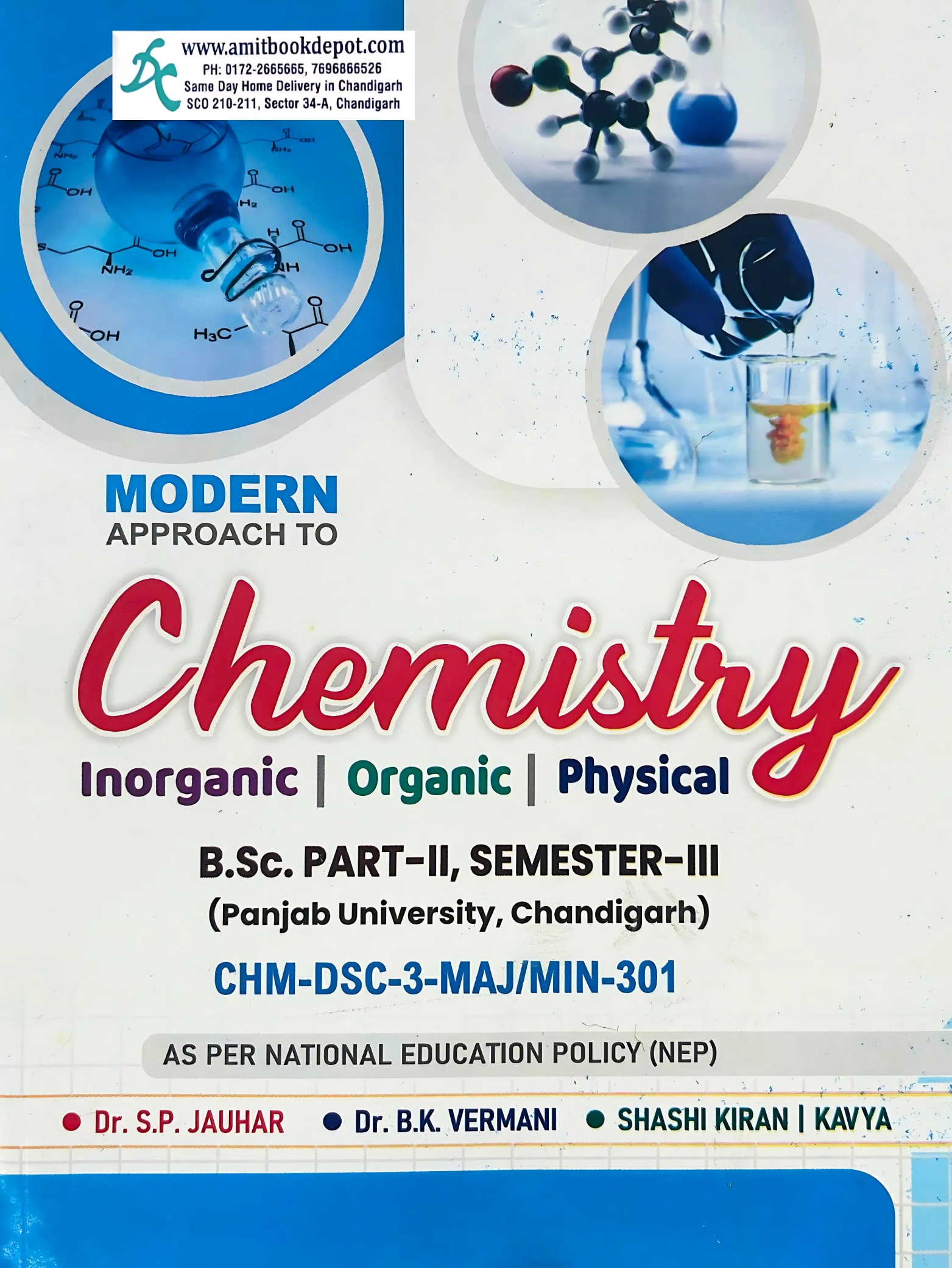
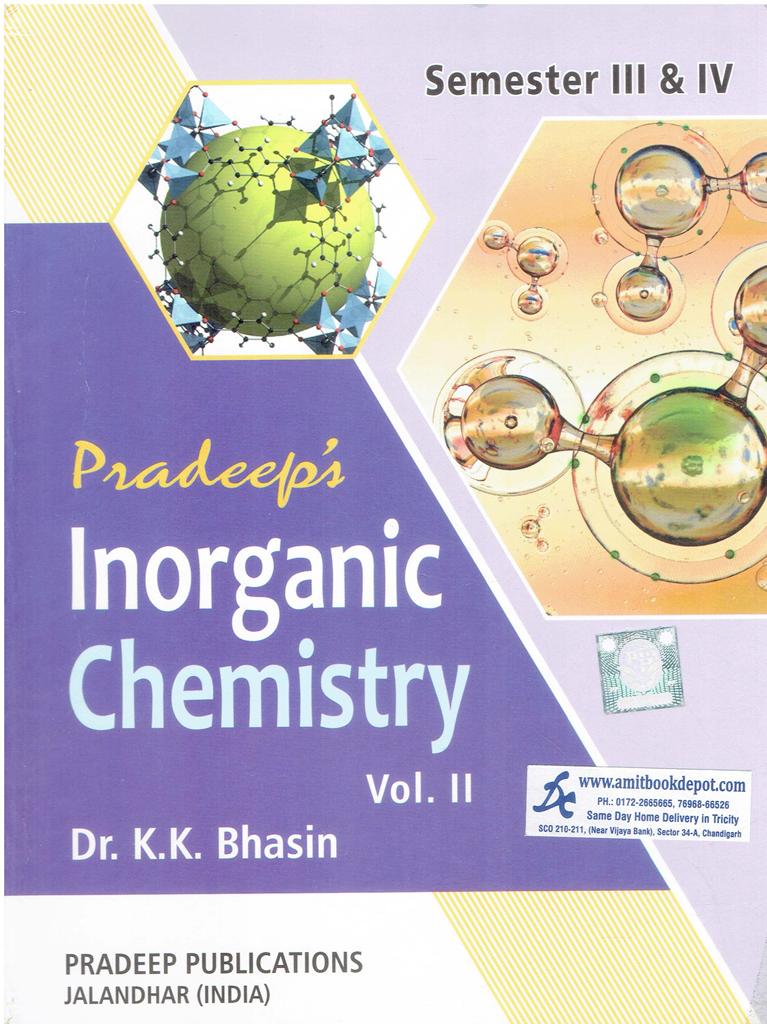
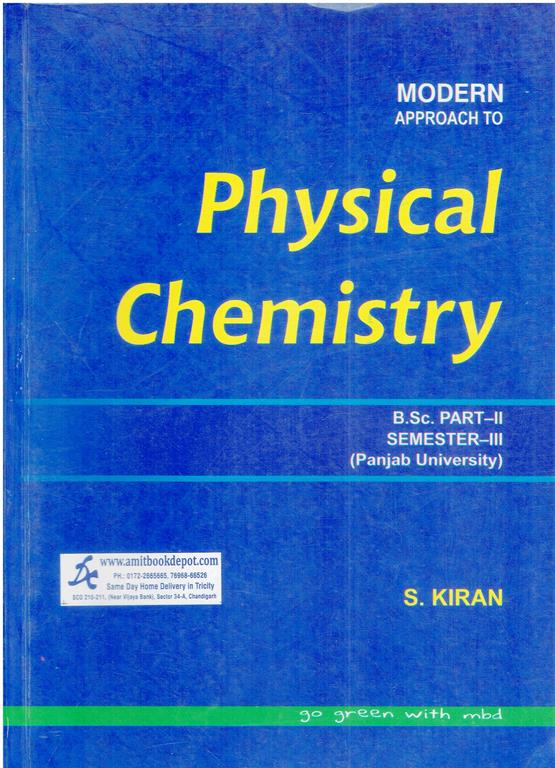
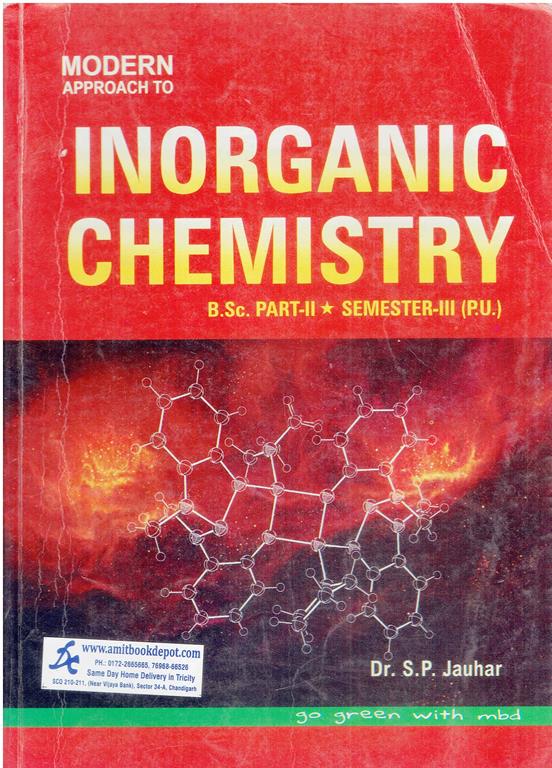
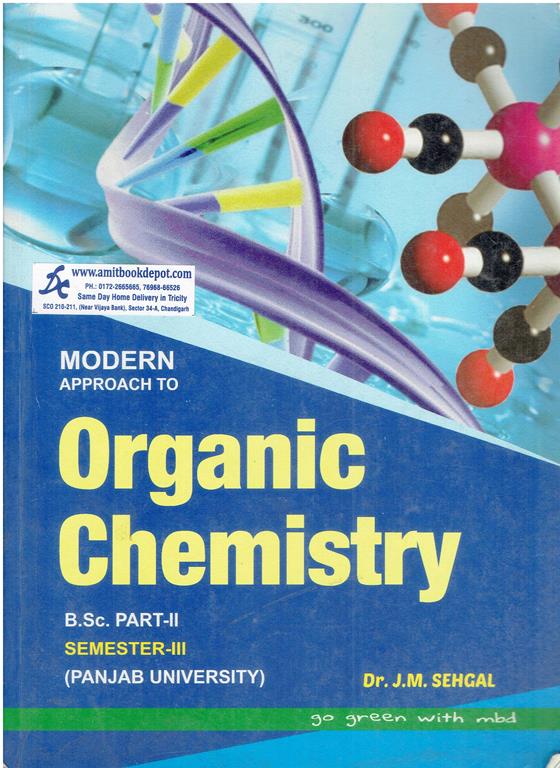
Yes, this book is meticulously crafted to cover the entire syllabus for CHM - DSC - 3 - MAJ/MIN - 301, as prescribed by PU Chandigarh.
Absolutely. The book is explicitly designed for both Major and Minor students of Chemistry as per the PU Chandigarh syllabus.
Yes, the book provides detailed explanations and solved problems to help students grasp the application of concepts like Hess's Law and Entropy calculations.
Yes, a key feature of this book is its emphasis on explaining the step-by-step mechanisms for major organic reactions, as required by the syllabus.
Yes, the chapter on s-Block Elements includes a section on their function in biosystems, as specified in the learning outcomes.
The book covers both Valence Bond Treatment and Molecular Orbital Treatment for XeF₂, providing a comprehensive understanding of bonding in noble gas compounds.
Yes, the chapter on Dienes provides detailed coverage of these specific and important reactions, including their mechanisms.
Yes, the section on Noble Gases explicitly covers the molecular shapes of their compounds using the VSEPR theory.
This book is designed as a primary and comprehensive textbook that covers the entire syllabus in depth, making it a highly reliable sole reference for exam preparation.
Yes, Unit III on Thermodynamics-II dedicates significant content to the concept of entropy, its calculation, and its role as a determinant of spontaneity and equilibrium.
No Description Added
Yes, this book is meticulously crafted to cover the entire syllabus for CHM - DSC - 3 - MAJ/MIN - 301, as prescribed by PU Chandigarh.
Absolutely. The book is explicitly designed for both Major and Minor students of Chemistry as per the PU Chandigarh syllabus.
Yes, the book provides detailed explanations and solved problems to help students grasp the application of concepts like Hess's Law and Entropy calculations.
Yes, a key feature of this book is its emphasis on explaining the step-by-step mechanisms for major organic reactions, as required by the syllabus.
Yes, the chapter on s-Block Elements includes a section on their function in biosystems, as specified in the learning outcomes.
The book covers both Valence Bond Treatment and Molecular Orbital Treatment for XeF₂, providing a comprehensive understanding of bonding in noble gas compounds.
Yes, the chapter on Dienes provides detailed coverage of these specific and important reactions, including their mechanisms.
Yes, the section on Noble Gases explicitly covers the molecular shapes of their compounds using the VSEPR theory.
This book is designed as a primary and comprehensive textbook that covers the entire syllabus in depth, making it a highly reliable sole reference for exam preparation.
Yes, Unit III on Thermodynamics-II dedicates significant content to the concept of entropy, its calculation, and its role as a determinant of spontaneity and equilibrium.