-
Mon-Fri: 10AM to 8PM 01722665665
-
My Account
-
-
0
Total :
₹ 0.00

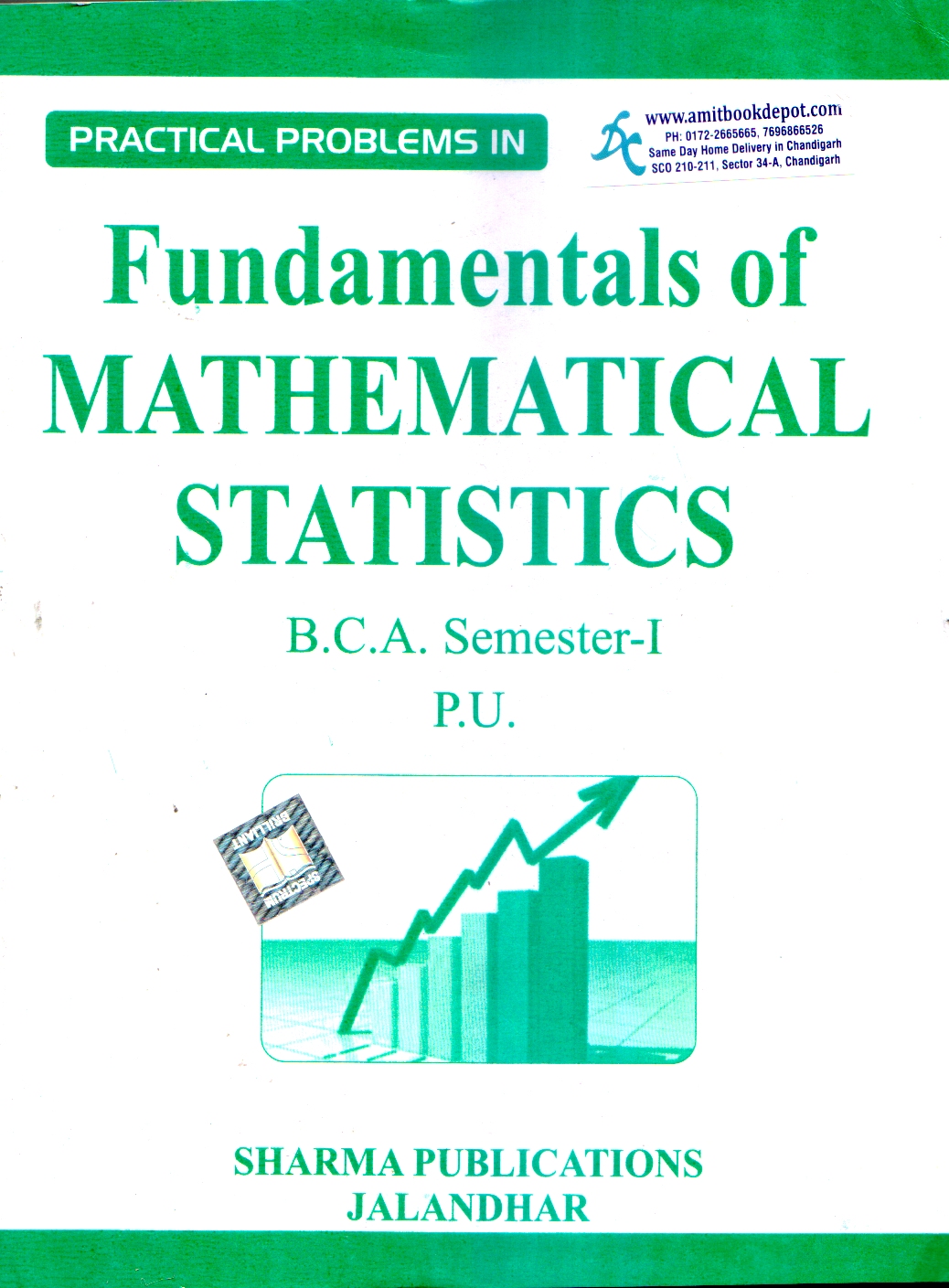

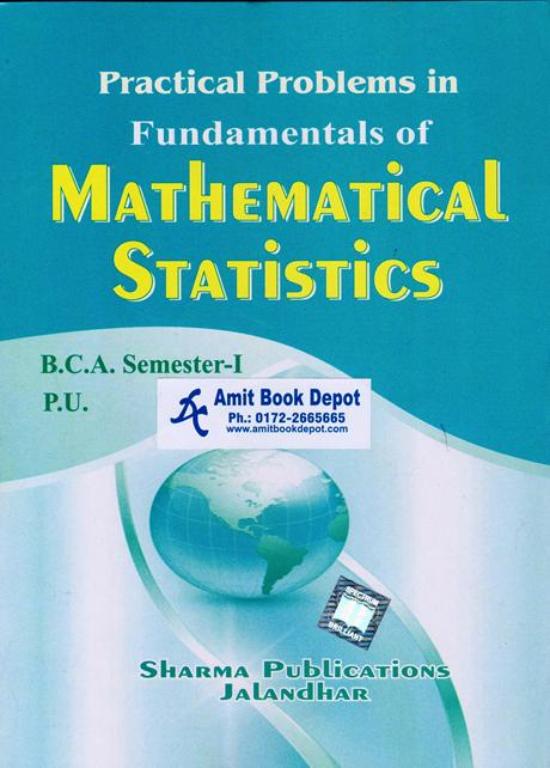
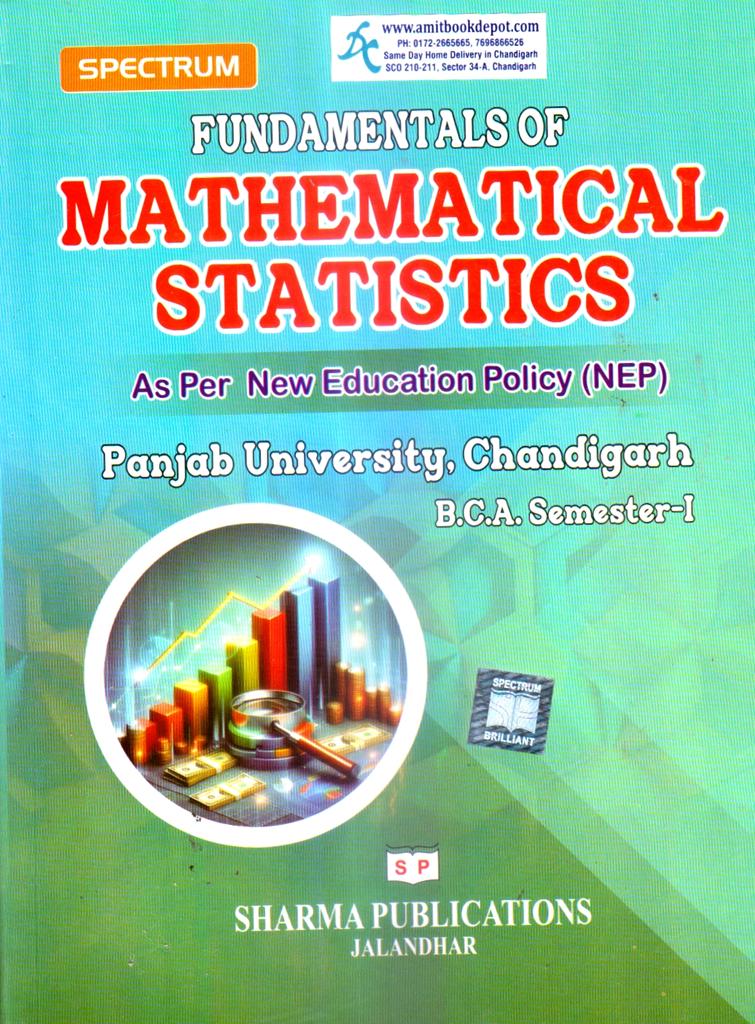
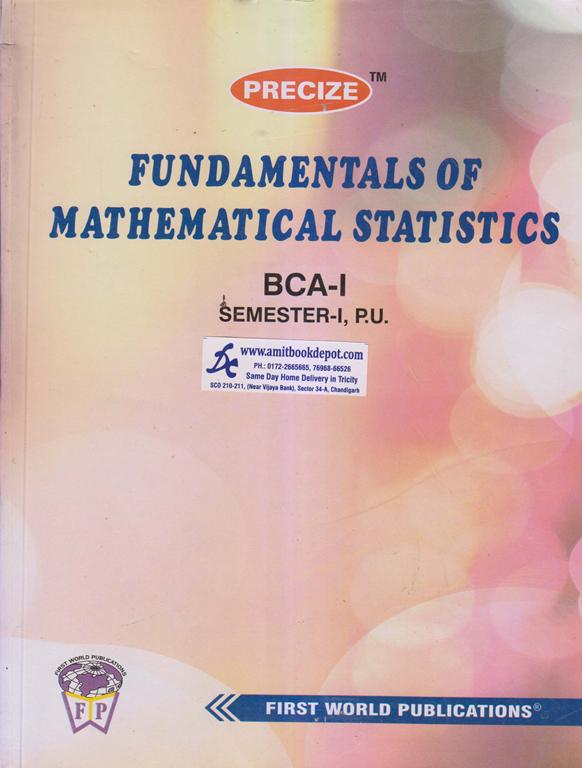
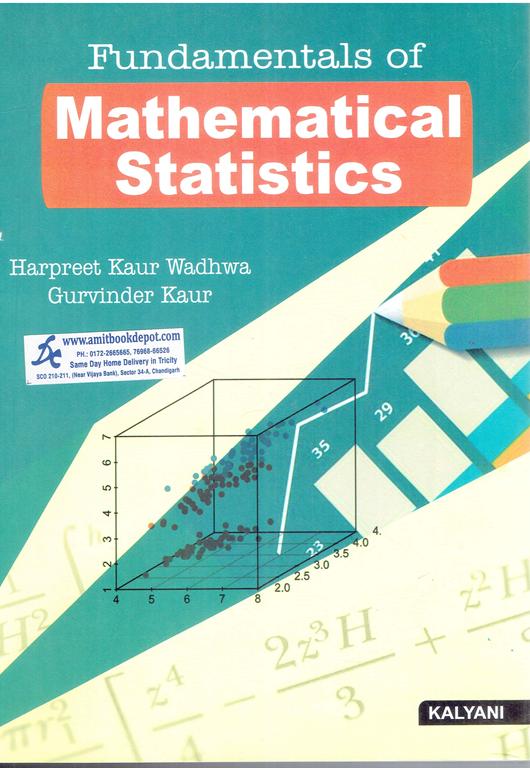
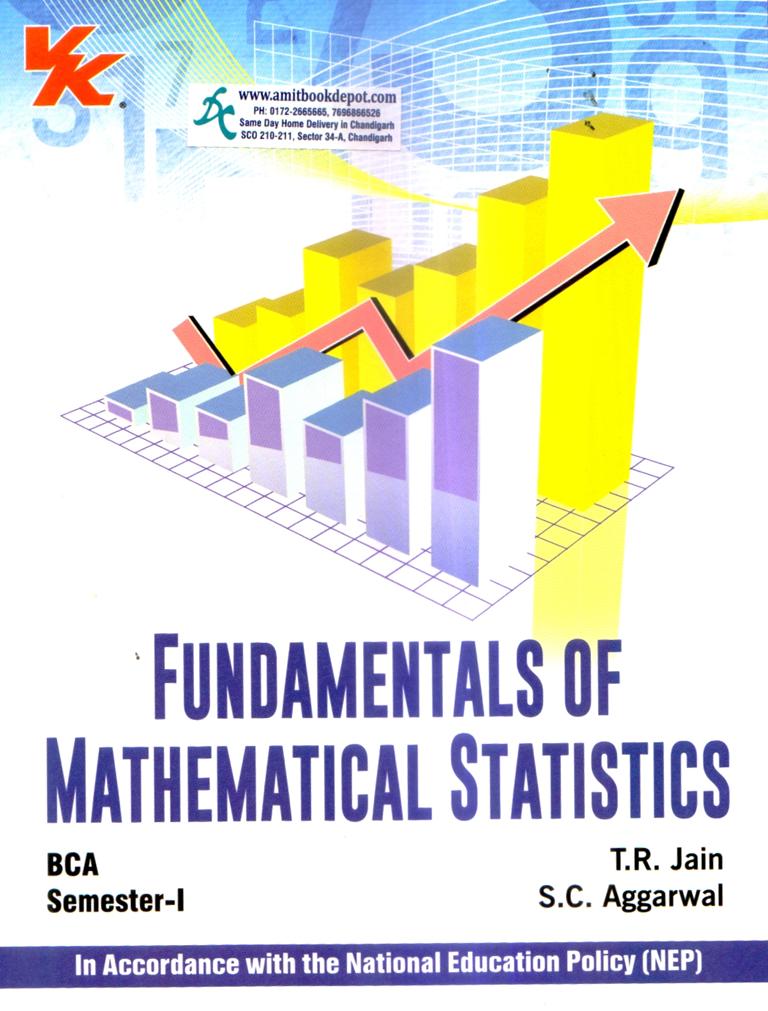
Yes, this book is meticulously crafted to be 100% aligned with the latest syllabus for BCA-16-102 (Fundamentals of Mathematical Statistics) prescribed by Panjab University Chandigarh for its first-semester BCA students.
Absolutely. For every statistical measure, such as Mean, Median, Mode, and Standard Deviation, the book provides separate, detailed methods and solved problems for Individual Series, Discrete Series, and Continuous Series.
Yes, the book includes dedicated sections and solved practical problems on calculating Weighted and Combined Arithmetic Mean, Geometric Mean, and Harmonic Mean, as outlined in the syllabus.
A dedicated section in the Regression Analysis chapter explicitly explains the differences between Correlation and Regression, ensuring conceptual clarity, which is a common question in exams.
Yes, the book covers the techniques for correcting incorrect calculations for both Standard Deviation and Karl Pearson's Coefficient of Correlation, as specified in the PU syllabus.
Yes, the book provides a comprehensive explanation of Spearman’s Rank Correlation, complete with methods to calculate the correct coefficient when there are tied ranks.
Yes, the book covers the graphical representation of grouped frequency data and techniques for measuring correlation using Scatter Diagram and Graphic Methods.
Yes, there is a detailed chapter on Partition Values that goes beyond just Quartiles to include Quintiles, Octiles, Deciles, and Percentiles, with methods for their calculation in different series.
Definitely. The core strength of this book is its step-by-step approach to solving practical problems, making it an ideal resource for self-study and revision without constant teacher guidance.
Yes, the book includes a discussion on the uses and limitations of statistics as a subject, as well as the specific limitations of Regression Analysis, which are often part of theoretical questions.
No Description Added
Yes, this book is meticulously crafted to be 100% aligned with the latest syllabus for BCA-16-102 (Fundamentals of Mathematical Statistics) prescribed by Panjab University Chandigarh for its first-semester BCA students.
Absolutely. For every statistical measure, such as Mean, Median, Mode, and Standard Deviation, the book provides separate, detailed methods and solved problems for Individual Series, Discrete Series, and Continuous Series.
Yes, the book includes dedicated sections and solved practical problems on calculating Weighted and Combined Arithmetic Mean, Geometric Mean, and Harmonic Mean, as outlined in the syllabus.
A dedicated section in the Regression Analysis chapter explicitly explains the differences between Correlation and Regression, ensuring conceptual clarity, which is a common question in exams.
Yes, the book covers the techniques for correcting incorrect calculations for both Standard Deviation and Karl Pearson's Coefficient of Correlation, as specified in the PU syllabus.
Yes, the book provides a comprehensive explanation of Spearman’s Rank Correlation, complete with methods to calculate the correct coefficient when there are tied ranks.
Yes, the book covers the graphical representation of grouped frequency data and techniques for measuring correlation using Scatter Diagram and Graphic Methods.
Yes, there is a detailed chapter on Partition Values that goes beyond just Quartiles to include Quintiles, Octiles, Deciles, and Percentiles, with methods for their calculation in different series.
Definitely. The core strength of this book is its step-by-step approach to solving practical problems, making it an ideal resource for self-study and revision without constant teacher guidance.
Yes, the book includes a discussion on the uses and limitations of statistics as a subject, as well as the specific limitations of Regression Analysis, which are often part of theoretical questions.