-
Mon-Fri: 10AM to 8PM 01722665665
-
My Account
-
-
0
Total :
₹ 0.00



 (Size 2x1 Feet appx)_1.jpg,photos/uploads/Wooden Study Table (Fixed Legs) (Size 2x1 Feet appx)_2.jpg,photos/uploads/Wooden Study Table (Fixed Legs) (Size 2x1 Feet appx)_3.jpg,photos/uploads/Wooden Study Table (Fixed Legs) (Size 2x1 Feet appx)_4.jpg)

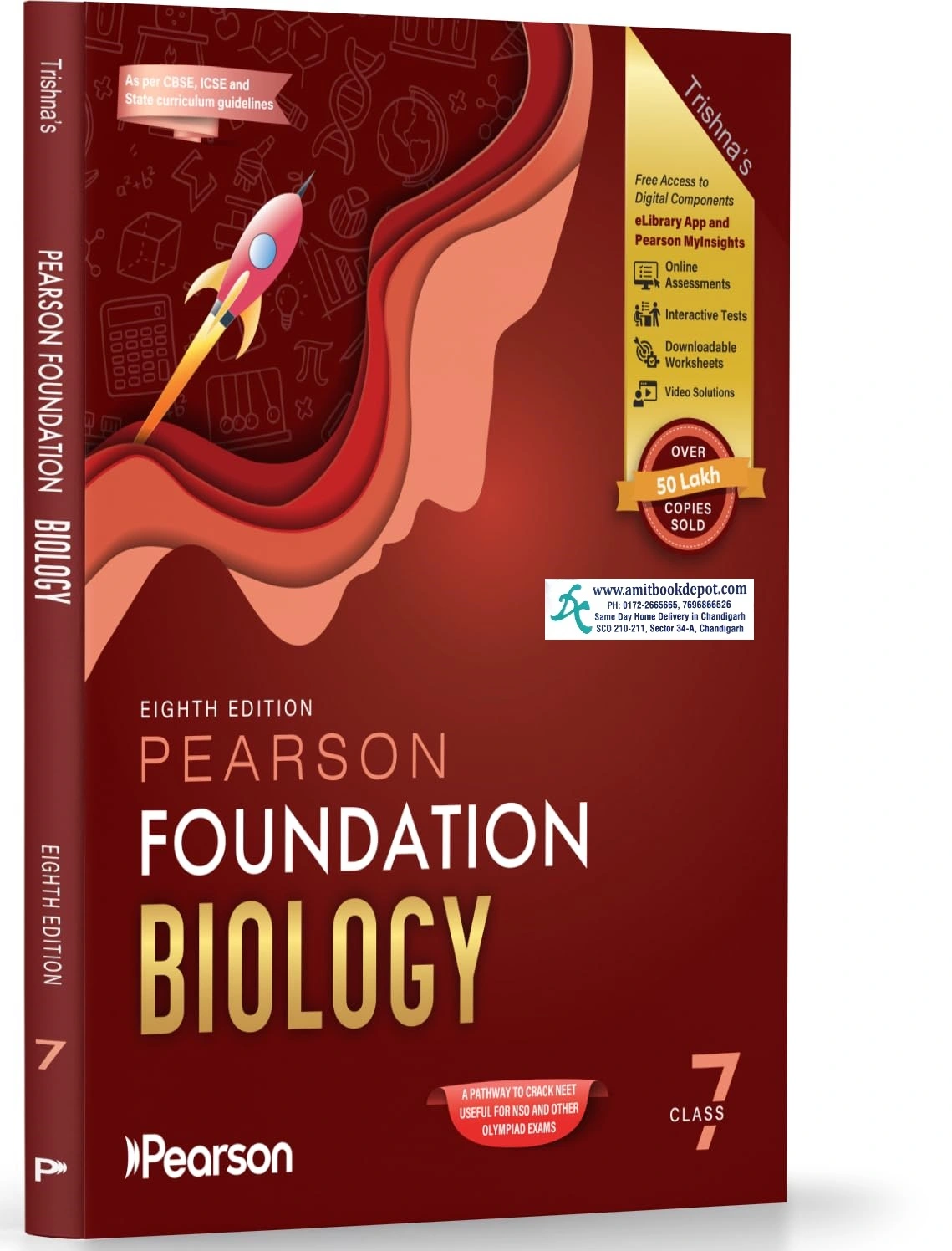
To understand how living organisms are systematically grouped. The chapter explains the need for classification and the hierarchy of biological organization.
Plants are autotrophs, producing their own food via photosynthesis. Animals are heterotrophs, relying on other organisms for food and nutrition.
It covers methods that prevent food spoilage by microbes. You will learn about techniques like pasteurization, dehydration, and using preservatives.
Asexual reproduction (e.g., vegetative propagation) and sexual reproduction (involving flowers, fruits, and seeds) to produce new plants.
An ecosystem consists of biotic (living) and abiotic (non-living) components interacting. It functions through energy flow and nutrient cycling.
Soil provides essential nutrients for plant growth, acts as a habitat for many organisms, and supports agriculture, which is crucial for our survival.
Animals develop special features or behaviors over time to survive in harsh weather conditions, such as thick fur in cold places.
To treat and purify used water to remove pollutants before it is released back into the environment, protecting our water resources and health.
It provides concept-based, application, and analytical questions. It also offers hints, explanations, and online assessments for rigorous practice .
The exercises are graded based on the level of difficulty and the skill they test, covering categories like basic knowledge, application of concepts, and analytical thinking .
No Description Added
To understand how living organisms are systematically grouped. The chapter explains the need for classification and the hierarchy of biological organization.
Plants are autotrophs, producing their own food via photosynthesis. Animals are heterotrophs, relying on other organisms for food and nutrition.
It covers methods that prevent food spoilage by microbes. You will learn about techniques like pasteurization, dehydration, and using preservatives.
Asexual reproduction (e.g., vegetative propagation) and sexual reproduction (involving flowers, fruits, and seeds) to produce new plants.
An ecosystem consists of biotic (living) and abiotic (non-living) components interacting. It functions through energy flow and nutrient cycling.
Soil provides essential nutrients for plant growth, acts as a habitat for many organisms, and supports agriculture, which is crucial for our survival.
Animals develop special features or behaviors over time to survive in harsh weather conditions, such as thick fur in cold places.
To treat and purify used water to remove pollutants before it is released back into the environment, protecting our water resources and health.
It provides concept-based, application, and analytical questions. It also offers hints, explanations, and online assessments for rigorous practice .
The exercises are graded based on the level of difficulty and the skill they test, covering categories like basic knowledge, application of concepts, and analytical thinking .