-
Mon-Fri: 10AM to 8PM 01722665665
-
My Account
-
-
0
Total :
₹ 0.00

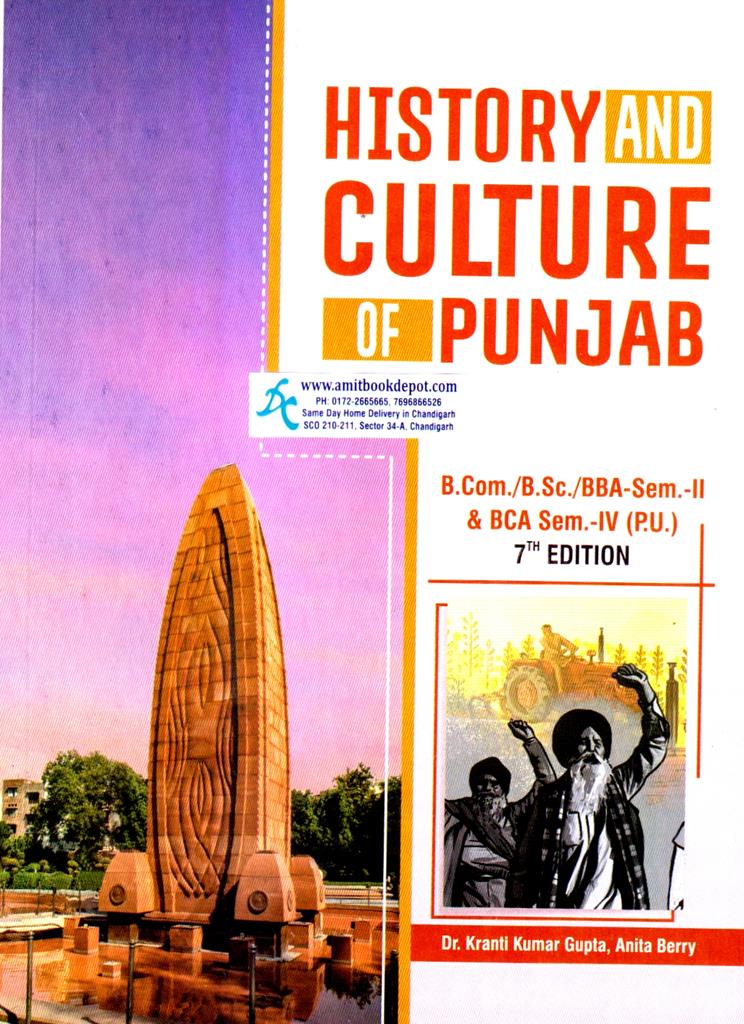
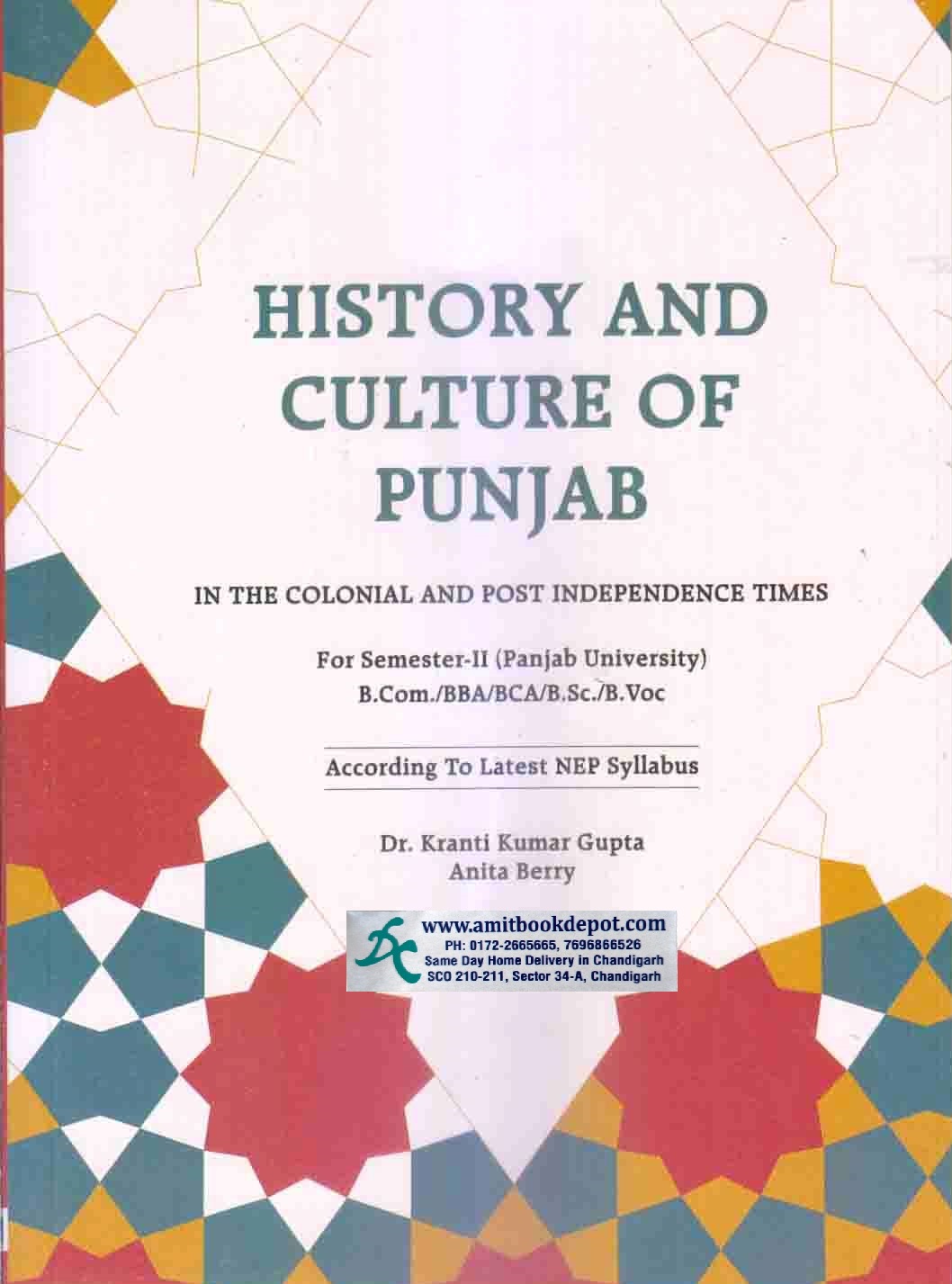


Yes, this book is meticulously crafted to cover the entire prescribed syllabus for the paper HCP-COMPL-2A-201, ensuring complete alignment with the university's curriculum.
While the book provides the core content required for assignments and presentations, the specific tasks are set by the college faculty. The comprehensive coverage of topics serves as the foundational resource for all internal assessment components.
Absolutely. The Short Answer Questions section is designed to help students practice for the compulsory first question in the theory exam, which requires concise answers of 25-30 words.
The chapters are structured in a detailed, explanatory manner, providing ample content and analysis that students can utilize to formulate comprehensive answers of 700-1000 words for the essay-type questions.
Yes, this textbook is an excellent self-study guide for private and distance education students. It covers all syllabus topics in a structured and clear language, making it easier to grasp the concepts without direct teaching.
Yes, it provides a balanced coverage. Unit I focuses on agrarian development like commercialization and canalization, while Unit II is dedicated to political consciousness and movements.
Yes, the book has a specific section under the "Struggle for Freedom" chapter that elaborates on the activities and significance of the HSRA and Bhagat Singh's role in the freedom struggle.
The book is written in a clear, academic yet accessible style, keeping in mind that students from diverse streams like Commerce and Business Administration need a straightforward presentation of historical facts and concepts.
Yes, it dedicates separate chapters to each. The "Gurudwara Reform Movement" chapter covers the major Morchas, while the "Struggle for Freedom" chapter details the activities of the Babbar Akalis, clarifying their distinct roles and methodologies.
Yes, the first chapter, "Introduction of Colonial Rule in Punjab," explicitly covers the formation and functioning of the Board of Administration as a key administrative structure established by the British.
No Description Added
Yes, this book is meticulously crafted to cover the entire prescribed syllabus for the paper HCP-COMPL-2A-201, ensuring complete alignment with the university's curriculum.
While the book provides the core content required for assignments and presentations, the specific tasks are set by the college faculty. The comprehensive coverage of topics serves as the foundational resource for all internal assessment components.
Absolutely. The Short Answer Questions section is designed to help students practice for the compulsory first question in the theory exam, which requires concise answers of 25-30 words.
The chapters are structured in a detailed, explanatory manner, providing ample content and analysis that students can utilize to formulate comprehensive answers of 700-1000 words for the essay-type questions.
Yes, this textbook is an excellent self-study guide for private and distance education students. It covers all syllabus topics in a structured and clear language, making it easier to grasp the concepts without direct teaching.
Yes, it provides a balanced coverage. Unit I focuses on agrarian development like commercialization and canalization, while Unit II is dedicated to political consciousness and movements.
Yes, the book has a specific section under the "Struggle for Freedom" chapter that elaborates on the activities and significance of the HSRA and Bhagat Singh's role in the freedom struggle.
The book is written in a clear, academic yet accessible style, keeping in mind that students from diverse streams like Commerce and Business Administration need a straightforward presentation of historical facts and concepts.
Yes, it dedicates separate chapters to each. The "Gurudwara Reform Movement" chapter covers the major Morchas, while the "Struggle for Freedom" chapter details the activities of the Babbar Akalis, clarifying their distinct roles and methodologies.
Yes, the first chapter, "Introduction of Colonial Rule in Punjab," explicitly covers the formation and functioning of the Board of Administration as a key administrative structure established by the British.