-
Mon-Fri: 10AM to 8PM 01722665665
-
My Account
-
-
0
Total :
₹ 0.00

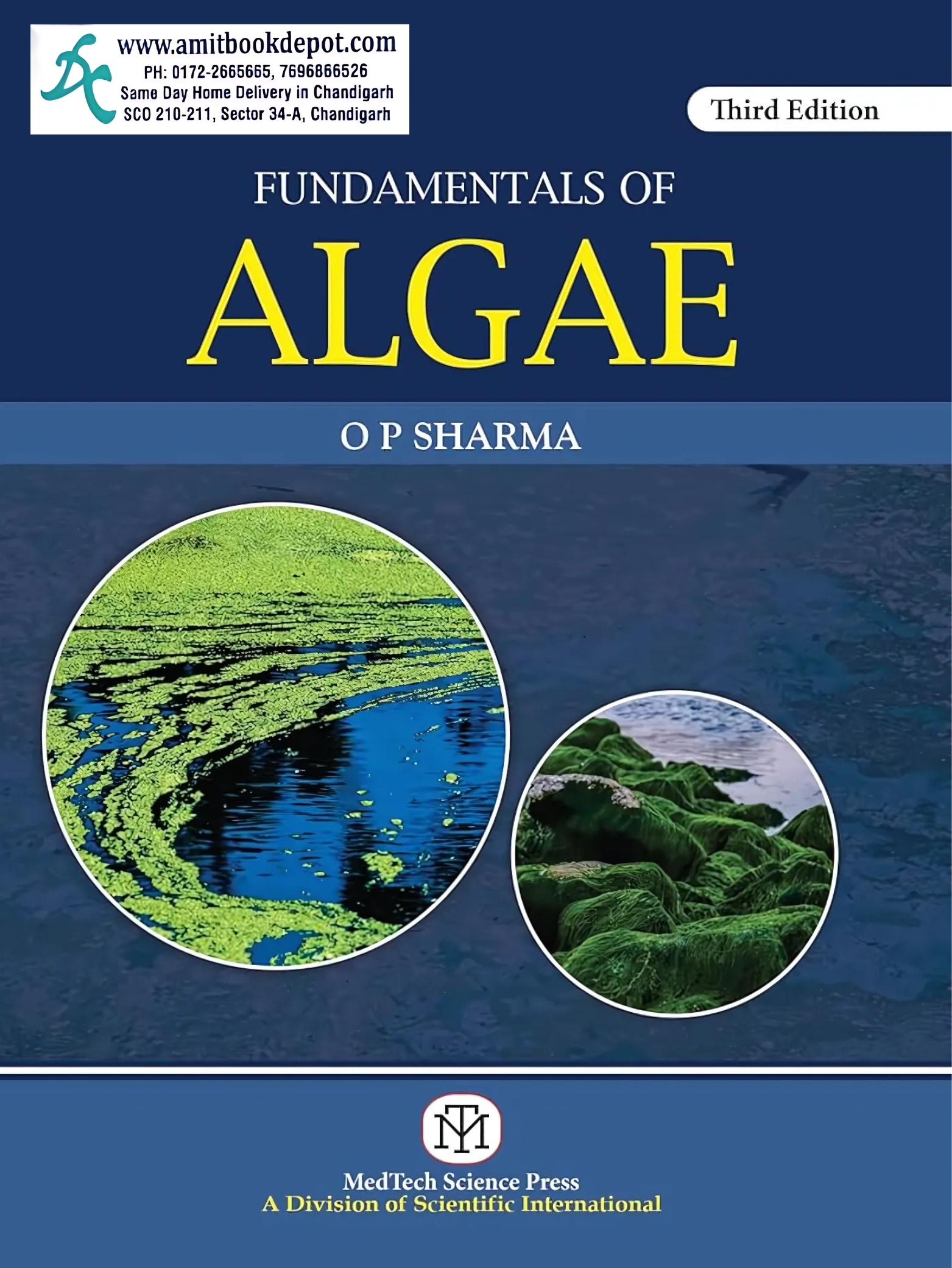


The book is designed primarily for advanced undergraduate and postgraduate students, researchers, and professionals in botany, microbiology, environmental science, and biotechnology who seek an in-depth understanding of phycology.
Yes, it seamlessly integrates fundamental biological concepts with applied topics such as biotechnology, biofuel production, water quality management, and ecological applications.
Absolutely. The 3rd edition is updated with the latest research, data, and developments in algae science to provide current and comprehensive coverage.
The book provides comprehensive chapters on all major algal classes, including Cyanobacteria, Chlorophyceae, Xanthophyceae, Chrysophyceae, Bacillariophyceae, Cryptophyceae, Dinophyceae, Euglenophyceae, Phaeophyceae, and Rhodophyceae, highlighting their morphology, reproduction, and ecology.
Absolutely. The sections on algae in water supplies, pollution indicators, and control of algal nuisances make it a valuable resource for environmental managers and water treatment professionals.
Yes, it features a comprehensive glossary and multiple appendices that serve as quick-reference guides and supplementary resources for students and researchers.
Yes, detailed chapters on inorganic nutrients, vitamins, nitrogen fixation, movements, and rhythms provide thorough insights into algal physiology and metabolic processes.
The book offers a systematic classification framework, including the latest taxonomic updates and the evolutionary relationships among various algal groups.
Yes, Chapter 21 discusses laboratory culture techniques and commercial cultivation methods, emphasizing their relevance to industry and research.
Certainly. Its detailed discussions on algal ecology, water blooms, red tides, and pollution indicators make it a valuable resource for environmental impact studies involving aquatic ecosystems.
No Description Added
The book is designed primarily for advanced undergraduate and postgraduate students, researchers, and professionals in botany, microbiology, environmental science, and biotechnology who seek an in-depth understanding of phycology.
Yes, it seamlessly integrates fundamental biological concepts with applied topics such as biotechnology, biofuel production, water quality management, and ecological applications.
Absolutely. The 3rd edition is updated with the latest research, data, and developments in algae science to provide current and comprehensive coverage.
The book provides comprehensive chapters on all major algal classes, including Cyanobacteria, Chlorophyceae, Xanthophyceae, Chrysophyceae, Bacillariophyceae, Cryptophyceae, Dinophyceae, Euglenophyceae, Phaeophyceae, and Rhodophyceae, highlighting their morphology, reproduction, and ecology.
Absolutely. The sections on algae in water supplies, pollution indicators, and control of algal nuisances make it a valuable resource for environmental managers and water treatment professionals.
Yes, it features a comprehensive glossary and multiple appendices that serve as quick-reference guides and supplementary resources for students and researchers.
Yes, detailed chapters on inorganic nutrients, vitamins, nitrogen fixation, movements, and rhythms provide thorough insights into algal physiology and metabolic processes.
The book offers a systematic classification framework, including the latest taxonomic updates and the evolutionary relationships among various algal groups.
Yes, Chapter 21 discusses laboratory culture techniques and commercial cultivation methods, emphasizing their relevance to industry and research.
Certainly. Its detailed discussions on algal ecology, water blooms, red tides, and pollution indicators make it a valuable resource for environmental impact studies involving aquatic ecosystems.