-
Mon-Fri: 10AM to 8PM 01722665665
-
My Account
-
-
0
Total :
₹ 0.00

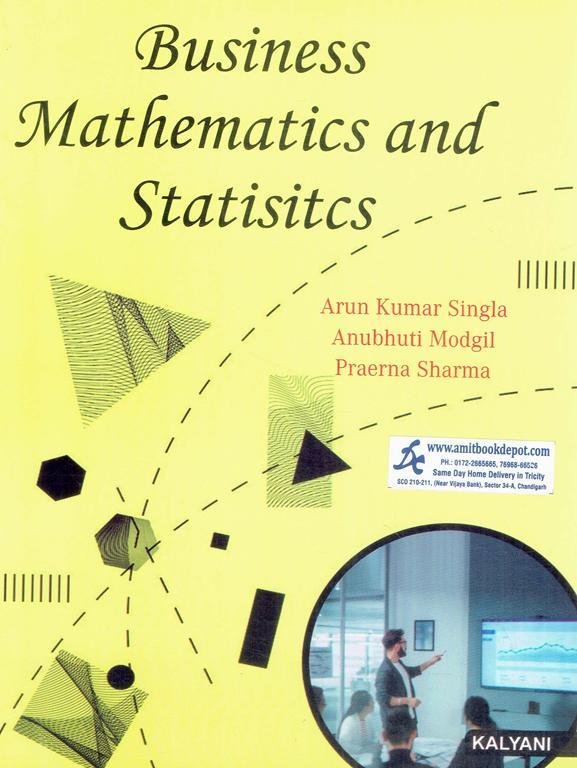
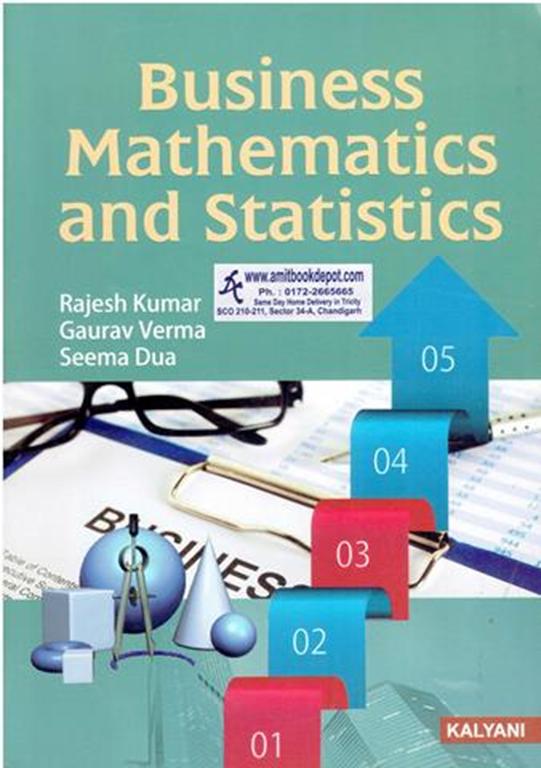
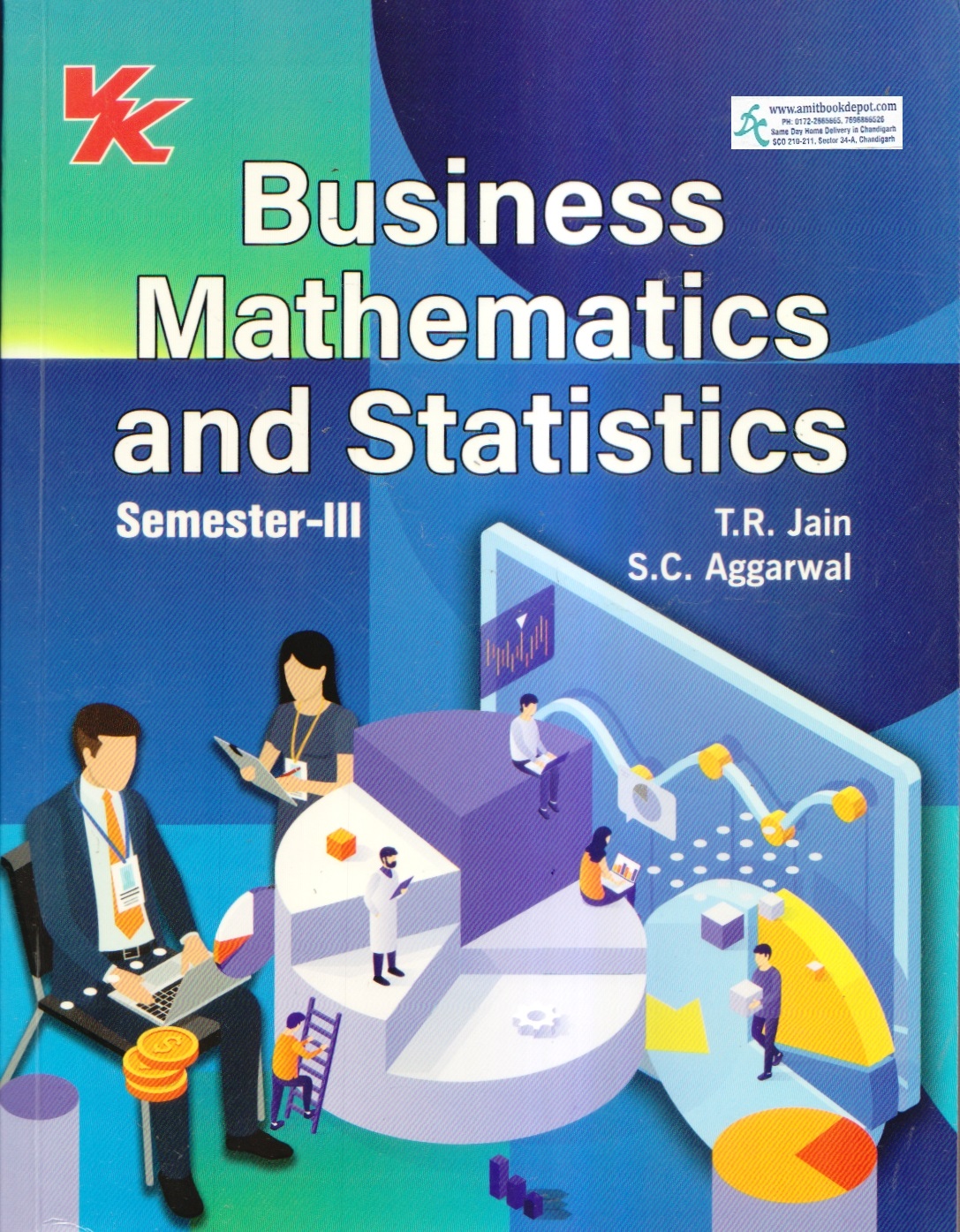
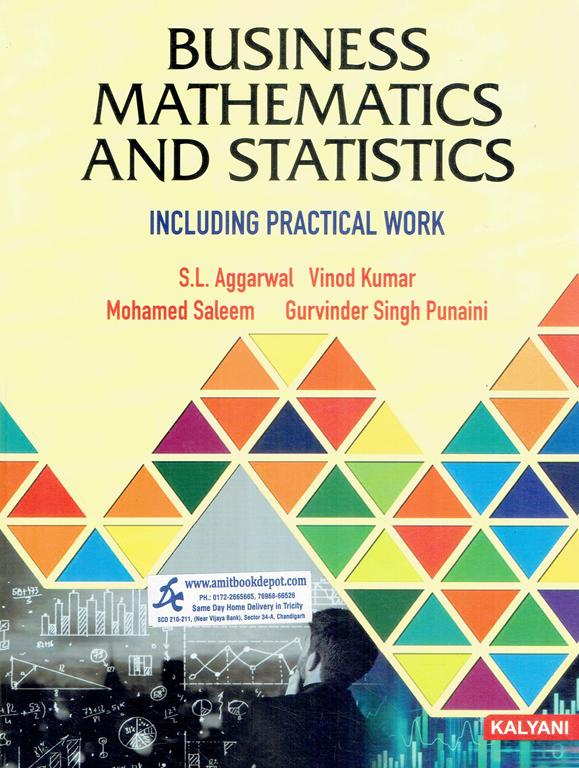
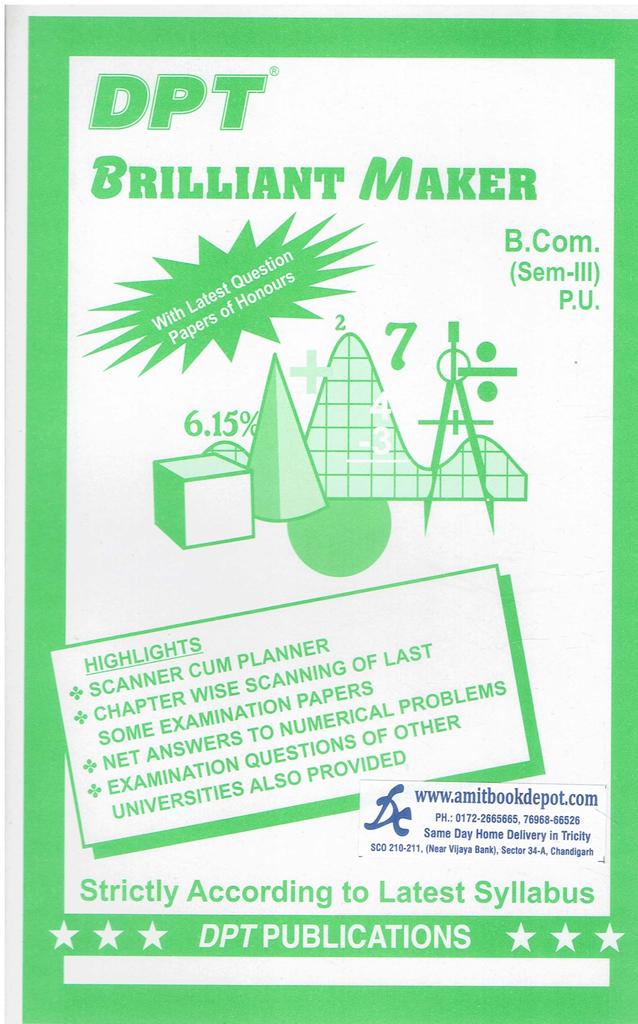
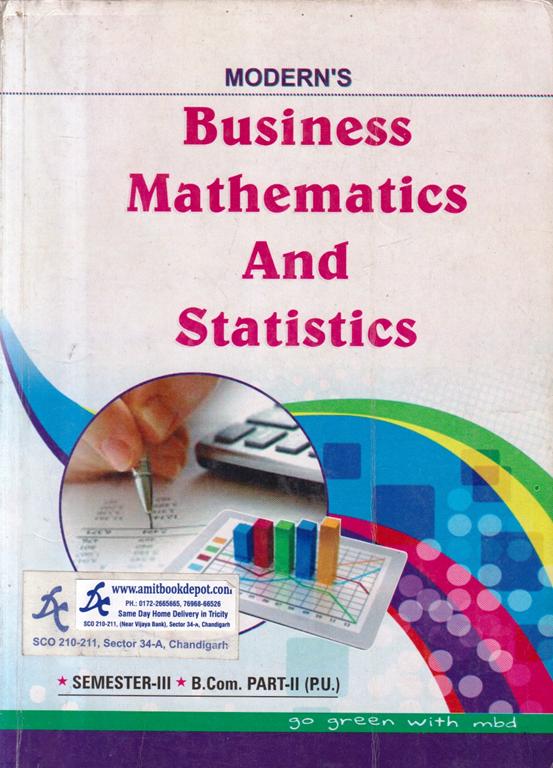
Yes, this book is meticulously crafted to cover 100% of the latest prescribed syllabus for B.Com 3rd Semester, course code BCM 304, as issued by Panjab University Chandigarh.
Yes, the book provides guidance on the practical work component, specifically addressing the use of Microsoft Excel for the collection, classification, and presentation of data.
The book contains a dedicated section with "Previous Years' Panjab University Question Papers," typically including several years' papers to help you practice and understand the exam pattern.
Absolutely. The chapter on Index Numbers comprehensively covers the meaning, types, and methods of construction, including both Simple and Aggregate methods, as required by the PU Chandigarh syllabus.
Yes, there are dedicated chapters on Skewness and Kurtosis that explain these concepts of data distribution shape in detail, complete with examples to aid understanding.
The book covers the definition of a matrix, various types of matrices, algebra of matrices, properties of determinants, and the calculation of determinants up to the third order, including finding the adjoint and inverse of a matrix.
Yes, the chapter on the Analysis of Time Series covers the components, models, and the specific methods for fitting both Linear and Quadratic Trends as per the syllabus.
While it is tailored for PU Chandigarh students, the clear explanation of fundamental topics in Business Mathematics and Statistics makes it a good resource for students of other universities with similar syllabi or for professionals looking for a refresher.
Yes, the book includes a section of Statistical Tables at the end, which are essential for solving problems in the examination.
The book covers the concept of derivatives and then directly applies them to find the Maxima and Minima of functions, which is crucial for solving business problems related to profit maximization and cost minimization.
No Description Added
Yes, this book is meticulously crafted to cover 100% of the latest prescribed syllabus for B.Com 3rd Semester, course code BCM 304, as issued by Panjab University Chandigarh.
Yes, the book provides guidance on the practical work component, specifically addressing the use of Microsoft Excel for the collection, classification, and presentation of data.
The book contains a dedicated section with "Previous Years' Panjab University Question Papers," typically including several years' papers to help you practice and understand the exam pattern.
Absolutely. The chapter on Index Numbers comprehensively covers the meaning, types, and methods of construction, including both Simple and Aggregate methods, as required by the PU Chandigarh syllabus.
Yes, there are dedicated chapters on Skewness and Kurtosis that explain these concepts of data distribution shape in detail, complete with examples to aid understanding.
The book covers the definition of a matrix, various types of matrices, algebra of matrices, properties of determinants, and the calculation of determinants up to the third order, including finding the adjoint and inverse of a matrix.
Yes, the chapter on the Analysis of Time Series covers the components, models, and the specific methods for fitting both Linear and Quadratic Trends as per the syllabus.
While it is tailored for PU Chandigarh students, the clear explanation of fundamental topics in Business Mathematics and Statistics makes it a good resource for students of other universities with similar syllabi or for professionals looking for a refresher.
Yes, the book includes a section of Statistical Tables at the end, which are essential for solving problems in the examination.
The book covers the concept of derivatives and then directly applies them to find the Maxima and Minima of functions, which is crucial for solving business problems related to profit maximization and cost minimization.