Categories
College Bookssss >
BA PU Chandigarh
BSC PU Chandigarh
MSC PU Chandigarh
BBA PU Chandigarh
MA PU Chandigarh
Medical Books
Engineering Books
Management Books
PGDCA Books
BCOM PU Chandigarh
MCOM PU Chandigarh
BCA PU Chandigarh
MCA PU Chandigarh
animate-books

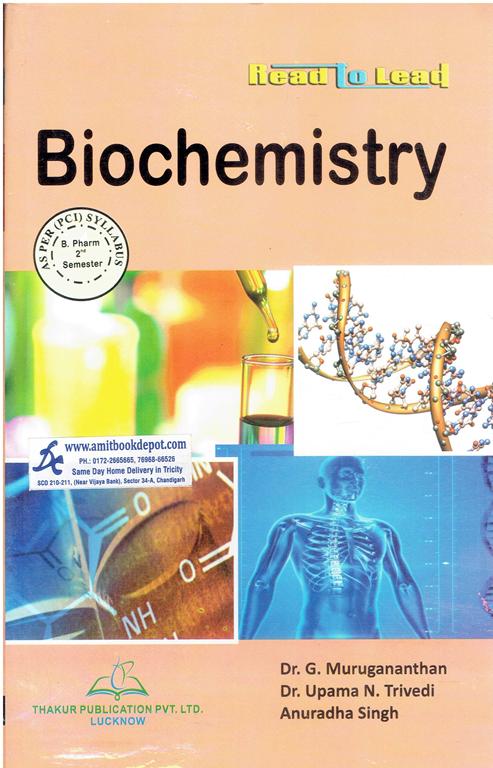
Biochemistry For B Pharma 2nd Semester PTU

by Madhurima
₹200 ₹200.00(-/ off)

Rating & Reviews

23 Customer Review

Biochemistry for B.Pharm 2nd Semester PTU by Dr. G. Murugananthan et al., published by Thakur Publishers, is the definitive book tailored to the latest PTU syllabus (BP203T). This comprehensive guide covers all vital topics—from biomolecules, bioenergetics, and carbohydrate metabolism (glycolysis, TCA cycle) to lipid & amino acid metabolism, nucleic acid biochemistry, genetic information transfer (DNA replication, protein synthesis), and enzymes. Designed for clarity and depth, it integrates clinical correlations and pharmaceutical applications. With structured chapters, summaries, and exercises, this book is an essential resource for PTU pharmacy students to master core biochemical concepts and excel in their academics.

Have Doubts Regarding This Product ? Ask Your Question

  • Q1
    Is this book strictly based on the latest PTU B.Pharm 2nd Semester syllabus?
    A1

    Yes, this textbook is meticulously crafted to cover the entire latest prescribed syllabus for Biochemistry (BP203T) for Punjab Technical University's B.Pharm second semester.

  • Q2
    Does it cover topics like the HMP shunt and Glycogen Storage Diseases (GSD)?
    A2

    Absolutely. The book has dedicated sections within Carbohydrate Metabolism that cover the HMP shunt pathway, its significance, Glucose-6-Phosphate Dehydrogenase (G6PD) deficiency, glycogen metabolism, and Glycogen Storage Diseases in detail.

  • Q3
    Are metabolic disorders like Phenylketonuria (PKU) and Gout explained in the context of biochemistry?
    A3

    Yes, the book emphasizes clinical correlations. Disorders like PKU, Alkaptonuria, Gout, Hyperuricemia, Ketoacidosis, and Fatty Liver are explained as part of the relevant metabolic pathway discussions in the Amino Acid, Nucleic Acid, and Lipid Metabolism chapters.

  • Q4
    How does the book explain complex processes like the Electron Transport Chain (ETC) and Oxidative Phosphorylation?
    A4

    The Biological Oxidation chapter provides a detailed, stepwise mechanism of the ETC, including its components, mitochondrial organization, energetics, and inhibitors. It clearly differentiates between oxidative and substrate-level phosphorylation.

  • Q5
    Is the genetic information transfer unit up-to-date and comprehensive?
    A5

    Yes, Unit IV provides a thorough explanation of the mammalian genome organization, DNA/RNA structure and function, the semi-conservative model of DNA replication, transcription, the genetic code, translation (protein synthesis), and relevant inhibitors.

  • Q6
    Does the enzyme chapter include therapeutic and diagnostic applications?
    A6

    Yes, a dedicated section in the Enzyme chapter covers the therapeutic and diagnostic applications of enzymes and isoenzymes, which is a crucial part of the syllabus and pharmaceutical practice.

  • Q7
    Are coenzymes and their biochemical functions covered?
    A7

    Yes, a separate sub-section on Coenzymes is included, detailing their introduction, classification, structure, and biochemical functions as per the syllabus requirements.

  • Q8
    Is the chapter on Bioenergetics easy to understand for beginners?
    A8

    The book explains fundamental concepts of bioenergetics—such as free energy (Gibbs energy), endergonic/exergonic reactions, redox potential, and the role of ATP/ADP and cAMP—in a clear, structured manner suitable for students new to the subject.

  • Q9
    Does it cover hormone regulation in biochemistry, such as blood glucose regulation?
    A9

    Yes, the Carbohydrate Metabolism chapter includes a specific section on the hormonal regulation of blood glucose levels and its connection to Diabetes Mellitus.

  • Q10
    Are enzyme kinetics graphs like Michaelis-Menten and Lineweaver-Burk plots explained?
    A10

    Yes, the Enzyme Kinetics section includes detailed explanations and significance of both the Michaelis-Menten plot and the Lineweaver-Burk double reciprocal plot.

0.00

0 Overall Rating
  • 5
    0
  • 4
    0
  • 3
    0
  • 2
    0
  • 1
    0

Try this product & share your review & thoughts

Chapter 1: Biomolecules

1.1. Biomolecules

1.1.1. Introduction
1.1.2. Micromolecules
1.1.3. Macromolecules

1.2. Carbohydrates

1.2.1. Introduction
1.2.2. Classification
1.2.2.1. Classification on the Basis of Complexity
1.2.2.2. Classification on the Basis of Reactivity
1.2.2.3. Classification on the Basis of Functional Groups
1.2.3. Chemical Nature
1.2.4. Biological Role

1.3. Lipids

1.3.1. Introduction
1.3.2. Classification
1.3.3. Chemical Nature
1.3.4. Biological Role

1.4. Nucleic Acids

1.4.1. Introduction
1.4.2. Chemical Nature
1.4.3. Biological Role of DNA
1.4.4. Biological Role of RNA

1.5. Amino Acids

1.5.1. Introduction
1.5.2. Classification
1.5.2.1. On the Basis of Carbon Chain Present
1.5.2.1. On the Basis of Nutritional Requirement
1.5.2.2. On the Basis of Polarity
1.5.3. Chemical Nature
1.5.4. Biological Role

1.6. Proteins

1.6.1. Introduction
1.6.2. Classification
1.6.3. Chemical Nature (Structure)
1.6.3.1. Primary Structure
1.6.3.2. Secondary Structure
1.6.3.3. Tertiary Structure
1.6.3.4. Quaternary Structure
1.6.4. Biological Role 

1.7. Summary
1.8. Exercise


Chapter 2: Bioenergetics

2.1. Bioenergetics

2.1.1. Introduction
2.1.2. Concept of Free Energy
2.1.2.1. Gibb's Free Energy
2.1.2.2. Endergonic and Exergonic Reactions
2.1.2.3. Relationship among Free Energy, Enthalpy, and Entropy
2.1.2.4. Redox Potential
2.1.3. Energy-Rich Compounds
2.1.3.1. Classification
2.1.3.2. High-Energy Bonds
2.1.3.3. Reactions Involving Energy-Rich Compounds
2.1.4. Adenosine Triphosphate (ATP)
2.1.4.1. ATP-ADP Cycle
2.1.4.2. Production
2.1.4.3. Biological Significance
2.1.5. Cyclic Adenosine Monophosphate (cAMP)
2.1.5.1. Production
2.1.5.2. Biological Significance

2.2. Summary
2.3. Exercise


Chapter 3: Carbohydrate Metabolism

3.1. Carbohydrate Metabolism

3.1.1. Introduction
3.1.2. Major Pathways of Carbohydrate Metabolism
3.1.3. Glycolysis
3.1.3.1. Pathway
3.1.3.2. Energetics
3.1.3.3. Significance
3.1.4. Citric Acid Cycle
3.1.4.1. Pathway
3.1.4.2. Energetics
3.1.4.3. Significance
3.1.5. HMP Shunt
3.1.5.1. Oxidative Phase
3.1.5.2. Non-Oxidative Phase
3.1.5.3. Significance
3.1.5.4. Glucose-6-Phosphate Dehydrogenase (G6PD) Deficiency
3.1.6. Glycogen Metabolism Pathways
3.1.6.1. Glycogenesis
3.1.6.2. Glycogenolysis
3.1.6.3. Glycogen Storage Diseases (GSD)
3.1.7. Gluconeogenesis
3.1.7.1. Pathway
3.1.7.2. Significance
3.1.8. Hormonal Regulation of Blood Glucose Level
3.1.9. Diabetes Mellitus (DM)

3.2. Summary
3.3. Exercise


Chapter 4: Biological Oxidation

4.1. Biological Oxidation

4.1.1. Introduction
4.1.2. ATP Synthesis
4.1.2.1. Substrate-Level Phosphorylation
4.1.2.2. Oxidative Phosphorylation
4.1.2.3. Difference between Substrate-Level Phosphorylation and Oxidative Phosphorylation

4.2. Oxidative Phosphorylation

4.2.1. Introduction
4.2.2. Mechanism
4.2.3. Electron Transport Chain (ETC)/Respiratory Chain
4.2.3.1. Components
4.2.3.2. Mitochondrial Organization
4.2.3.3. Mechanism
4.2.3.4. Significance
4.2.3.5. Energetics
4.2.3.6. Inhibitors
4.2.4. Inhibitors of Oxidative Phosphorylation/Uncouplers

4.3. Summary
4.4. Exercise


Chapter 5: Lipid Metabolism

5.1. Lipid Metabolism

5.1.1. Introduction
5.1.2. Fatty Acids
5.1.2.1. Saturated Fatty Acids
5.1.2.2. Unsaturated Fatty Acids
5.1.3. Metabolism of Fatty Acids
5.1.3.1. β-Oxidation of Saturated Fatty Acid (Palmitic Acid)
5.1.3.2. a-Oxidation of Fatty Acids
5.1.3.3. ω-Oxidation of Fatty Acids
5.1.4. The de novo Synthesis of Fatty Acid (Palmitic Acid) 

5.2. Metabolism of Ketone Bodies 

5.2.1. Introduction 
5.2.2. Formation of Ketone Bodies (Ketogenesis) 
5.2.3. Utilization of Ketone Bodies 
5.2.4. Clinical Significance of Ketone Bodies 
5.2.5. Ketoacidosis

5.3. Metabolism of Cholesterol

5.3.1. Introduction
5.3.2. Biosynthesis
5.3.3. Degradation
5.3.3.1. Conversion of Cholesterol into Bile Acids
5.3.3.2. Conversion of Cholesterol into Steroid Hormone
5.3.3.3. Conversion of Cholesterol into Vitamin D
5.3.4. Clinical Significance

5.4. Disorders of Lipid Metabolism

5.4.1. Introduction
5.4.2. Hypercholesterolemia
5.4.3. Atherosclerosis
5.4.4. Fatty Liver
5.4.5. Obesity

5.5. Summary
5.6. Exercise

Chapter 6: Amino Acid Metabolism

6.1. Amino Acid Metabolism

6.1.1. Introduction
6.1.2. General Reactions of Amino Acid Metabolism
6.1.2.1. Transamination
6.1.2.2. Deamination
6.1.2.3. Decarboxylation
6.1.3. Urea Cycle
6.1.3.1. Reaction Energetics
6.1.3.2. Regulation of Urea Cycle
6.1.3.3. Disorders of the Urea Cycle

6.2. Catabolism of Phenylalanine and Tyrosine

6.2.1. Introduction
6.2.2. Conversion of Phenylalanine to Tyrosine
6.2.3. Degradation of Phenylalanine and Tyrosine
6.2.4. Metabolic Disorders
6.2.4.1. Phenylketonuria (PKU)
6.2.4.2. Albinism
6.2.4.3. Alkaptonuria (Black Urine Disease)
6.2.4.4. Tyrosinemia
6.2.5. Synthesis and Significance of Biological Substances
6.2.5.1. 5-HT (Hydroxy Tryptophan)
6.2.5.2. Melatonin
6.2.5.3. Catecholamine (Dopamine, Norepinephrine, and Epinephrine)

6.3. Catabolism of Heme

6.3.1. Introduction
6.3.2. Synthesis of Heme
6.3.3. Degradation of Heme
6.3.4. Hyperbilirubinemia
6.3.5. Jaundice

6.4. Summary
6.5. Exercise


Chapter 7: Nucleic Acid Metabolism

7.1. Nucleic Acid Metabolism

7.1.1. Introduction
7.1.2. Structural Components of Nucleic Acids
7.1.3. Nucleotides

7.2. Nucleotide Biosynthesis

7.2.1. Introduction
7.2.2. Biosynthesis of Purine Nucleotides
7.2.2.1. De novo Pathway of Purine Synthesis
7.2.2.2. Salvage Pathway of Purine Synthesis
7.2.2.3. Regulation of Purine Nucleotide Synthesis
7.2.3. Biosynthesis of Pyrimidine Nucleotides
7.2.3.1. De novo Pathway of Pyrimidine Synthesis
7.2.3.2. Salvage Pathway of Pyrimidine Synthesis
7.2.3.3. Regulation of Pyrimidine Synthesis

7.3. Degradation of Nucleotides 

7.3.1. Introduction
7.3.2. Catabolism of Purine Nucleotides
7.3.2.1. Disorders of Purine Catabolism
7.3.2.2. Hyperuricemia
7.3.2.3. Gout Disease
7.3.3. Catabolism of Pyrimidine Nucleotides

7.4. Summary
7.5. Exercise


Chapter 8: Genetic Information Transfer

8.1. Genetics

8.1.1. Introduction
8.1.2. DNA (Deoxyribonucleic Acid)
8.1.2.1. Components
8.1.2.2. Structure
8.1.2.3. Types
8.1.2.4. Functions
8.1.3. RNA (Ribonucleic Acid)
8.1.3.1. Components
8.1.3.2. Structure
8.1.3.3. Types
8.1.3.4. Functions

8.2. Genetic Information Transfer

8.2.1. Introduction
8.2.2. Central Dogma
8.2.3. Gene Expression
8.2.4. DNA Replication 
8.2.4.1. Models for DNA Replication
8.2.4.2. Process of DNA Replication
8.2.4.3. Termination of Replication
8.2.4.4. Inhibitors of DNA Replication
8.2.5. Transcription (RNA Synthesis)
8.2.5.1. Process of Transcription
8.2.5.2. Post-Transcriptional Modifications
8.2.5.3. Inhibitors of Transcription
8.2.6. Genetic Code
8.2.6.1. Characteristics
8.2.6.2. Codon-Anticodon Recognition
8.2.6.3. Wobble Hypothesis
8.2.7. Translation (Protein Synthesis)
8.2.7.1. Requirements of Protein Synthesis
8.2.7.2. Stages of Translation
8.2.7.3. Post-Translational Modifications
8.2.7.4. Protein Synthesis Inhibitors
8.2.8. Mutation

8.3. Genetic Organization of the Mammalian Genome

8.3.1. Introduction
8.3.2. Eukaryotic Genes Are Interrupted (Split Genes)
8.3.2.1. Size of Eukaryotic Genes
8.3.2.2. Eukaryotic DNA Contains Repetitive Sequences
8.3.2.3. Eukaryotic DNA Is Associated with Proteins
8.3.2.4. Histone Genes

8.4. Summary
8.5. Exercise


Chapter 9: Enzymes

9.1. Enzymes

9.1.1. Introduction
9.1.2. Properties
9.1.3. Nomenclature and IUB Classification
9.1.4. Mechanism of Enzyme Action
9.1.4.1. Enzyme-Substrate Complex Formation
9.1.4.2. Lowering of Activation Energy
9.1.5. Enzyme Kinetics
9.1.5.1. Michaelis-Menten Plot
9.1.5.2. Lineweaver-Burk Double Reciprocal Plot (Significance of Michaelis-Menten Equation)
9.1.6. Factors Affecting Enzyme Activity
9.1.7. Mechanism of Enzyme Catalysis
9.1.8. Enzyme Inhibitor
9.1.8.1. Reversible Inhibition
9.1.8.2. Irreversible Inhibition
9.1.8.3. Allosteric Inhibition
9.1.9. Regulation of Enzymes
9.1.9.1. Altering the Synthesis and Degradation Rate of Enzymes
9.1.9.2. Enzyme Induction
9.1.9.4. Allosteric Enzyme Regulation
9.1.9.3. Enzyme Repression
9.1.9.5. Feedback Regulation
9.1.9.6. Proenzyme (Zymogen)
9.1.9.7. Covalent Modifications
9.1.9.8. Protein-Protein Interaction
9.1.10. Therapeutic & Diagnostic Applications of Enzymes
9.1.11. Isoenzymes

9.2. Coenzymes

9.2.1. Introduction
9.2.2. Classification
9.2.3. Structure and Biochemical Functions

9.3. Summary
9.4. Exercise

Latest Syllabus of Biochemistry For B Pharma 2nd Semester PTU


BP203 T. BIOCHEMISTRY (Theory) (45 Hours)

Scope: Biochemistry deals with complete understanding of the molecular levels of the chemical processes associated with living cells. The scope of the subject is providing biochemical facts and the principles to understand metabolism of nutrient molecules in physiological and pathological conditions. It is also emphasizing the genetic organization of the mammalian genome and hetero- and autocatalytic functions of DNA.

Objectives: Upon completion of the course, the student shall be able to

1. Understand the catalytic role of enzymes, the importance of enzyme inhibitors in the design of new drugs, and the therapeutic and diagnostic applications of enzymes.
2. Understand the metabolism of nutrient molecules in physiological and pathological conditions.
3. Understand the genetic organization of the mammalian genome and the functions of DNA in the synthesis of RNAs and proteins.

Course Content:
UNIT I (08 Hours)

- Biomolecules
Introduction, classification, chemical nature, and biological role of carbohydrates, lipids, nucleic acids, amino acids, and proteins. 

- Bioenergetics
Concept of free energy, endergonic and exergonic reactions, relationship between free energy, enthalpy, and entropy; redox potential. Energy-rich compounds, classification, and biological significances of ATP and cyclic AMP.

UNIT II (10 Hours)

- Carbohydrate metabolism
Glycolysis—Pathway, energetics, and significance Citric acid cycle—Pathway, energetics, and significance HMP shunt and its significance; Glucose-6-Phosphate dehydrogenase (G6PD) deficiency Glycogen metabolism pathways and glycogen storage diseases (GSD) Gluconeogenesis—Pathway and Its Significance
Hormonal regulation of blood glucose level and diabetes mellitus.

- Biological oxidation Electron transport chain (ETC) and its mechanism. Oxidative phosphorylation & its mechanism and substrate phosphorylation Inhibitors of ETC and oxidative phosphorylation/uncouplers level.

UNIT III (10 Hours) 

- Lipid metabolism
β-Oxidation of saturated fatty acid (palmitic acid) Formation and utilization of ketone bodies; ketoacidosis De novo synthesis of fatty acids (palmitic acid) Biological significance of cholesterol and conversion of cholesterol into bile acids, steroid hormones, and vitamin D Disorders of lipid metabolism: hypercholesterolemia, atherosclerosis, fatty liver, and obesity. 

- Amino acid metabolism
General reactions of amino acid metabolism: transamination, deamination & decarboxylation, the urea cycle and its disorders Catabolism of phenylalanine and tyrosine and their metabolic disorders (phenylketonuria, albinism, alkaptonuria, tyrosinemia) Synthesis and significance of biological substances: 5-HT, melatonin,
dopamine, noradrenaline, adrenaline Catabolism of heme, hyperbilirubinemia, and jaundice.

UNIT IV (10 Hours)

- Nucleic acid metabolism and genetic information transfer Biosynthesis of purine and pyrimidine nucleotides Catabolism of purine nucleotides and hyperuricemia and gout disease Organization of the mammalian genome Structure of DNA and RNA and their functions DNA replication (semi-conservative model) Transcription, or RNA synthesis, Genetic code, translation or protein synthesis, and inhibitors.

UNIT V (07 Hours)

- Enzymes
Introduction, properties, nomenclature, and IUB classification of enzymes Enzyme kinetics (Michaelis plot, Lineweaver-Burke plot) Enzyme inhibitors with examples
Regulation of enzymes: enzyme induction and repression, allosteric enzyme regulation Therapeutic and diagnostic applications of enzymes and isoenzymes Coenzymes—Structure and Biochemical Functions

Product Title: Biochemistry for B. Pharm 2nd Semester PTU (Punjab Technical University)—As per Latest Syllabus BP203T
Authors: Dr. G. Murugananthan, Dr. Upama N. Trivedi, Anuradha Singh
Publisher: Thakur Publishers

Master the Core Principles of Pharmaceutical Biochemistry with This Comprehensive Book

"Biochemistry for B. Pharm 2nd Semester PTU" is an indispensable academic resource meticulously crafted to align with the prescribed curriculum for Bachelor of Pharmacy second-semester students at Punjab Technical University (PTU). Authored by the expert team of Dr. G. Murugananthan, Dr. Upama N. Trivedi, and Anuradha Singh, and published by Thakur Publishers, this book serves as a definitive guide to understanding the molecular foundations of life and their critical relevance to pharmacy.

Structured for Academic Excellence and Syllabus Compliance

This book is designed with a clear, structured approach that mirrors the official PTU syllabus (BP203 T Biochemistry). It systematically covers all five units mandated by the university, ensuring students have a complete and syllabus-specific resource. The content progresses logically from foundational biomolecules to complex metabolic pathways and genetic mechanisms, facilitating step-by-step learning and concept reinforcement.

Comprehensive Coverage of Key Biochemical Domains

Unit I – Biomolecules & Bioenergetics: Delve into the chemical nature, classification, and biological roles of essential biomolecules—carbohydrates, lipids, nucleic acids, amino acids, and proteins. Grasp the fundamentals of bioenergetics, including free energy concepts, redox potential, and the pivotal biological roles of ATP and cyclic AMP.

Unit II – Carbohydrate Metabolism & Biological Oxidation: Gain in-depth knowledge of central metabolic pathways. Detailed chapters on glycolysis, the citric acid cycle (Krebs cycle), the HMP shunt (including G6PD deficiency), glycogen metabolism, gluconeogenesis, and hormonal regulation of blood glucose provide a thorough understanding of carbohydrate biochemistry. The section on biological oxidation elucidates the electron transport chain (ETC), oxidative phosphorylation mechanisms, and their inhibitors.

Unit III – Lipid & Amino Acid Metabolism: Explore the metabolism of lipids, including β-oxidation of fatty acids, ketone body metabolism, cholesterol biosynthesis, and associated disorders like atherosclerosis and fatty liver. The amino acid metabolism section covers transamination, deamination, the urea cycle, and the catabolism of specific amino acids like phenylalanine and tyrosine, linking them to metabolic disorders such as phenylketonuria (PKU) and alkaptonuria.

Unit IV – Nucleic Acid Metabolism & Genetic Information Transfer: Understand the biosynthesis and catabolism of purine and pyrimidine nucleotides, with clinical correlates like gout and hyperuricemia. The book provides a clear exposition of the genetic organization of the mammalian genome, DNA/RNA structure, DNA replication (semi-conservative model), transcription, the genetic code, translation, and protein synthesis inhibitors.

Unit V – Enzymes: This unit focuses on the catalysts of life, covering enzyme properties, kinetics (Michaelis-Menten and Lineweaver-Burk plots), enzyme inhibition, and regulation mechanisms. It emphasizes the therapeutic and diagnostic applications of enzymes and isoenzymes, directly linking theory to pharmaceutical practice.

Pedagogical Features for Enhanced Learning

Each chapter is thoughtfully organized with an introduction, detailed sub-sections, a concise summary, and end-of-chapter exercises. This structure aids in breaking down complex topics, consolidating knowledge, and enabling self-assessment. Clinical significance and disorders are integrated throughout, highlighting the practical and pathological aspects of biochemistry crucial for pharmacy students.

Key Features of the Book:

1. PTU Syllabus-Centric: Fully covers the latest PTU B.Pharm 2nd Semester Biochemistry syllabus (BP203T).
2. Comprehensive & Clear: Presents complex biochemical concepts in a lucid, student-friendly manner.
3. Structured Content: Logical flow from basic biomolecules to advanced metabolic and genetic processes.
4. Clinical & Pharmaceutical Relevance: Integrates discussions on metabolic disorders, enzyme applications, and drug targets (e.g., enzyme inhibitors).
5. Exam-Oriented: Chapter summaries and exercises help in effective revision and exam preparation.
6. Authored by Experts: Written by experienced academicians, ensuring accuracy and depth.

This book is more than just a guide for passing exams; it is a foundational tool for building a strong understanding of biochemistry, essential for future courses in pharmacology, medicinal chemistry, and clinical pharmacy. It is the ideal companion for PTU B.Pharm students aiming for academic success and a robust grasp of biochemical principles in pharmaceuticals.

Chapter 1: Biomolecules

1.1. Biomolecules

1.1.1. Introduction
1.1.2. Micromolecules
1.1.3. Macromolecules

1.2. Carbohydrates

1.2.1. Introduction
1.2.2. Classification
1.2.2.1. Classification on the Basis of Complexity
1.2.2.2. Classification on the Basis of Reactivity
1.2.2.3. Classification on the Basis of Functional Groups
1.2.3. Chemical Nature
1.2.4. Biological Role

1.3. Lipids

1.3.1. Introduction
1.3.2. Classification
1.3.3. Chemical Nature
1.3.4. Biological Role

1.4. Nucleic Acids

1.4.1. Introduction
1.4.2. Chemical Nature
1.4.3. Biological Role of DNA
1.4.4. Biological Role of RNA

1.5. Amino Acids

1.5.1. Introduction
1.5.2. Classification
1.5.2.1. On the Basis of Carbon Chain Present
1.5.2.1. On the Basis of Nutritional Requirement
1.5.2.2. On the Basis of Polarity
1.5.3. Chemical Nature
1.5.4. Biological Role

1.6. Proteins

1.6.1. Introduction
1.6.2. Classification
1.6.3. Chemical Nature (Structure)
1.6.3.1. Primary Structure
1.6.3.2. Secondary Structure
1.6.3.3. Tertiary Structure
1.6.3.4. Quaternary Structure
1.6.4. Biological Role 

1.7. Summary
1.8. Exercise


Chapter 2: Bioenergetics

2.1. Bioenergetics

2.1.1. Introduction
2.1.2. Concept of Free Energy
2.1.2.1. Gibb's Free Energy
2.1.2.2. Endergonic and Exergonic Reactions
2.1.2.3. Relationship among Free Energy, Enthalpy, and Entropy
2.1.2.4. Redox Potential
2.1.3. Energy-Rich Compounds
2.1.3.1. Classification
2.1.3.2. High-Energy Bonds
2.1.3.3. Reactions Involving Energy-Rich Compounds
2.1.4. Adenosine Triphosphate (ATP)
2.1.4.1. ATP-ADP Cycle
2.1.4.2. Production
2.1.4.3. Biological Significance
2.1.5. Cyclic Adenosine Monophosphate (cAMP)
2.1.5.1. Production
2.1.5.2. Biological Significance

2.2. Summary
2.3. Exercise


Chapter 3: Carbohydrate Metabolism

3.1. Carbohydrate Metabolism

3.1.1. Introduction
3.1.2. Major Pathways of Carbohydrate Metabolism
3.1.3. Glycolysis
3.1.3.1. Pathway
3.1.3.2. Energetics
3.1.3.3. Significance
3.1.4. Citric Acid Cycle
3.1.4.1. Pathway
3.1.4.2. Energetics
3.1.4.3. Significance
3.1.5. HMP Shunt
3.1.5.1. Oxidative Phase
3.1.5.2. Non-Oxidative Phase
3.1.5.3. Significance
3.1.5.4. Glucose-6-Phosphate Dehydrogenase (G6PD) Deficiency
3.1.6. Glycogen Metabolism Pathways
3.1.6.1. Glycogenesis
3.1.6.2. Glycogenolysis
3.1.6.3. Glycogen Storage Diseases (GSD)
3.1.7. Gluconeogenesis
3.1.7.1. Pathway
3.1.7.2. Significance
3.1.8. Hormonal Regulation of Blood Glucose Level
3.1.9. Diabetes Mellitus (DM)

3.2. Summary
3.3. Exercise


Chapter 4: Biological Oxidation

4.1. Biological Oxidation

4.1.1. Introduction
4.1.2. ATP Synthesis
4.1.2.1. Substrate-Level Phosphorylation
4.1.2.2. Oxidative Phosphorylation
4.1.2.3. Difference between Substrate-Level Phosphorylation and Oxidative Phosphorylation

4.2. Oxidative Phosphorylation

4.2.1. Introduction
4.2.2. Mechanism
4.2.3. Electron Transport Chain (ETC)/Respiratory Chain
4.2.3.1. Components
4.2.3.2. Mitochondrial Organization
4.2.3.3. Mechanism
4.2.3.4. Significance
4.2.3.5. Energetics
4.2.3.6. Inhibitors
4.2.4. Inhibitors of Oxidative Phosphorylation/Uncouplers

4.3. Summary
4.4. Exercise


Chapter 5: Lipid Metabolism

5.1. Lipid Metabolism

5.1.1. Introduction
5.1.2. Fatty Acids
5.1.2.1. Saturated Fatty Acids
5.1.2.2. Unsaturated Fatty Acids
5.1.3. Metabolism of Fatty Acids
5.1.3.1. β-Oxidation of Saturated Fatty Acid (Palmitic Acid)
5.1.3.2. a-Oxidation of Fatty Acids
5.1.3.3. ω-Oxidation of Fatty Acids
5.1.4. The de novo Synthesis of Fatty Acid (Palmitic Acid) 

5.2. Metabolism of Ketone Bodies 

5.2.1. Introduction 
5.2.2. Formation of Ketone Bodies (Ketogenesis) 
5.2.3. Utilization of Ketone Bodies 
5.2.4. Clinical Significance of Ketone Bodies 
5.2.5. Ketoacidosis

5.3. Metabolism of Cholesterol

5.3.1. Introduction
5.3.2. Biosynthesis
5.3.3. Degradation
5.3.3.1. Conversion of Cholesterol into Bile Acids
5.3.3.2. Conversion of Cholesterol into Steroid Hormone
5.3.3.3. Conversion of Cholesterol into Vitamin D
5.3.4. Clinical Significance

5.4. Disorders of Lipid Metabolism

5.4.1. Introduction
5.4.2. Hypercholesterolemia
5.4.3. Atherosclerosis
5.4.4. Fatty Liver
5.4.5. Obesity

5.5. Summary
5.6. Exercise

Chapter 6: Amino Acid Metabolism

6.1. Amino Acid Metabolism

6.1.1. Introduction
6.1.2. General Reactions of Amino Acid Metabolism
6.1.2.1. Transamination
6.1.2.2. Deamination
6.1.2.3. Decarboxylation
6.1.3. Urea Cycle
6.1.3.1. Reaction Energetics
6.1.3.2. Regulation of Urea Cycle
6.1.3.3. Disorders of the Urea Cycle

6.2. Catabolism of Phenylalanine and Tyrosine

6.2.1. Introduction
6.2.2. Conversion of Phenylalanine to Tyrosine
6.2.3. Degradation of Phenylalanine and Tyrosine
6.2.4. Metabolic Disorders
6.2.4.1. Phenylketonuria (PKU)
6.2.4.2. Albinism
6.2.4.3. Alkaptonuria (Black Urine Disease)
6.2.4.4. Tyrosinemia
6.2.5. Synthesis and Significance of Biological Substances
6.2.5.1. 5-HT (Hydroxy Tryptophan)
6.2.5.2. Melatonin
6.2.5.3. Catecholamine (Dopamine, Norepinephrine, and Epinephrine)

6.3. Catabolism of Heme

6.3.1. Introduction
6.3.2. Synthesis of Heme
6.3.3. Degradation of Heme
6.3.4. Hyperbilirubinemia
6.3.5. Jaundice

6.4. Summary
6.5. Exercise


Chapter 7: Nucleic Acid Metabolism

7.1. Nucleic Acid Metabolism

7.1.1. Introduction
7.1.2. Structural Components of Nucleic Acids
7.1.3. Nucleotides

7.2. Nucleotide Biosynthesis

7.2.1. Introduction
7.2.2. Biosynthesis of Purine Nucleotides
7.2.2.1. De novo Pathway of Purine Synthesis
7.2.2.2. Salvage Pathway of Purine Synthesis
7.2.2.3. Regulation of Purine Nucleotide Synthesis
7.2.3. Biosynthesis of Pyrimidine Nucleotides
7.2.3.1. De novo Pathway of Pyrimidine Synthesis
7.2.3.2. Salvage Pathway of Pyrimidine Synthesis
7.2.3.3. Regulation of Pyrimidine Synthesis

7.3. Degradation of Nucleotides 

7.3.1. Introduction
7.3.2. Catabolism of Purine Nucleotides
7.3.2.1. Disorders of Purine Catabolism
7.3.2.2. Hyperuricemia
7.3.2.3. Gout Disease
7.3.3. Catabolism of Pyrimidine Nucleotides

7.4. Summary
7.5. Exercise


Chapter 8: Genetic Information Transfer

8.1. Genetics

8.1.1. Introduction
8.1.2. DNA (Deoxyribonucleic Acid)
8.1.2.1. Components
8.1.2.2. Structure
8.1.2.3. Types
8.1.2.4. Functions
8.1.3. RNA (Ribonucleic Acid)
8.1.3.1. Components
8.1.3.2. Structure
8.1.3.3. Types
8.1.3.4. Functions

8.2. Genetic Information Transfer

8.2.1. Introduction
8.2.2. Central Dogma
8.2.3. Gene Expression
8.2.4. DNA Replication 
8.2.4.1. Models for DNA Replication
8.2.4.2. Process of DNA Replication
8.2.4.3. Termination of Replication
8.2.4.4. Inhibitors of DNA Replication
8.2.5. Transcription (RNA Synthesis)
8.2.5.1. Process of Transcription
8.2.5.2. Post-Transcriptional Modifications
8.2.5.3. Inhibitors of Transcription
8.2.6. Genetic Code
8.2.6.1. Characteristics
8.2.6.2. Codon-Anticodon Recognition
8.2.6.3. Wobble Hypothesis
8.2.7. Translation (Protein Synthesis)
8.2.7.1. Requirements of Protein Synthesis
8.2.7.2. Stages of Translation
8.2.7.3. Post-Translational Modifications
8.2.7.4. Protein Synthesis Inhibitors
8.2.8. Mutation

8.3. Genetic Organization of the Mammalian Genome

8.3.1. Introduction
8.3.2. Eukaryotic Genes Are Interrupted (Split Genes)
8.3.2.1. Size of Eukaryotic Genes
8.3.2.2. Eukaryotic DNA Contains Repetitive Sequences
8.3.2.3. Eukaryotic DNA Is Associated with Proteins
8.3.2.4. Histone Genes

8.4. Summary
8.5. Exercise


Chapter 9: Enzymes

9.1. Enzymes

9.1.1. Introduction
9.1.2. Properties
9.1.3. Nomenclature and IUB Classification
9.1.4. Mechanism of Enzyme Action
9.1.4.1. Enzyme-Substrate Complex Formation
9.1.4.2. Lowering of Activation Energy
9.1.5. Enzyme Kinetics
9.1.5.1. Michaelis-Menten Plot
9.1.5.2. Lineweaver-Burk Double Reciprocal Plot (Significance of Michaelis-Menten Equation)
9.1.6. Factors Affecting Enzyme Activity
9.1.7. Mechanism of Enzyme Catalysis
9.1.8. Enzyme Inhibitor
9.1.8.1. Reversible Inhibition
9.1.8.2. Irreversible Inhibition
9.1.8.3. Allosteric Inhibition
9.1.9. Regulation of Enzymes
9.1.9.1. Altering the Synthesis and Degradation Rate of Enzymes
9.1.9.2. Enzyme Induction
9.1.9.4. Allosteric Enzyme Regulation
9.1.9.3. Enzyme Repression
9.1.9.5. Feedback Regulation
9.1.9.6. Proenzyme (Zymogen)
9.1.9.7. Covalent Modifications
9.1.9.8. Protein-Protein Interaction
9.1.10. Therapeutic & Diagnostic Applications of Enzymes
9.1.11. Isoenzymes

9.2. Coenzymes

9.2.1. Introduction
9.2.2. Classification
9.2.3. Structure and Biochemical Functions

9.3. Summary
9.4. Exercise

Have Doubts Regarding This Product ? Ask Your Question

  • Q1
    Is this book strictly based on the latest PTU B.Pharm 2nd Semester syllabus?
    A1

    Yes, this textbook is meticulously crafted to cover the entire latest prescribed syllabus for Biochemistry (BP203T) for Punjab Technical University's B.Pharm second semester.

  • Q2
    Does it cover topics like the HMP shunt and Glycogen Storage Diseases (GSD)?
    A2

    Absolutely. The book has dedicated sections within Carbohydrate Metabolism that cover the HMP shunt pathway, its significance, Glucose-6-Phosphate Dehydrogenase (G6PD) deficiency, glycogen metabolism, and Glycogen Storage Diseases in detail.

  • Q3
    Are metabolic disorders like Phenylketonuria (PKU) and Gout explained in the context of biochemistry?
    A3

    Yes, the book emphasizes clinical correlations. Disorders like PKU, Alkaptonuria, Gout, Hyperuricemia, Ketoacidosis, and Fatty Liver are explained as part of the relevant metabolic pathway discussions in the Amino Acid, Nucleic Acid, and Lipid Metabolism chapters.

  • Q4
    How does the book explain complex processes like the Electron Transport Chain (ETC) and Oxidative Phosphorylation?
    A4

    The Biological Oxidation chapter provides a detailed, stepwise mechanism of the ETC, including its components, mitochondrial organization, energetics, and inhibitors. It clearly differentiates between oxidative and substrate-level phosphorylation.

  • Q5
    Is the genetic information transfer unit up-to-date and comprehensive?
    A5

    Yes, Unit IV provides a thorough explanation of the mammalian genome organization, DNA/RNA structure and function, the semi-conservative model of DNA replication, transcription, the genetic code, translation (protein synthesis), and relevant inhibitors.

  • Q6
    Does the enzyme chapter include therapeutic and diagnostic applications?
    A6

    Yes, a dedicated section in the Enzyme chapter covers the therapeutic and diagnostic applications of enzymes and isoenzymes, which is a crucial part of the syllabus and pharmaceutical practice.

  • Q7
    Are coenzymes and their biochemical functions covered?
    A7

    Yes, a separate sub-section on Coenzymes is included, detailing their introduction, classification, structure, and biochemical functions as per the syllabus requirements.

  • Q8
    Is the chapter on Bioenergetics easy to understand for beginners?
    A8

    The book explains fundamental concepts of bioenergetics—such as free energy (Gibbs energy), endergonic/exergonic reactions, redox potential, and the role of ATP/ADP and cAMP—in a clear, structured manner suitable for students new to the subject.

  • Q9
    Does it cover hormone regulation in biochemistry, such as blood glucose regulation?
    A9

    Yes, the Carbohydrate Metabolism chapter includes a specific section on the hormonal regulation of blood glucose levels and its connection to Diabetes Mellitus.

  • Q10
    Are enzyme kinetics graphs like Michaelis-Menten and Lineweaver-Burk plots explained?
    A10

    Yes, the Enzyme Kinetics section includes detailed explanations and significance of both the Michaelis-Menten plot and the Lineweaver-Burk double reciprocal plot.

Latest Syllabus of Biochemistry For B Pharma 2nd Semester PTU


BP203 T. BIOCHEMISTRY (Theory) (45 Hours)

Scope: Biochemistry deals with complete understanding of the molecular levels of the chemical processes associated with living cells. The scope of the subject is providing biochemical facts and the principles to understand metabolism of nutrient molecules in physiological and pathological conditions. It is also emphasizing the genetic organization of the mammalian genome and hetero- and autocatalytic functions of DNA.

Objectives: Upon completion of the course, the student shall be able to

1. Understand the catalytic role of enzymes, the importance of enzyme inhibitors in the design of new drugs, and the therapeutic and diagnostic applications of enzymes.
2. Understand the metabolism of nutrient molecules in physiological and pathological conditions.
3. Understand the genetic organization of the mammalian genome and the functions of DNA in the synthesis of RNAs and proteins.

Course Content:
UNIT I (08 Hours)

- Biomolecules
Introduction, classification, chemical nature, and biological role of carbohydrates, lipids, nucleic acids, amino acids, and proteins. 

- Bioenergetics
Concept of free energy, endergonic and exergonic reactions, relationship between free energy, enthalpy, and entropy; redox potential. Energy-rich compounds, classification, and biological significances of ATP and cyclic AMP.

UNIT II (10 Hours)

- Carbohydrate metabolism
Glycolysis—Pathway, energetics, and significance Citric acid cycle—Pathway, energetics, and significance HMP shunt and its significance; Glucose-6-Phosphate dehydrogenase (G6PD) deficiency Glycogen metabolism pathways and glycogen storage diseases (GSD) Gluconeogenesis—Pathway and Its Significance
Hormonal regulation of blood glucose level and diabetes mellitus.

- Biological oxidation Electron transport chain (ETC) and its mechanism. Oxidative phosphorylation & its mechanism and substrate phosphorylation Inhibitors of ETC and oxidative phosphorylation/uncouplers level.

UNIT III (10 Hours) 

- Lipid metabolism
β-Oxidation of saturated fatty acid (palmitic acid) Formation and utilization of ketone bodies; ketoacidosis De novo synthesis of fatty acids (palmitic acid) Biological significance of cholesterol and conversion of cholesterol into bile acids, steroid hormones, and vitamin D Disorders of lipid metabolism: hypercholesterolemia, atherosclerosis, fatty liver, and obesity. 

- Amino acid metabolism
General reactions of amino acid metabolism: transamination, deamination & decarboxylation, the urea cycle and its disorders Catabolism of phenylalanine and tyrosine and their metabolic disorders (phenylketonuria, albinism, alkaptonuria, tyrosinemia) Synthesis and significance of biological substances: 5-HT, melatonin,
dopamine, noradrenaline, adrenaline Catabolism of heme, hyperbilirubinemia, and jaundice.

UNIT IV (10 Hours)

- Nucleic acid metabolism and genetic information transfer Biosynthesis of purine and pyrimidine nucleotides Catabolism of purine nucleotides and hyperuricemia and gout disease Organization of the mammalian genome Structure of DNA and RNA and their functions DNA replication (semi-conservative model) Transcription, or RNA synthesis, Genetic code, translation or protein synthesis, and inhibitors.

UNIT V (07 Hours)

- Enzymes
Introduction, properties, nomenclature, and IUB classification of enzymes Enzyme kinetics (Michaelis plot, Lineweaver-Burke plot) Enzyme inhibitors with examples
Regulation of enzymes: enzyme induction and repression, allosteric enzyme regulation Therapeutic and diagnostic applications of enzymes and isoenzymes Coenzymes—Structure and Biochemical Functions

0.00

0 Overall Rating
  • 5
    0
  • 4
    0
  • 3
    0
  • 2
    0
  • 1
    0

Try this product & share your review & thoughts

Top Trending Product

Related Product

Related Product

Related Blog Posts

Latest Blogs

Latest Blogs

blog-img
Classic Literature Reimagined: Discuss modern twists on classic novels.
Lorem ipsum dolor sit amet, consectetur adipiscing elit, sed do eiusmod tempor incididunt ut labore et dolore magna aliqua. Ut enim ad minim veniam, quis nostrud exercitation ullamco Lorem ipsum dolor sit amet, consectetur adipiscing elit, sed do eiusmod tempor incididunt ut labore et dolore magna aliqua. Utenim ad minim veniam, quis nostrud exercitation ullamco Lorem ipsum dolor sit amet, consecte...
Read more
Author name | 10 jan, 2025
blog-img
Classic Literature Reimagined: Discuss modern twists on classic novels.
Lorem ipsum dolor sit amet, consectetur adipiscing elit, sed do eiusmod tempor incididunt ut labore et dolore magna aliqua. Ut enim ad minim veniam, quis nostrud exercitation ullamco Lorem ipsum dolor sit amet, consectetur adipiscing elit, sed do eiusmod tempor incididunt ut labore et dolore magna aliqua. Utenim ad minim veniam, quis nostrud exercitation ullamco Lorem ipsum dolor sit amet, consecte...
Read more
Author name | 10 jan, 2025
blog-img
Classic Literature Reimagined: Discuss modern twists on classic novels.
Lorem ipsum dolor sit amet, consectetur adipiscing elit, sed do eiusmod tempor incididunt ut labore et dolore magna aliqua. Ut enim ad minim veniam, quis nostrud exercitation ullamco Lorem ipsum dolor sit amet, consectetur adipiscing elit, sed do eiusmod tempor incididunt ut labore et dolore magna aliqua. Utenim ad minim veniam, quis nostrud exercitation ullamco Lorem ipsum dolor sit amet, consecte...
Read more
Author name | 10 jan, 2025
blog-img
Classic Literature Reimagined: Discuss modern twists on classic novels.
Lorem ipsum dolor sit amet, consectetur adipiscing elit...
Read more
Author Name | 10 Jan, 2025
blog-img
Classic Literature Reimagined: Discuss modern twists on classic novels.
Lorem ipsum dolor sit amet, consectetur adipiscing elit...
Read more
Author Name | 10 Jan, 2025
blog-img
Classic Literature Reimagined: Discuss modern twists on classic novels.
Lorem ipsum dolor sit amet, consectetur adipiscing elit...
Read more
Author Name | 10 Jan, 2025
blog-img
Classic Literature Reimagined: Discuss modern twists on classic novels.
Lorem ipsum dolor sit amet, consectetur adipiscing elit...
Read more
Author Name | 10 Jan, 2025
blog-img
Classic Literature Reimagined: Discuss modern twists on classic novels.
Lorem ipsum dolor sit amet, consectetur adipiscing elit...
Read more
Author Name | 10 Jan, 2025
blog-img
Classic Literature Reimagined: Discuss modern twists on classic novels.
Lorem ipsum dolor sit amet, consectetur adipiscing elit...
Read more
Author Name | 10 Jan, 2025
blog-img
Classic Literature Reimagined: Discuss modern twists on classic novels.
Lorem ipsum dolor sit amet, consectetur adipiscing elit...
Read more
Author Name | 10 Jan, 2025
blog-img
Classic Literature Reimagined: Discuss modern twists on classic novels.
Lorem ipsum dolor sit amet, consectetur adipiscing elit...
Read more
Author Name | 10 Jan, 2025
blog-img
Classic Literature Reimagined: Discuss modern twists on classic novels.
Lorem ipsum dolor sit amet, consectetur adipiscing elit...
Read more
Author Name | 10 Jan, 2025