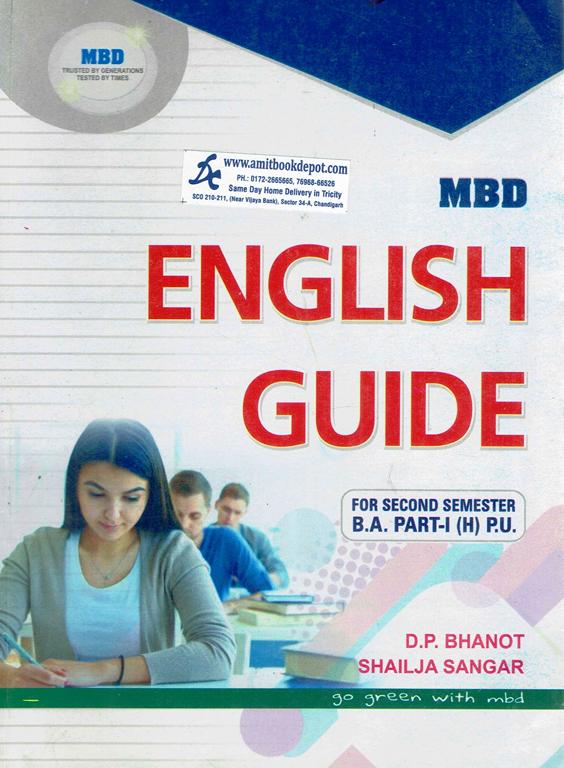
Yes, this textbook is meticulously crafted to follow the official syllabus for "ATHLETIC CARE AND REHABILITATION" (PHEDSC2) for BA 2nd Semester PU Chandigarh, covering all units and the practical syllabus in detail.
Yes, the P.R.I.C.E.R. (Protection, Rest, Ice, Compression, Elevation, Referral) protocol for acute injury management is covered in both theoretical and practical contexts with step-by-step guidance.
Yes, Unit II provides detailed management strategies for common sports injuries, including sprains, strains, fractures, abrasions, and dislocations.
Yes, it includes a comprehensive section on massage, explaining its meaning, different techniques, and the effects it has on the human body.
Yes, Unit III specifically addresses first aid procedures for nose bleeding, heat stroke, and cramps.
While it is an undergraduate-level textbook, it provides an excellent foundation in athletic care, injury management, and rehabilitation principles, making it a valuable starting resource for those fields.
Yes, Unit III classifies therapeutic exercises into passive and active movements and discusses their specific uses in rehabilitation.
Yes, Unit I includes a section on the causes of sports injuries and provides essential guidelines for their prevention.
Absolutely. The book features a dedicated Practical Part that covers the hands-on practice of the P.R.I.C.E.R. protocol, CPR, and taping and bandaging techniques, which are essential for the practical examination.
The book defines and explains the concept of aquatic exercises, including the equipment used and their role in rehabilitation, in Unit III.
No Description Added
Yes, this textbook is meticulously crafted to follow the official syllabus for "ATHLETIC CARE AND REHABILITATION" (PHEDSC2) for BA 2nd Semester PU Chandigarh, covering all units and the practical syllabus in detail.
Yes, the P.R.I.C.E.R. (Protection, Rest, Ice, Compression, Elevation, Referral) protocol for acute injury management is covered in both theoretical and practical contexts with step-by-step guidance.
Yes, Unit II provides detailed management strategies for common sports injuries, including sprains, strains, fractures, abrasions, and dislocations.
Yes, it includes a comprehensive section on massage, explaining its meaning, different techniques, and the effects it has on the human body.
Yes, Unit III specifically addresses first aid procedures for nose bleeding, heat stroke, and cramps.
While it is an undergraduate-level textbook, it provides an excellent foundation in athletic care, injury management, and rehabilitation principles, making it a valuable starting resource for those fields.
Yes, Unit III classifies therapeutic exercises into passive and active movements and discusses their specific uses in rehabilitation.
Yes, Unit I includes a section on the causes of sports injuries and provides essential guidelines for their prevention.
Absolutely. The book features a dedicated Practical Part that covers the hands-on practice of the P.R.I.C.E.R. protocol, CPR, and taping and bandaging techniques, which are essential for the practical examination.
The book defines and explains the concept of aquatic exercises, including the equipment used and their role in rehabilitation, in Unit III.