-
Mon-Fri: 10AM to 8PM 01722665665
-
My Account
-
-
0
Total :
₹ 0.00

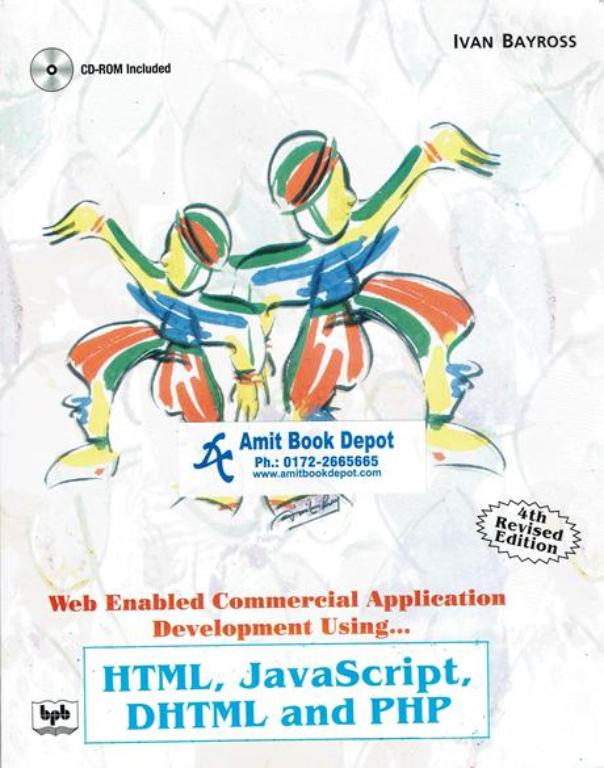




HTML, JavaScript, and DHTML are covered first. This ensures readers master client-side document structure, DOM manipulation, and dynamic styling before backend scripting.
Yes. Section IV details setting up and configuring PHP to work under Apache and IIS, covering both Windows and Linux environments.
Yes. Section II includes Projects in JavaScript, along with solutions to hands-on exercises, helping you apply DOM and form validation skills.
Chapter 19, “Working With Forms,” and Chapter 16, “PHP & HTML,” explain how to capture, process, and validate form data programmatically.
Chapter 22 presents “A Standard Challenge and Response System,” teaching implementation of a CAPTCHA-like verification for web security.
Yes. Each section provides separate answers to self-review questions and solutions to hands-on exercises for self-assessment.
Yes. Chapter 20 focuses on “Regular Expressions,” teaching pattern matching for validating emails, phone numbers, and user inputs.
Chapter 7 on “Frames” and Chapter 5 on “Tables” teach structured, multi-pane layouts common in commercial web applications.
Chapter 12 covers “Dynamic HTML” as a separate section, integrating JavaScript and CSS for real-time style and content changes.
Yes. Chapter 2 provides “Introduction to HTML” and Chapter 1 covers “Internet Basics,” making it suitable for beginners.
No Description Added
HTML, JavaScript, and DHTML are covered first. This ensures readers master client-side document structure, DOM manipulation, and dynamic styling before backend scripting.
Yes. Section IV details setting up and configuring PHP to work under Apache and IIS, covering both Windows and Linux environments.
Yes. Section II includes Projects in JavaScript, along with solutions to hands-on exercises, helping you apply DOM and form validation skills.
Chapter 19, “Working With Forms,” and Chapter 16, “PHP & HTML,” explain how to capture, process, and validate form data programmatically.
Chapter 22 presents “A Standard Challenge and Response System,” teaching implementation of a CAPTCHA-like verification for web security.
Yes. Each section provides separate answers to self-review questions and solutions to hands-on exercises for self-assessment.
Yes. Chapter 20 focuses on “Regular Expressions,” teaching pattern matching for validating emails, phone numbers, and user inputs.
Chapter 7 on “Frames” and Chapter 5 on “Tables” teach structured, multi-pane layouts common in commercial web applications.
Chapter 12 covers “Dynamic HTML” as a separate section, integrating JavaScript and CSS for real-time style and content changes.
Yes. Chapter 2 provides “Introduction to HTML” and Chapter 1 covers “Internet Basics,” making it suitable for beginners.