We always strive to list the latest available edition. Please check the publication year in the product details against the current year's syllabus provided by Panjab University to ensure it matches.
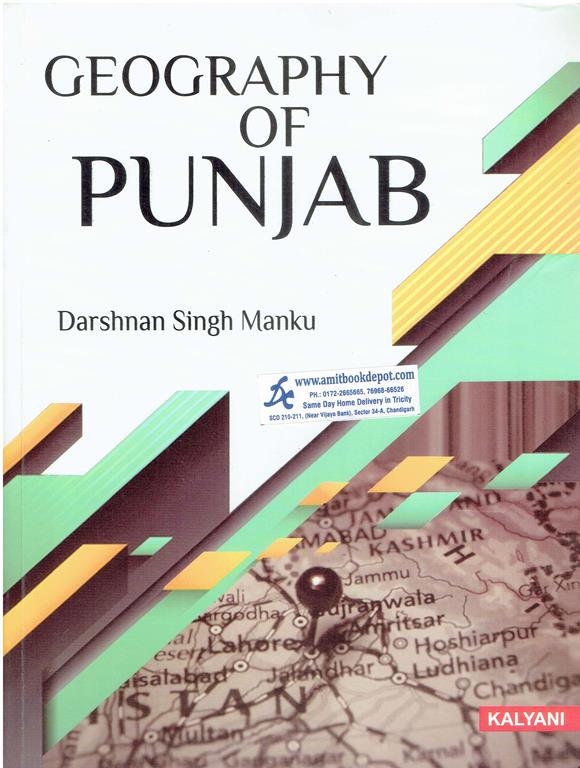
Yes, the book is structured to cover all 13 chapters of the syllabus as prescribed by Panjab University, including the comprehensive chapter on the Regional Geography of Punjab.
The book includes necessary diagrams and maps, such as drainage patterns and regional maps, which are essential for a geography text and are presented in a clear, legible format.
The book is written in a student-friendly and accessible language, making it highly suitable for self-study. However, for deeper conceptual clarity, referring to classroom lectures is always beneficial.
The chapter provides a robust analysis of the industrial landscape. For the most recent statistical data and policy changes, students are advised to supplement it with the latest government reports.
Absolutely. The comprehensive coverage of physical, human, and economic geography of Punjab makes it a valuable foundational resource for various state-level competitive examinations.
Yes, the book dedicates significant coverage to the Green Revolution, its impact on cropping patterns, productivity, and the subsequent socio-economic and environmental consequences in Punjab.
As a publication from Kalyani Publishers, the book is known for its good print quality, clear typography, and durable binding, ensuring a comfortable reading experience.
The entire book is a case study of Punjab. Each chapter, be it on drainage, agriculture, or industries, is filled with specific examples, data, and analysis directly related to the state.
While the core geographical topics are similar, the syllabus structure may differ. Students from other universities should cross-check their specific syllabus before purchasing, though the book will still serve as an excellent reference.
No Description Added
We always strive to list the latest available edition. Please check the publication year in the product details against the current year's syllabus provided by Panjab University to ensure it matches.
Yes, the book is structured to cover all 13 chapters of the syllabus as prescribed by Panjab University, including the comprehensive chapter on the Regional Geography of Punjab.
The book includes necessary diagrams and maps, such as drainage patterns and regional maps, which are essential for a geography text and are presented in a clear, legible format.
The book is written in a student-friendly and accessible language, making it highly suitable for self-study. However, for deeper conceptual clarity, referring to classroom lectures is always beneficial.
The chapter provides a robust analysis of the industrial landscape. For the most recent statistical data and policy changes, students are advised to supplement it with the latest government reports.
Absolutely. The comprehensive coverage of physical, human, and economic geography of Punjab makes it a valuable foundational resource for various state-level competitive examinations.
Yes, the book dedicates significant coverage to the Green Revolution, its impact on cropping patterns, productivity, and the subsequent socio-economic and environmental consequences in Punjab.
As a publication from Kalyani Publishers, the book is known for its good print quality, clear typography, and durable binding, ensuring a comfortable reading experience.
The entire book is a case study of Punjab. Each chapter, be it on drainage, agriculture, or industries, is filled with specific examples, data, and analysis directly related to the state.
While the core geographical topics are similar, the syllabus structure may differ. Students from other universities should cross-check their specific syllabus before purchasing, though the book will still serve as an excellent reference.