-
Mon-Fri: 10AM to 8PM 01722665665
-
My Account
-
-
0
Total :
₹ 0.00

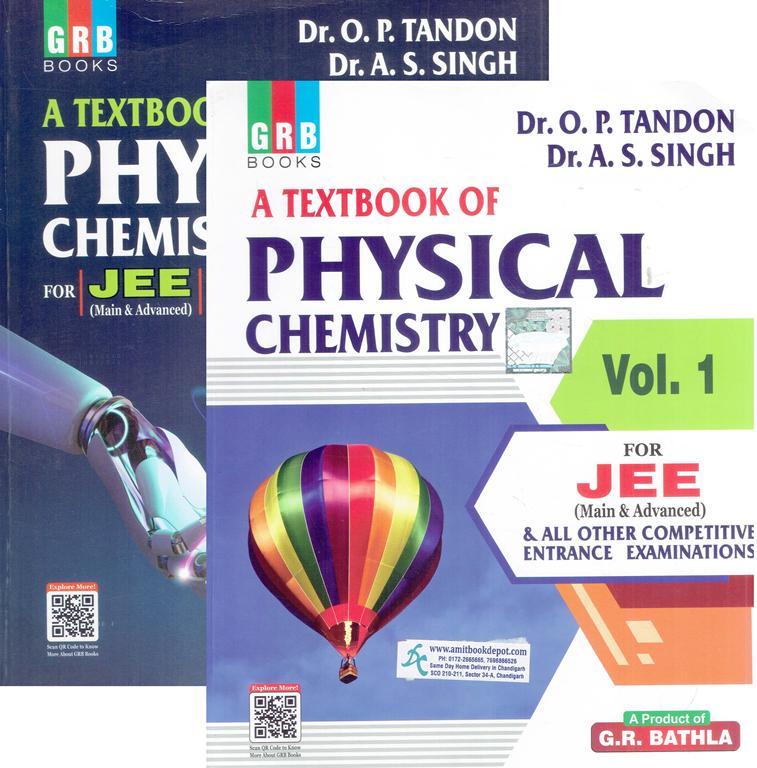
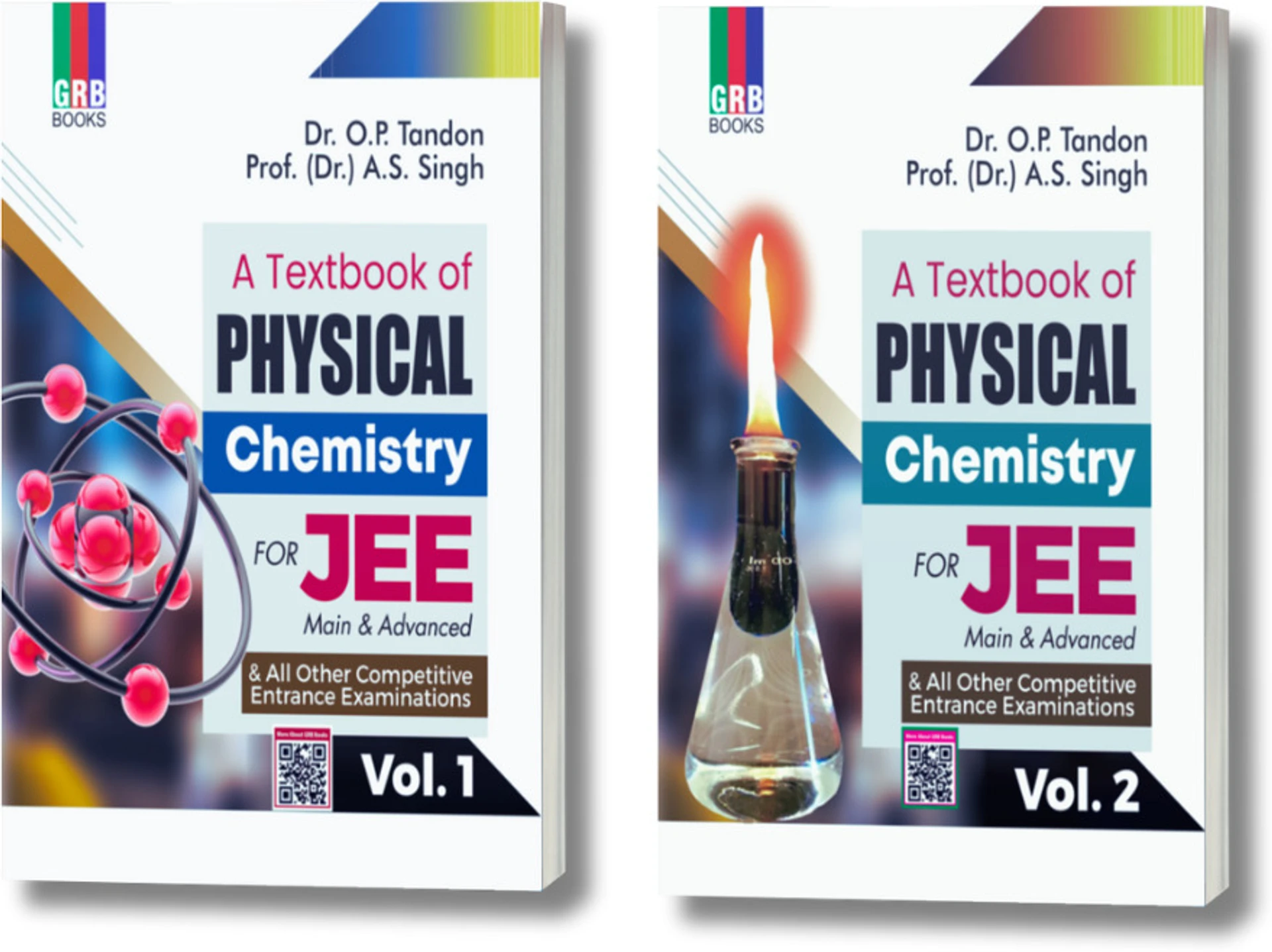
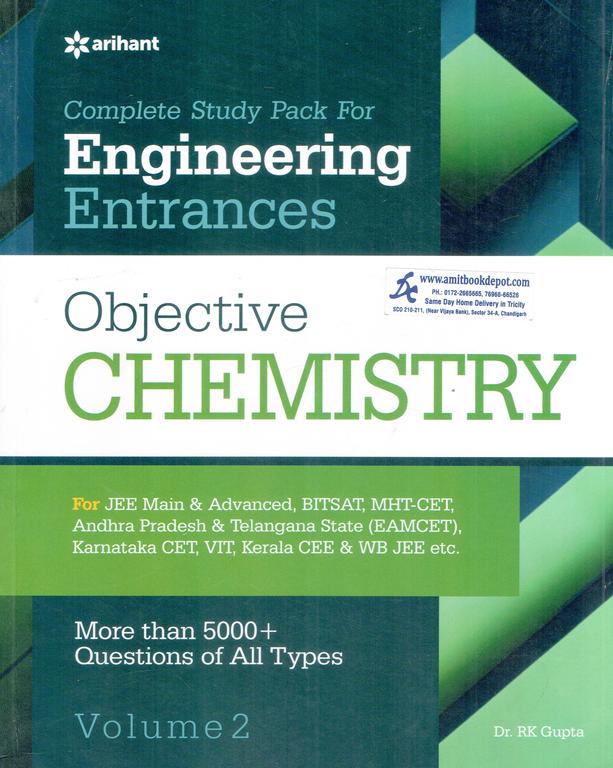
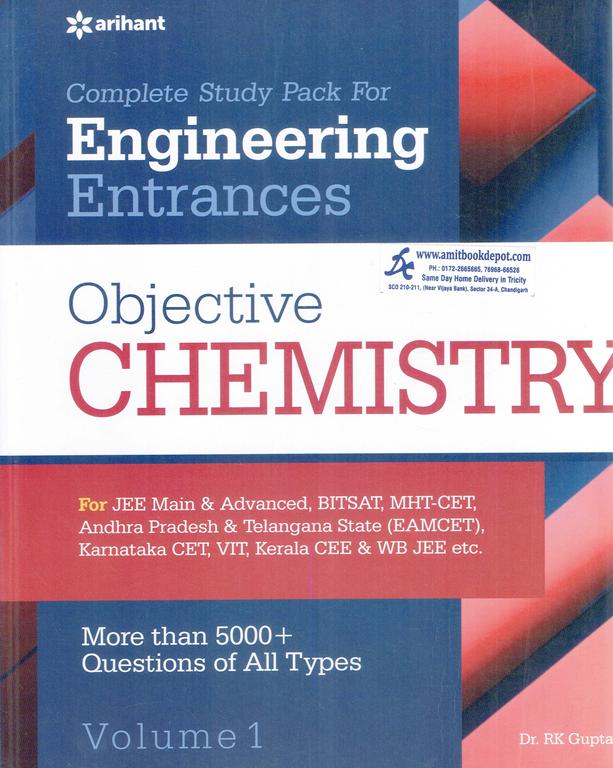
Yes. It covers entire physical chemistry from Basic Principles to Radioactivity, including Brainstorming Problems specifically designed for JEE Advanced difficulty level.
Yes. Both volumes include Log Tables and Antilog Tables, plus Table of Elements and Symbols, enabling quick calculations without external tools.
Yes. States of Matter is split into 3A (Gases and Liquids) and 3B (Solid States) for detailed coverage of crystals and packing.
Chapter 10 (Solutions – General and Colligative Properties) in Volume 2 covers Raoult’s Law, boiling point elevation, freezing point depression, and osmosis.
Yes. Chapter 4 (Chemical Thermodynamics and Thermochemistry) integrates both, covering entropy, Gibbs free energy, and Hess’s Law numerically.
Yes. Chapter 6 (Ionic Equilibrium) covers pH, Ostwald’s dilution law, buffer solutions, solubility product, and common ion effect extensively.
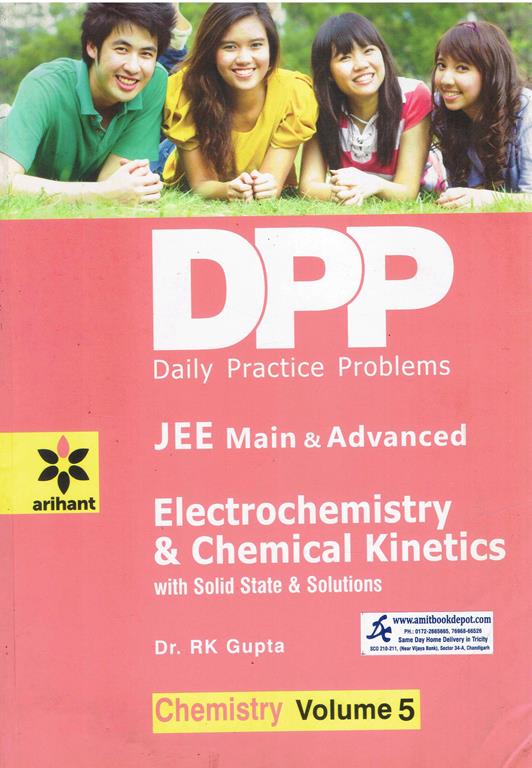
Yes. Chapter 12 (Electrochemistry) covers galvanic cells, Nernst equation, conductivity, Kohlrausch’s law, and batteries.
Chapter 11 (The Colloidal State) includes tyndall effect, Brownian motion, coagulation, gold number, and associated numerical problems.
Yes. Chapter 9 (Stoichiometry – Chemical Formulae and Equations) covers limiting reagent, percentage purity, and mole concept in depth.
Yes. Chapter 13 (Chemical Kinetics) covers rate laws, order of reaction, Arrhenius equation, and half-life problems for Main and Advanced.
No Description Added
Yes. It covers entire physical chemistry from Basic Principles to Radioactivity, including Brainstorming Problems specifically designed for JEE Advanced difficulty level.
Yes. Both volumes include Log Tables and Antilog Tables, plus Table of Elements and Symbols, enabling quick calculations without external tools.
Yes. States of Matter is split into 3A (Gases and Liquids) and 3B (Solid States) for detailed coverage of crystals and packing.
Chapter 10 (Solutions – General and Colligative Properties) in Volume 2 covers Raoult’s Law, boiling point elevation, freezing point depression, and osmosis.
Yes. Chapter 4 (Chemical Thermodynamics and Thermochemistry) integrates both, covering entropy, Gibbs free energy, and Hess’s Law numerically.
Yes. Chapter 6 (Ionic Equilibrium) covers pH, Ostwald’s dilution law, buffer solutions, solubility product, and common ion effect extensively.
Yes. Chapter 12 (Electrochemistry) covers galvanic cells, Nernst equation, conductivity, Kohlrausch’s law, and batteries.
Chapter 11 (The Colloidal State) includes tyndall effect, Brownian motion, coagulation, gold number, and associated numerical problems.
Yes. Chapter 9 (Stoichiometry – Chemical Formulae and Equations) covers limiting reagent, percentage purity, and mole concept in depth.
Yes. Chapter 13 (Chemical Kinetics) covers rate laws, order of reaction, Arrhenius equation, and half-life problems for Main and Advanced.