-
Mon-Fri: 10AM to 8PM 01722665665
-
My Account
-
-
0
Total :
₹ 0.00

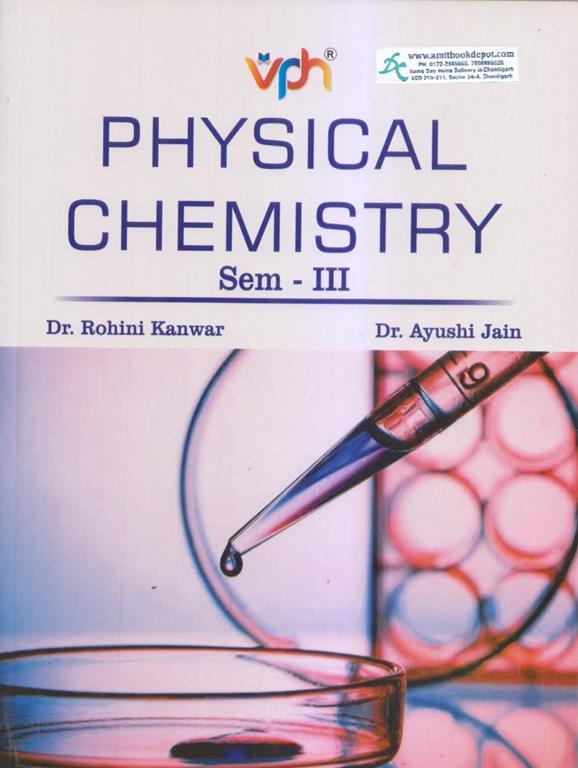

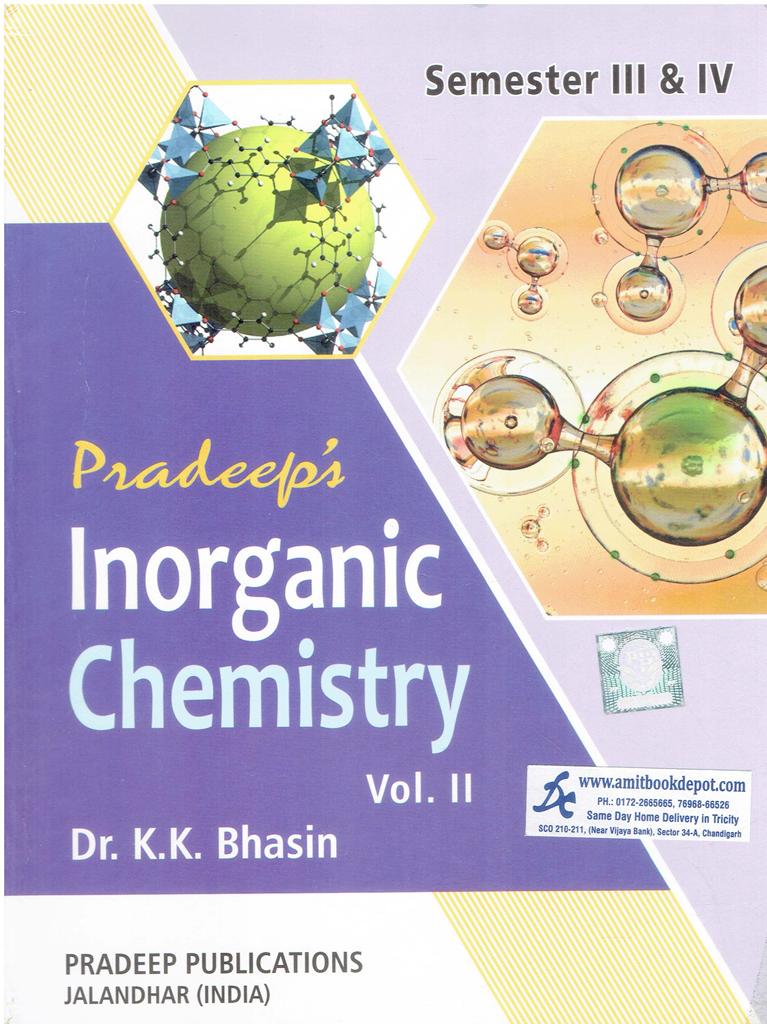
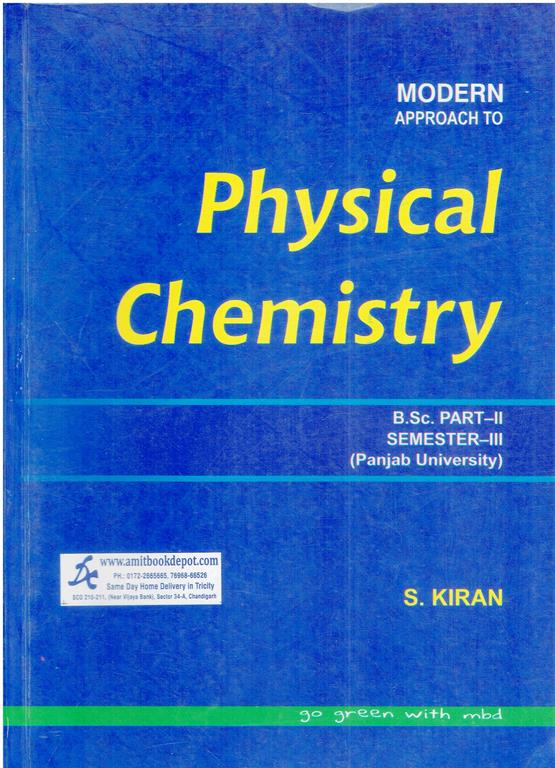
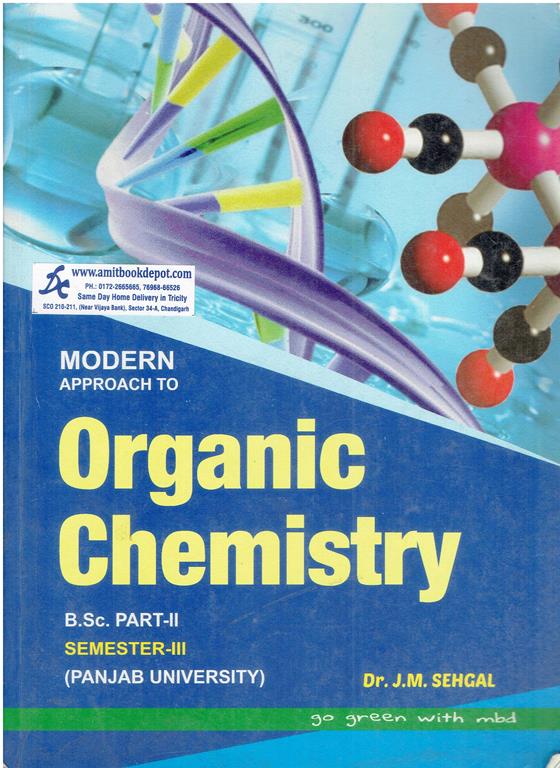
Yes, this book is specifically written to provide 100% coverage of the revised syllabus for Paper XI: Physical Chemistry - A, including all four units.
While the focus is on conceptual clarity and theoretical derivations as required by the syllabus, the book provides the necessary foundational formulas and equations, such as the Clapeyron equation and entropy calculations, which are essential for solving problems.
The book provides a clear classification of nematic and cholesteric phases and explains their real-world applications in thermography and seven-segment cells, directly as per the syllabus.
Yes, a detailed thermodynamic derivation of the Law of Mass Action is a key feature of the Chemical Equilibrium chapter.
Absolutely. The book clearly explains the statement of the Third Law, the Nernst heat theorem, and the concept of residual entropy with clarity.
The content is organized to cover the entire syllabus comprehensively, ensuring that students are prepared to answer the compulsory short-answer question that tests knowledge from all units.
Yes, the Second Law of Thermodynamics chapter includes a detailed discussion of the Carnot cycle, its efficiency, and the resulting Carnot Theorem.
Yes, the book is written by experienced academicians with the goal of making complex topics accessible, using clear and concise language suitable for B.Sc. students.
The book has been upgraded as per the provisions of the UGC module and the revised demands of the academic environment, as implemented by Panjab Universit
Yes, the book covers the applications of both the Clapeyron and Clausius-Clapeyron equations within the Chemical Equilibrium unit.
No Description Added
Yes, this book is specifically written to provide 100% coverage of the revised syllabus for Paper XI: Physical Chemistry - A, including all four units.
While the focus is on conceptual clarity and theoretical derivations as required by the syllabus, the book provides the necessary foundational formulas and equations, such as the Clapeyron equation and entropy calculations, which are essential for solving problems.
The book provides a clear classification of nematic and cholesteric phases and explains their real-world applications in thermography and seven-segment cells, directly as per the syllabus.
Yes, a detailed thermodynamic derivation of the Law of Mass Action is a key feature of the Chemical Equilibrium chapter.
Absolutely. The book clearly explains the statement of the Third Law, the Nernst heat theorem, and the concept of residual entropy with clarity.
The content is organized to cover the entire syllabus comprehensively, ensuring that students are prepared to answer the compulsory short-answer question that tests knowledge from all units.
Yes, the Second Law of Thermodynamics chapter includes a detailed discussion of the Carnot cycle, its efficiency, and the resulting Carnot Theorem.
Yes, the book is written by experienced academicians with the goal of making complex topics accessible, using clear and concise language suitable for B.Sc. students.
The book has been upgraded as per the provisions of the UGC module and the revised demands of the academic environment, as implemented by Panjab Universit
Yes, the book covers the applications of both the Clapeyron and Clausius-Clapeyron equations within the Chemical Equilibrium unit.