-
Mon-Fri: 10AM to 8PM 01722665665
-
My Account
-
-
0
Total :
₹ 0.00

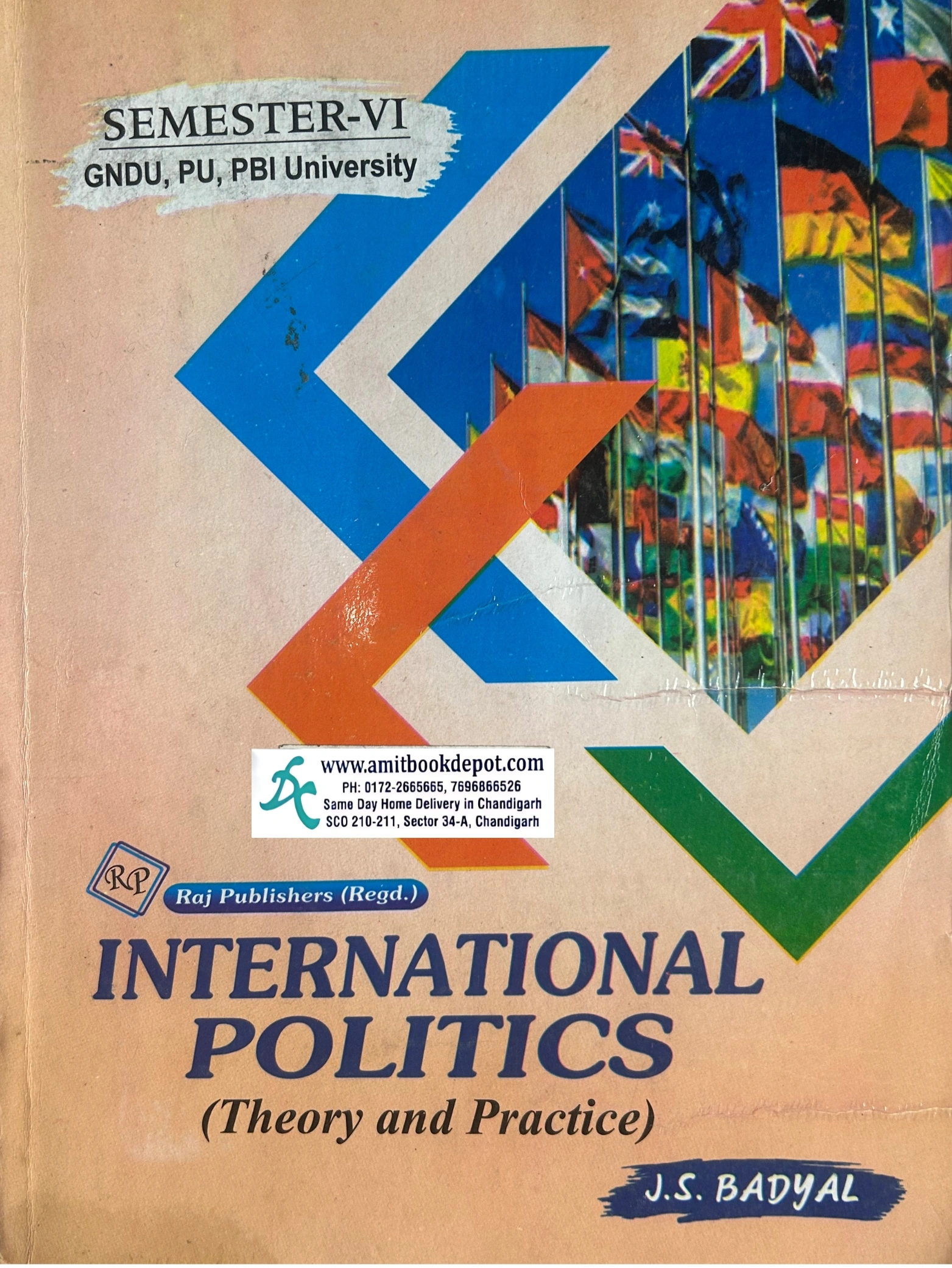
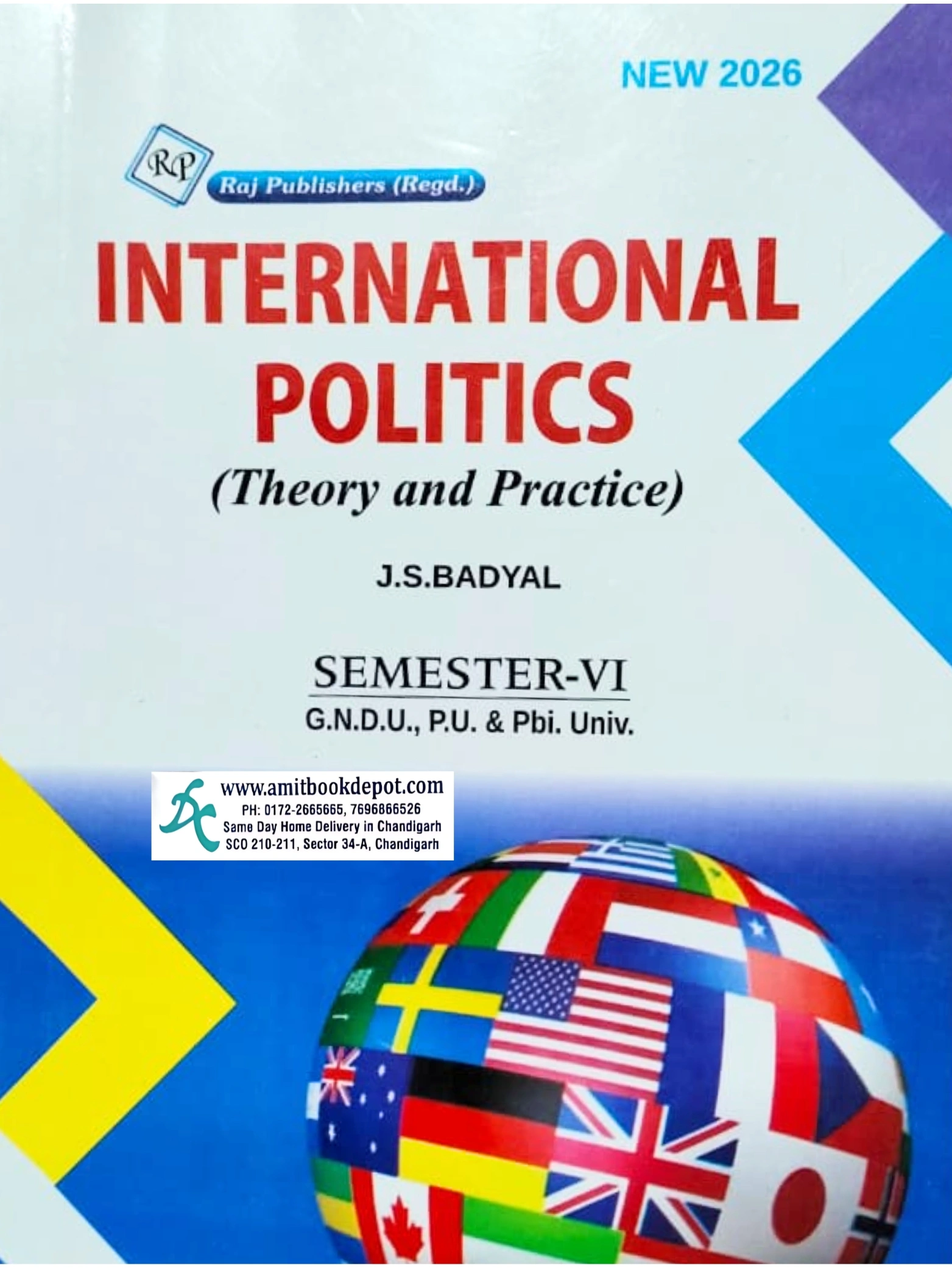
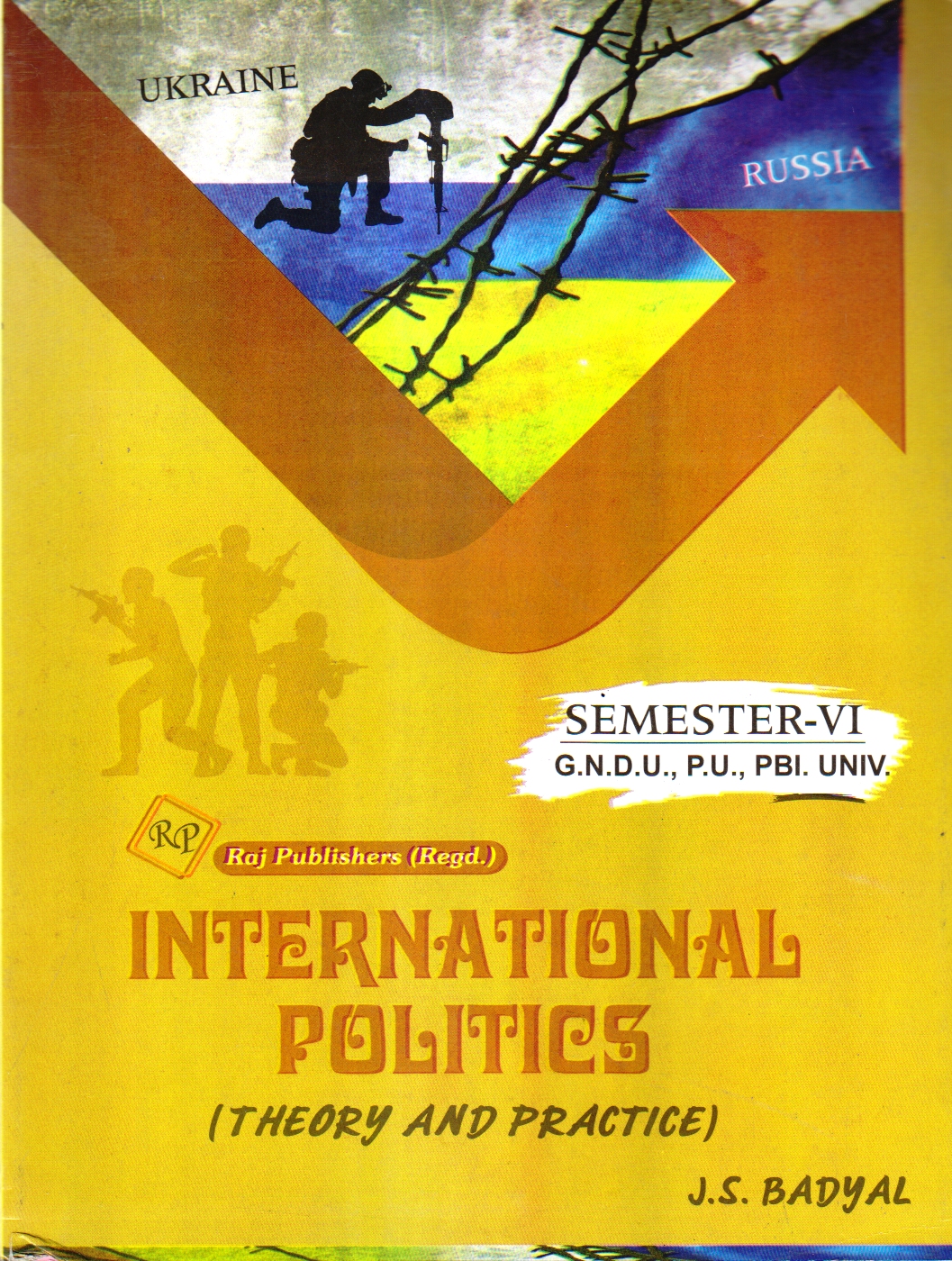
Yes, this book is meticulously crafted based on the latest syllabus prescribed for BA 6th Semester International Politics at Panjab University, GNDU, and Punjabi University.
Absolutely. It provides a solid foundation in classic theories like Realism and Idealism while extensively covering contemporary topics like post-Cold War order, terrorism, and global environmental issues.
Yes, Unit II includes dedicated chapters on both concepts and clearly explains their differences, a key requirement of the syllabus.
Unit III offers detailed, separate chapters on Bi-Polar, Uni-Polar, and Multi-Polar World Orders, along with an analysis of the nature of the emerging world order.
As per the syllabus, the book contains detailed chapters on SAARC (South Asian Association for Regional Cooperation) and the European Union (EU).
Yes, Chapter 12 covers the objectives, principles, and a comprehensive overview of the United Nations as a key institution in international politics.
Yes, NIEO is covered in detail in Chapter 15, discussing its context, demands, and significance.
Yes, Chapter 10, "Global Environment: Issues and Initiatives," addresses critical environmental concerns within the scope of international politics.
The book is written in clear, concise, and accessible English, making complex concepts in international politics easy to grasp.
This book is a comprehensive, syllabus-specific textbook. For most students, it serves as a complete primary resource for theory and exam preparation. However, referring to additional sources for deeper insight is always a personal choice.
No Description Added
Yes, this book is meticulously crafted based on the latest syllabus prescribed for BA 6th Semester International Politics at Panjab University, GNDU, and Punjabi University.
Absolutely. It provides a solid foundation in classic theories like Realism and Idealism while extensively covering contemporary topics like post-Cold War order, terrorism, and global environmental issues.
Yes, Unit II includes dedicated chapters on both concepts and clearly explains their differences, a key requirement of the syllabus.
Unit III offers detailed, separate chapters on Bi-Polar, Uni-Polar, and Multi-Polar World Orders, along with an analysis of the nature of the emerging world order.
As per the syllabus, the book contains detailed chapters on SAARC (South Asian Association for Regional Cooperation) and the European Union (EU).
Yes, Chapter 12 covers the objectives, principles, and a comprehensive overview of the United Nations as a key institution in international politics.
Yes, NIEO is covered in detail in Chapter 15, discussing its context, demands, and significance.
Yes, Chapter 10, "Global Environment: Issues and Initiatives," addresses critical environmental concerns within the scope of international politics.
The book is written in clear, concise, and accessible English, making complex concepts in international politics easy to grasp.
This book is a comprehensive, syllabus-specific textbook. For most students, it serves as a complete primary resource for theory and exam preparation. However, referring to additional sources for deeper insight is always a personal choice.