-
Mon-Fri: 10AM to 8PM 01722665665
-
My Account
-
-
0
Total :
₹ 0.00

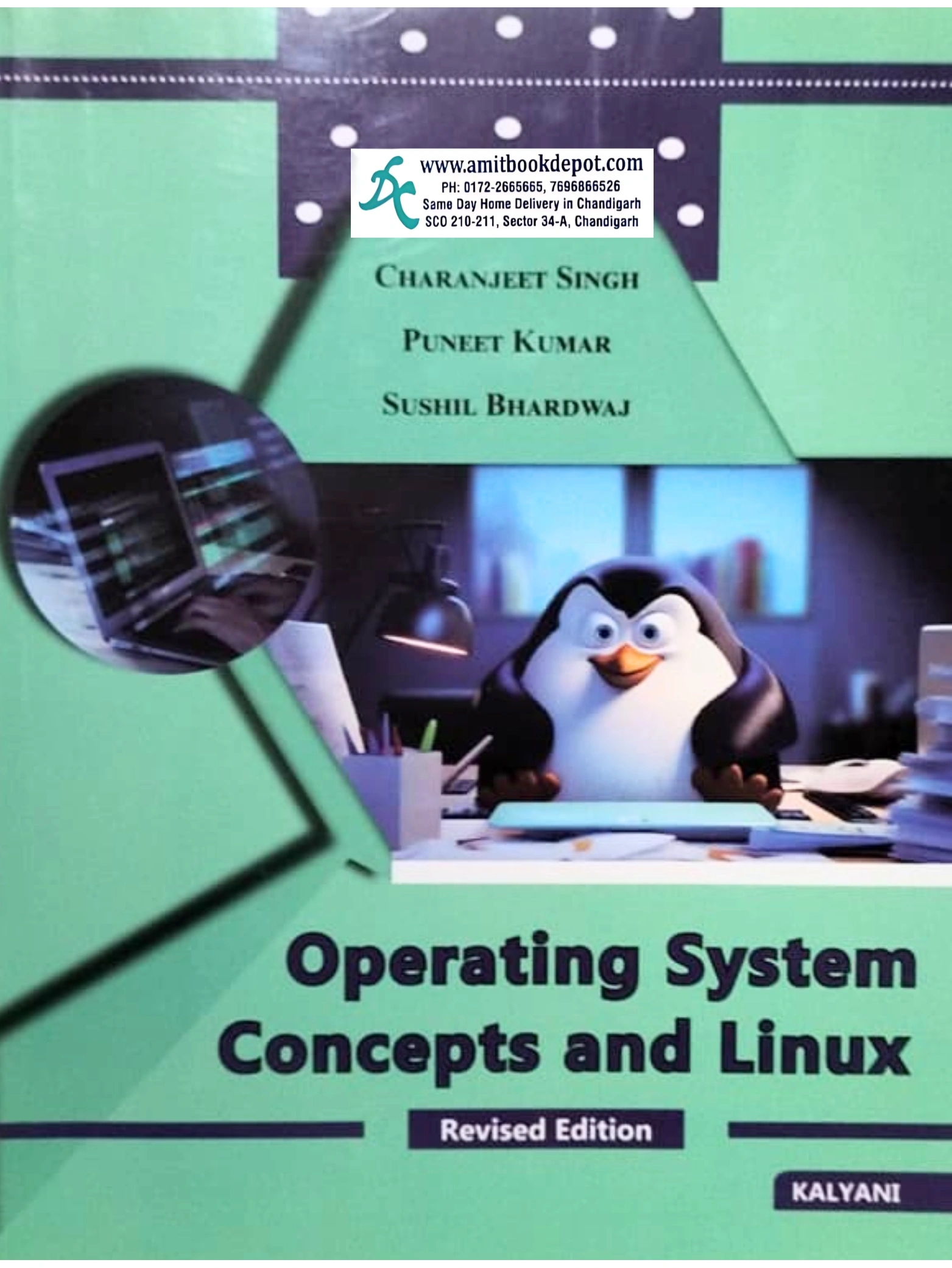
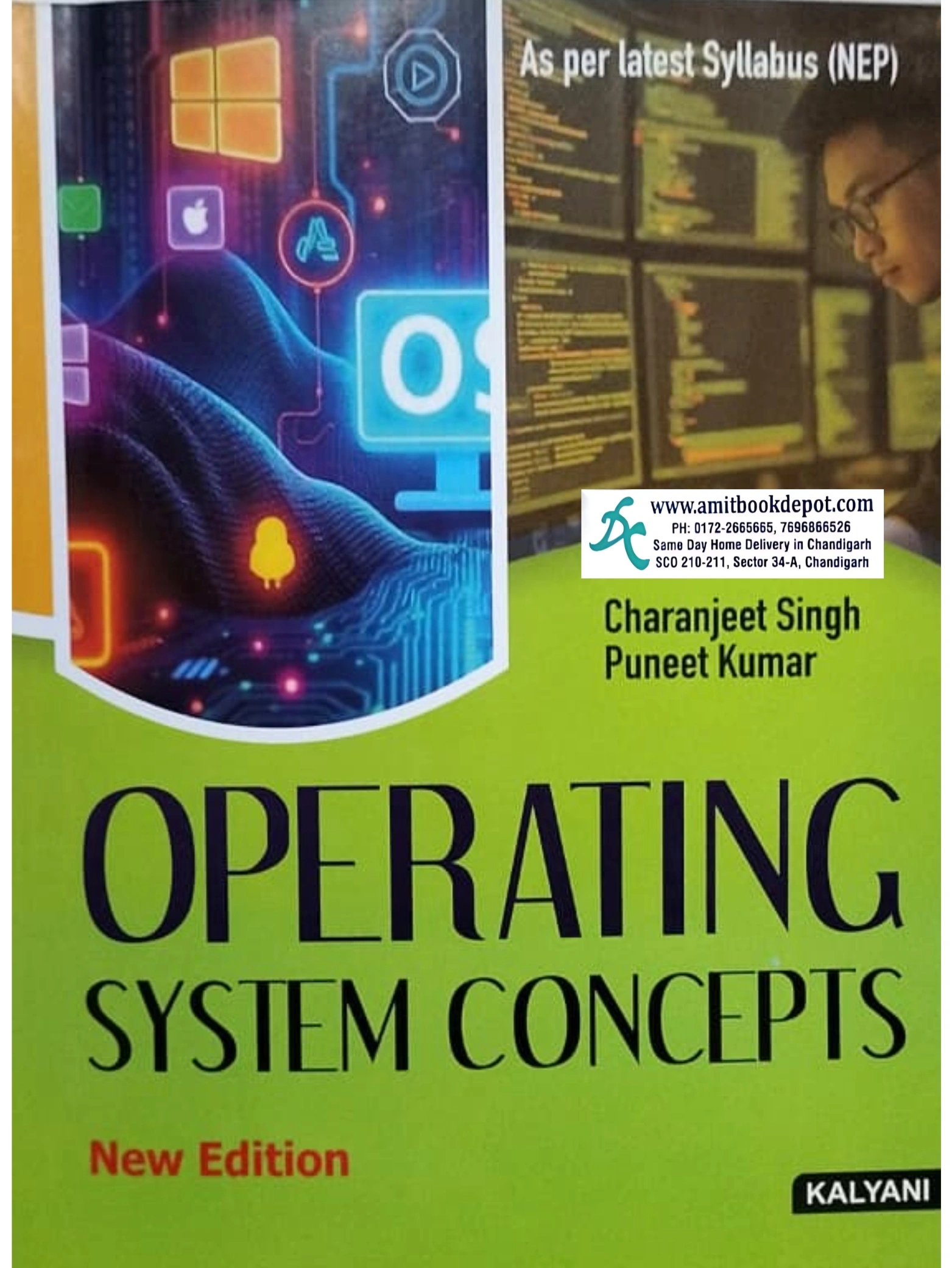


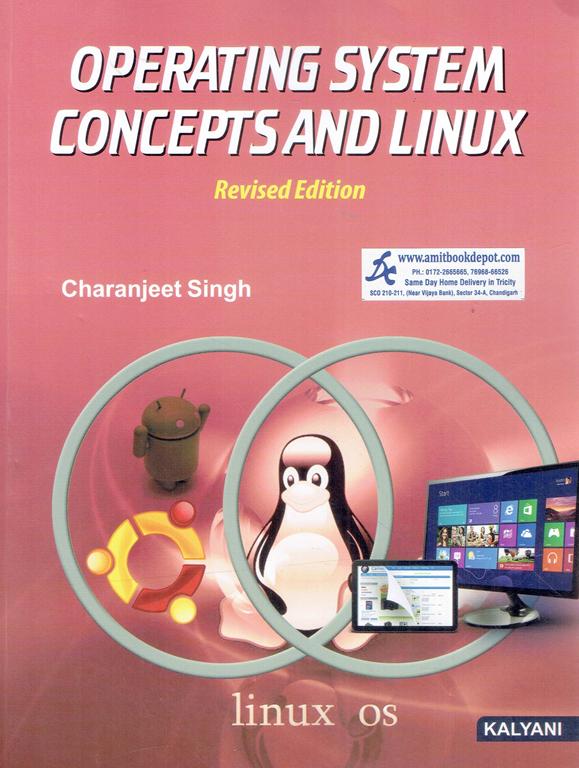
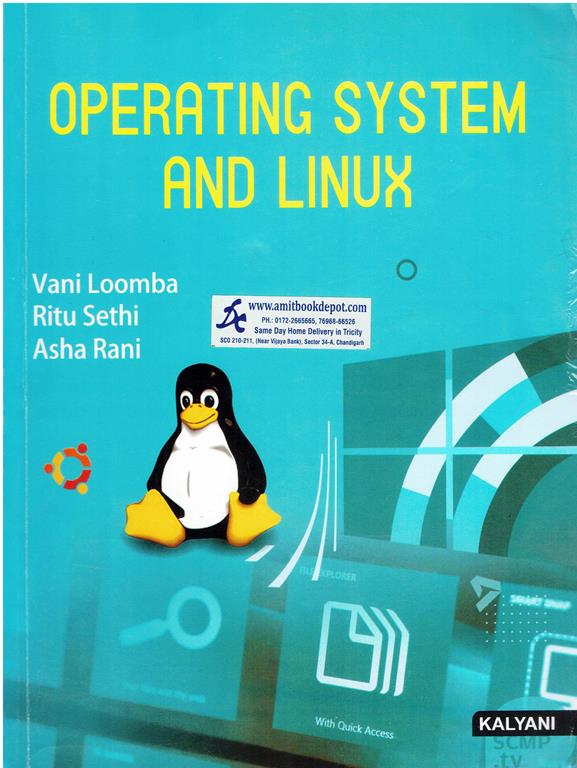
Yes, this textbook is exclusively designed for the BCA 4th Semester of Panjab University, Chandigarh, strictly following the syllabus for paper code BCA-DSC-4(Maj)-401 under the New Education Policy (NEP).
Absolutely. The book provides a complete balance, covering core theoretical concepts like scheduling and deadlocks, alongside extensive practical chapters on Linux commands, shell programming, and system administration.
Yes, it includes detailed explanations and analyses of all required algorithms: FCFS, SJF, Priority, Round Robin, Multilevel Queue, and Multilevel Feedback Queue Scheduling.
Yes, the chapter on Deadlocks covers the necessary conditions and methods for handling deadlocks, including the Banker's Algorithm for deadlock avoidance.
Yes, the Virtual Memory chapter introduces and explains key page replacement algorithms: FIFO, Optimal, and LRU.
Yes, the final unit introduces key system administration activities, including the su command, backups with tar, managing disk space, mounting file systems, and managing users and printers.
It covers all essential commands: cat, mkdir, ls, cd, pwd, cp, mv, rm, rmdir, wc, cmp, comm, and diff, along with using wildcards.
Yes, it explains file and directory permissions in detail, teaching how to change permissions using both relative (chmod u+x) and absolute (chmod 755) methods, and covers the umask settings.
Yes, there is a clear explanation of I/O redirection (>, >>, <) and piping (|), including the use of the tee command and simple filters.
Completely. The book is tailored to the exam structure, covering all topics from which questions are set. Understanding this book thoroughly will prepare you for both the theory and practical application questions.
No Description Added
Yes, this textbook is exclusively designed for the BCA 4th Semester of Panjab University, Chandigarh, strictly following the syllabus for paper code BCA-DSC-4(Maj)-401 under the New Education Policy (NEP).
Absolutely. The book provides a complete balance, covering core theoretical concepts like scheduling and deadlocks, alongside extensive practical chapters on Linux commands, shell programming, and system administration.
Yes, it includes detailed explanations and analyses of all required algorithms: FCFS, SJF, Priority, Round Robin, Multilevel Queue, and Multilevel Feedback Queue Scheduling.
Yes, the chapter on Deadlocks covers the necessary conditions and methods for handling deadlocks, including the Banker's Algorithm for deadlock avoidance.
Yes, the Virtual Memory chapter introduces and explains key page replacement algorithms: FIFO, Optimal, and LRU.
Yes, the final unit introduces key system administration activities, including the su command, backups with tar, managing disk space, mounting file systems, and managing users and printers.
It covers all essential commands: cat, mkdir, ls, cd, pwd, cp, mv, rm, rmdir, wc, cmp, comm, and diff, along with using wildcards.
Yes, it explains file and directory permissions in detail, teaching how to change permissions using both relative (chmod u+x) and absolute (chmod 755) methods, and covers the umask settings.
Yes, there is a clear explanation of I/O redirection (>, >>, <) and piping (|), including the use of the tee command and simple filters.
Completely. The book is tailored to the exam structure, covering all topics from which questions are set. Understanding this book thoroughly will prepare you for both the theory and practical application questions.