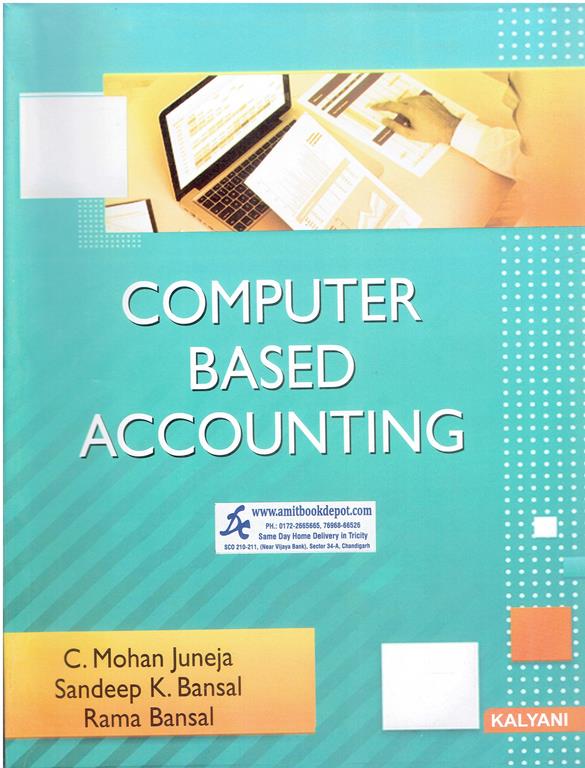
Yes, it is strictly aligned with the latest PGDCA syllabus (Paper Code: PGD-2104), covering all four units in detail.
Yes, a dedicated chapter on "Accounting for Goods and Services Tax (GST)" is included to explain its application in modern accounting.
Absolutely. It provides a strong foundation in computerized financial accounting, covering coding logic, file processing, and system outputs.
Yes, it features extensive coverage of computerized payroll systems, including payroll structure, processing, and interfacing with financial accounts.
The book provides a dedicated introduction to Tally, covering its groups, ledgers, vouchers, and reports.
Yes, it covers final accounts for sole proprietors, partnership firms, and limited companies, including manufacturing accounts.
Yes, the book begins with fundamental topics like the double-entry system, journal, ledger, and trial balance to build a strong base.
It explains the essential coding logic and codes required for creating master files and transaction files in a computerized accounting environment.
Yes, it details the nature and types of inventory reports generated in a computerized system, essential for effective stock management.
It is designed for both. It ensures exam success while providing practical knowledge of systems like Tally, payroll, and invoicing for job readiness.
No Description Added
Yes, it is strictly aligned with the latest PGDCA syllabus (Paper Code: PGD-2104), covering all four units in detail.
Yes, a dedicated chapter on "Accounting for Goods and Services Tax (GST)" is included to explain its application in modern accounting.
Absolutely. It provides a strong foundation in computerized financial accounting, covering coding logic, file processing, and system outputs.
Yes, it features extensive coverage of computerized payroll systems, including payroll structure, processing, and interfacing with financial accounts.
The book provides a dedicated introduction to Tally, covering its groups, ledgers, vouchers, and reports.
Yes, it covers final accounts for sole proprietors, partnership firms, and limited companies, including manufacturing accounts.
Yes, the book begins with fundamental topics like the double-entry system, journal, ledger, and trial balance to build a strong base.
It explains the essential coding logic and codes required for creating master files and transaction files in a computerized accounting environment.
Yes, it details the nature and types of inventory reports generated in a computerized system, essential for effective stock management.
It is designed for both. It ensures exam success while providing practical knowledge of systems like Tally, payroll, and invoicing for job readiness.