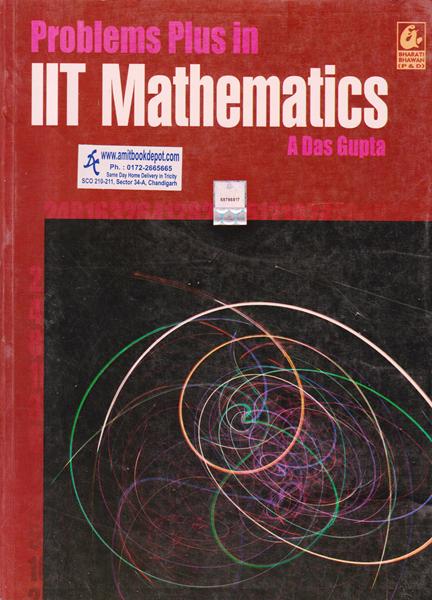
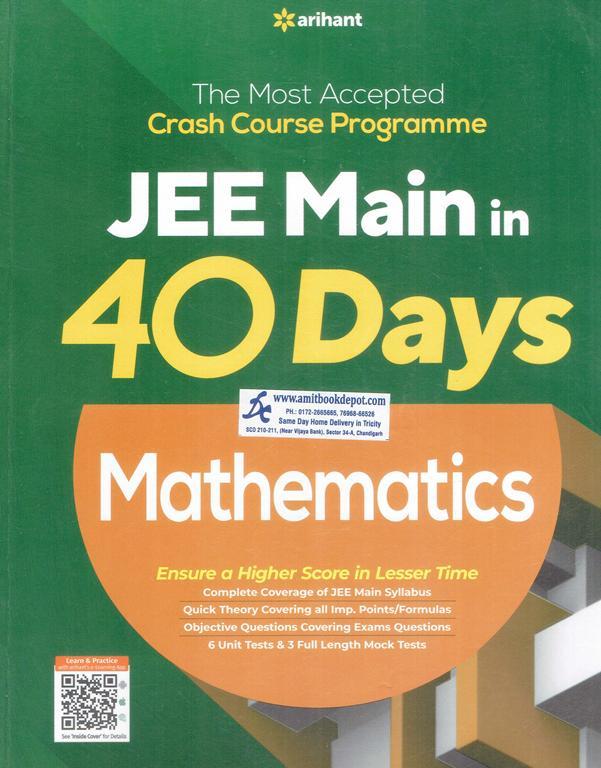
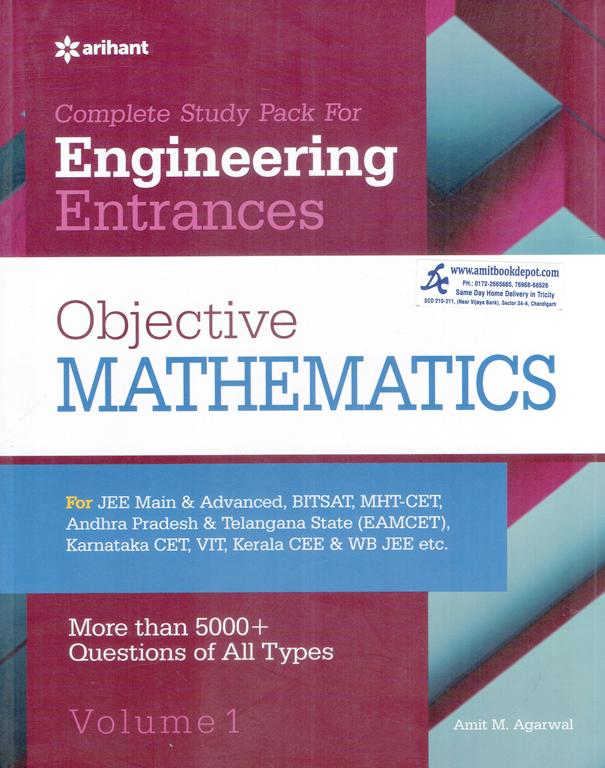
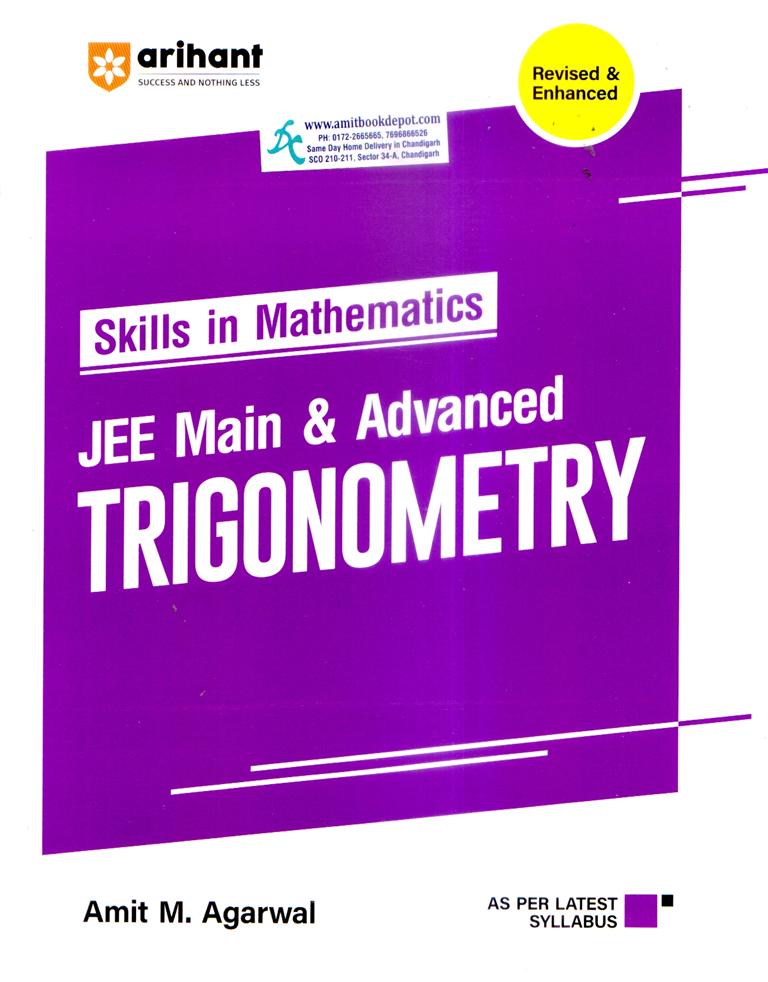
Yes. It includes screening tests, main tests, objective tests, and recent IIT questions, covering both JEE Main and Advanced exam patterns comprehensively.
Selected challenging problems in the miscellaneous exercise have detailed step-by-step solutions. Others are left for self-practice with final answers provided.
Yes. Chapter 7 under Calculus is dedicated to Monotonic Function and Lagrange’s Theorem with application-based problems.
Yes. Trigonometry section ends with a dedicated chapter on Heights and Distances, including angle of elevation/depression problems.
A dedicated section titled "Recent IIT Questions" is included, ensuring exposure to latest exam trends and problem styles.
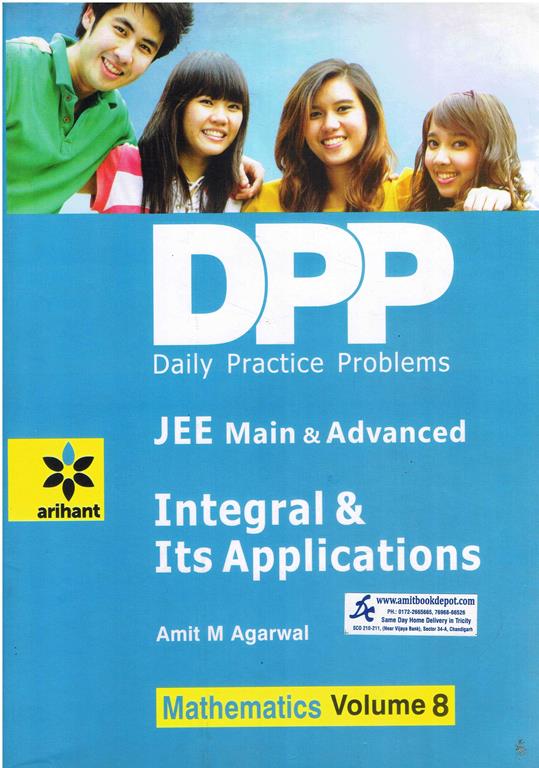
Yes. Separate chapters on Indefinite Integration (elementary, rational, irrational functions) and Definite Integration with properties and applications.
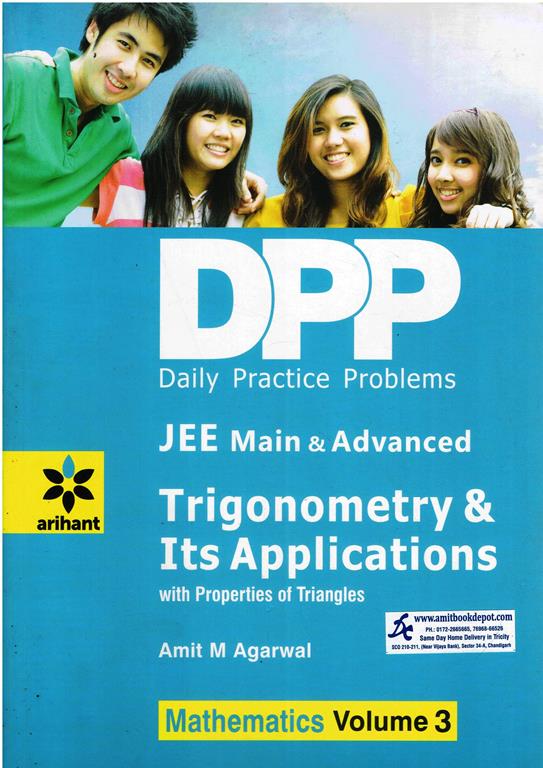
Yes. Two full chapters cover Elementary Probability and Total Conditional Probability with Bayes’ Theorem applications.
Yes. Chapter 4 under Calculus covers Continuity, Differentiability and Graph of Function with analytical and graphical problems.
Yes. One dedicated chapter covers Differential Equation of the First Order, focusing on variable separable and homogeneous forms.
Yes. Algebra includes separate chapters on Infinite Series and Principle of Mathematical Induction (PMI) with proof-based problems.
No Description Added
Yes. It includes screening tests, main tests, objective tests, and recent IIT questions, covering both JEE Main and Advanced exam patterns comprehensively.
Selected challenging problems in the miscellaneous exercise have detailed step-by-step solutions. Others are left for self-practice with final answers provided.
Yes. Chapter 7 under Calculus is dedicated to Monotonic Function and Lagrange’s Theorem with application-based problems.
Yes. Trigonometry section ends with a dedicated chapter on Heights and Distances, including angle of elevation/depression problems.
A dedicated section titled "Recent IIT Questions" is included, ensuring exposure to latest exam trends and problem styles.
Yes. Separate chapters on Indefinite Integration (elementary, rational, irrational functions) and Definite Integration with properties and applications.
Yes. Two full chapters cover Elementary Probability and Total Conditional Probability with Bayes’ Theorem applications.
Yes. Chapter 4 under Calculus covers Continuity, Differentiability and Graph of Function with analytical and graphical problems.
Yes. One dedicated chapter covers Differential Equation of the First Order, focusing on variable separable and homogeneous forms.
Yes. Algebra includes separate chapters on Infinite Series and Principle of Mathematical Induction (PMI) with proof-based problems.