Categories
College Bookssss >
BA PU Chandigarh
BSC PU Chandigarh
MSC PU Chandigarh
BBA PU Chandigarh
MA PU Chandigarh
Medical Books
Engineering Books
Management Books
PGDCA Books
BCOM PU Chandigarh
MCOM PU Chandigarh
BCA PU Chandigarh
MCA PU Chandigarh
animate-books

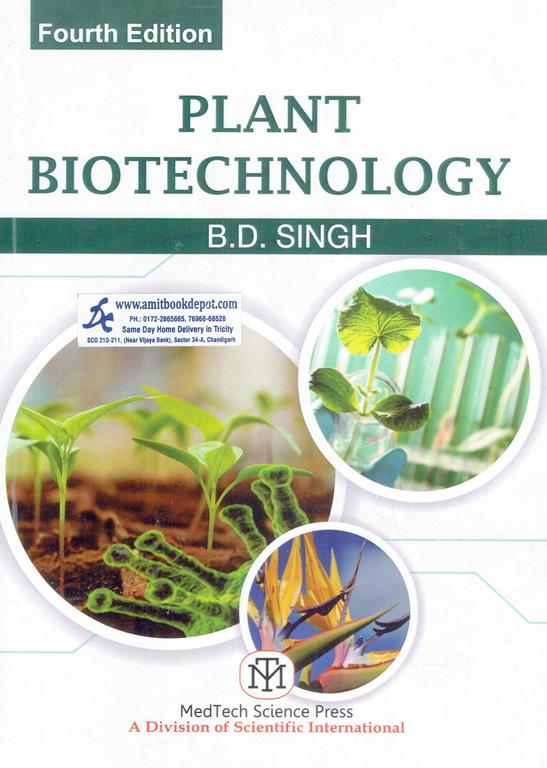
Plant Biotechnology

by Madhurima
₹595 ₹595.00(-/ off)

Rating & Reviews

23 Customer Review

Plant Biotechnology by B. D. Singh (Med Tech Science Press) is a definitive guide on modern biotechnological techniques in agriculture. Covering plant tissue culture, transgenic technology, gene editing (CRISPR), molecular markers, and genomics, this book is essential for students, researchers, and professionals. It explores micropropagation, somatic hybridization, GM crops, biosafety regulations, and intellectual property rights. With updated content on genome mapping, molecular farming, and haploid breeding, it serves as a comprehensive resource for biotechnology, genetics, and agricultural sciences.

Have Doubts Regarding This Product ? Ask Your Question

  • Q1
    Is this book suitable for undergraduate students in biotechnology?
    A1

    Yes, it covers both foundational and advanced topics, making it ideal for undergraduate and postgraduate students.

  • Q2
    Does it include recent advancements like CRISPR gene editing?
    A2

    Yes, Chapter 18 focuses on gene editing, including CRISPR-Cas9 technology.

  • Q3
    Are there practical applications discussed for crop improvement?
    A3

    Absolutely, it covers micropropagation, transgenic plants, and molecular breeding techniques for crop enhancement.

  • Q4
    Does the book discuss biosafety concerns related to GM crops?
    A4

    Yes, Chapter 23 details biosafety regulations and ethical considerations for genetically modified crops.

  • Q5
    Is plant tissue culture explained in detail?
    A5

    Chapters 2-6 extensively cover plant cell culture, micropropagation, and virus-free plant production.

  • Q6
    Are molecular markers and their applications included?
    A6

    Yes, Chapters 21-22 discuss molecular markers and their role in marker-assisted breeding.

  • Q7
    Does it provide insights into intellectual property rights in biotechnology?
    A7

    Chapter 24 covers IPR, patents, and legal aspects of biotech innovations.

  • Q8
    Does it explain somatic hybridization and embryo rescue techniques?
    A8

    Yes, Chapters 8-9 detail distant hybridization and somatic cell fusion.

  • Q9
    Is germplasm conservation discussed?
    A9

    Chapter 5 explains methods for preserving genetic diversity in plants.

  • Q10
    Does the book include genome mapping and genomics?
    A10

    Yes, Chapters 19-20 cover genome analysis and genomic technologies.

0.00

0 Overall Rating
  • 5
    0
  • 4
    0
  • 3
    0
  • 2
    0
  • 1
    0

Try this product & share your review & thoughts

1. Introduction to Plant Biotechnology
2. Plant Cell and Tissue Culture
3. Micropropagation
4. Virus-Free Plants
5. Germplasm Conservation
6. Biochemical Production from Cultured Plant Cells
7. Haploid Production for Hybrid Sorting and Analytical Breeding
8. Technology for Distant Hybridization: I. Embryo Rescue and in Vitro Pollination
9. Technology for Distant Hybridization: II. Somatic Hybridization
10. Somaclonal Variation
11. Recombinant DNA Technology
12. Transgenic Technology : I. Gene Constructs
13. Transgenic Technology : II. Vectors and Transformation Methods
14. Transgenic Plants : I. Resistance to Abiotic and Biotic Stresses
15. Transgenic Plants : II. Quality Modifications and Novel Features
16. Plant Molecular Farming
17. Adoption of GM Crops
18. Gene Editing
19. Genome Maps
20. Genomics
21. Molecular Markers : I. Markers and Marker-Trait Associations
22. Molecular Markers : II. Applications of Molecular Markers
23. Biosafety Concerns and Regulation of GM Crops
24. Intellectual Property Rights
Appendices
Index

Plant Biotechnology by B. D. Singh is a comprehensive and authoritative textbook designed for students, researchers, and professionals in the fields of plant biotechnology, genetic engineering, and agricultural sciences. This book provides an in-depth exploration of modern biotechnological techniques, their applications in crop improvement, and the latest advancements in genetic modification, gene editing, and molecular breeding.

Key Features:

1. Extensive Coverage: The book systematically covers fundamental concepts, methodologies, and applications of plant biotechnology, including plant tissue culture, micropropagation, recombinant DNA technology, transgenic plants, and molecular markers.
2. Updated Content: It includes contemporary topics such as gene editing (CRISPR), genome mapping, genomics, molecular farming, and biosafety regulations for genetically modified (GM) crops.
3. Practical Applications: Detailed discussions on haploid production, somatic hybridization, somaclonal variation, and germplasm conservation provide insights into their role in crop breeding and genetic improvement.
4. Industry-Relevant Knowledge: Chapters on intellectual property rights (IPR) and biosafety concerns address regulatory and ethical aspects of biotechnology applications in agriculture.
5. Structured Learning: Well-organized chapters with clear explanations, diagrams, and appendices enhance understanding for students and researchers.

Why Choose This Book?

1. Comprehensive Resource: Covers both fundamental and advanced topics in plant biotechnology.
2. Up-to-Date Information: Includes CRISPR-Cas9, genome editing, and molecular farming.
3. Balanced Approach: Discusses scientific advancements along with ethical, regulatory, and IPR concerns.
4. Pedagogical Aids: Well-structured with an index and appendices for quick reference.

1. Introduction to Plant Biotechnology
2. Plant Cell and Tissue Culture
3. Micropropagation
4. Virus-Free Plants
5. Germplasm Conservation
6. Biochemical Production from Cultured Plant Cells
7. Haploid Production for Hybrid Sorting and Analytical Breeding
8. Technology for Distant Hybridization: I. Embryo Rescue and in Vitro Pollination
9. Technology for Distant Hybridization: II. Somatic Hybridization
10. Somaclonal Variation
11. Recombinant DNA Technology
12. Transgenic Technology : I. Gene Constructs
13. Transgenic Technology : II. Vectors and Transformation Methods
14. Transgenic Plants : I. Resistance to Abiotic and Biotic Stresses
15. Transgenic Plants : II. Quality Modifications and Novel Features
16. Plant Molecular Farming
17. Adoption of GM Crops
18. Gene Editing
19. Genome Maps
20. Genomics
21. Molecular Markers : I. Markers and Marker-Trait Associations
22. Molecular Markers : II. Applications of Molecular Markers
23. Biosafety Concerns and Regulation of GM Crops
24. Intellectual Property Rights
Appendices
Index

Have Doubts Regarding This Product ? Ask Your Question

  • Q1
    Is this book suitable for undergraduate students in biotechnology?
    A1

    Yes, it covers both foundational and advanced topics, making it ideal for undergraduate and postgraduate students.

  • Q2
    Does it include recent advancements like CRISPR gene editing?
    A2

    Yes, Chapter 18 focuses on gene editing, including CRISPR-Cas9 technology.

  • Q3
    Are there practical applications discussed for crop improvement?
    A3

    Absolutely, it covers micropropagation, transgenic plants, and molecular breeding techniques for crop enhancement.

  • Q4
    Does the book discuss biosafety concerns related to GM crops?
    A4

    Yes, Chapter 23 details biosafety regulations and ethical considerations for genetically modified crops.

  • Q5
    Is plant tissue culture explained in detail?
    A5

    Chapters 2-6 extensively cover plant cell culture, micropropagation, and virus-free plant production.

  • Q6
    Are molecular markers and their applications included?
    A6

    Yes, Chapters 21-22 discuss molecular markers and their role in marker-assisted breeding.

  • Q7
    Does it provide insights into intellectual property rights in biotechnology?
    A7

    Chapter 24 covers IPR, patents, and legal aspects of biotech innovations.

  • Q8
    Does it explain somatic hybridization and embryo rescue techniques?
    A8

    Yes, Chapters 8-9 detail distant hybridization and somatic cell fusion.

  • Q9
    Is germplasm conservation discussed?
    A9

    Chapter 5 explains methods for preserving genetic diversity in plants.

  • Q10
    Does the book include genome mapping and genomics?
    A10

    Yes, Chapters 19-20 cover genome analysis and genomic technologies.

No Syllabus Added

0.00

0 Overall Rating
  • 5
    0
  • 4
    0
  • 3
    0
  • 2
    0
  • 1
    0

Try this product & share your review & thoughts

Top Trending Product

Related Product

Related Product

Related Blog Posts

Latest Blogs

Latest Blogs

blog-img
Classic Literature Reimagined: Discuss modern twists on classic novels.
Lorem ipsum dolor sit amet, consectetur adipiscing elit, sed do eiusmod tempor incididunt ut labore et dolore magna aliqua. Ut enim ad minim veniam, quis nostrud exercitation ullamco Lorem ipsum dolor sit amet, consectetur adipiscing elit, sed do eiusmod tempor incididunt ut labore et dolore magna aliqua. Utenim ad minim veniam, quis nostrud exercitation ullamco Lorem ipsum dolor sit amet, consecte...
Read more
Author name | 10 jan, 2025
blog-img
Classic Literature Reimagined: Discuss modern twists on classic novels.
Lorem ipsum dolor sit amet, consectetur adipiscing elit, sed do eiusmod tempor incididunt ut labore et dolore magna aliqua. Ut enim ad minim veniam, quis nostrud exercitation ullamco Lorem ipsum dolor sit amet, consectetur adipiscing elit, sed do eiusmod tempor incididunt ut labore et dolore magna aliqua. Utenim ad minim veniam, quis nostrud exercitation ullamco Lorem ipsum dolor sit amet, consecte...
Read more
Author name | 10 jan, 2025
blog-img
Classic Literature Reimagined: Discuss modern twists on classic novels.
Lorem ipsum dolor sit amet, consectetur adipiscing elit, sed do eiusmod tempor incididunt ut labore et dolore magna aliqua. Ut enim ad minim veniam, quis nostrud exercitation ullamco Lorem ipsum dolor sit amet, consectetur adipiscing elit, sed do eiusmod tempor incididunt ut labore et dolore magna aliqua. Utenim ad minim veniam, quis nostrud exercitation ullamco Lorem ipsum dolor sit amet, consecte...
Read more
Author name | 10 jan, 2025
blog-img
Classic Literature Reimagined: Discuss modern twists on classic novels.
Lorem ipsum dolor sit amet, consectetur adipiscing elit...
Read more
Author Name | 10 Jan, 2025
blog-img
Classic Literature Reimagined: Discuss modern twists on classic novels.
Lorem ipsum dolor sit amet, consectetur adipiscing elit...
Read more
Author Name | 10 Jan, 2025
blog-img
Classic Literature Reimagined: Discuss modern twists on classic novels.
Lorem ipsum dolor sit amet, consectetur adipiscing elit...
Read more
Author Name | 10 Jan, 2025
blog-img
Classic Literature Reimagined: Discuss modern twists on classic novels.
Lorem ipsum dolor sit amet, consectetur adipiscing elit...
Read more
Author Name | 10 Jan, 2025
blog-img
Classic Literature Reimagined: Discuss modern twists on classic novels.
Lorem ipsum dolor sit amet, consectetur adipiscing elit...
Read more
Author Name | 10 Jan, 2025
blog-img
Classic Literature Reimagined: Discuss modern twists on classic novels.
Lorem ipsum dolor sit amet, consectetur adipiscing elit...
Read more
Author Name | 10 Jan, 2025
blog-img
Classic Literature Reimagined: Discuss modern twists on classic novels.
Lorem ipsum dolor sit amet, consectetur adipiscing elit...
Read more
Author Name | 10 Jan, 2025
blog-img
Classic Literature Reimagined: Discuss modern twists on classic novels.
Lorem ipsum dolor sit amet, consectetur adipiscing elit...
Read more
Author Name | 10 Jan, 2025
blog-img
Classic Literature Reimagined: Discuss modern twists on classic novels.
Lorem ipsum dolor sit amet, consectetur adipiscing elit...
Read more
Author Name | 10 Jan, 2025