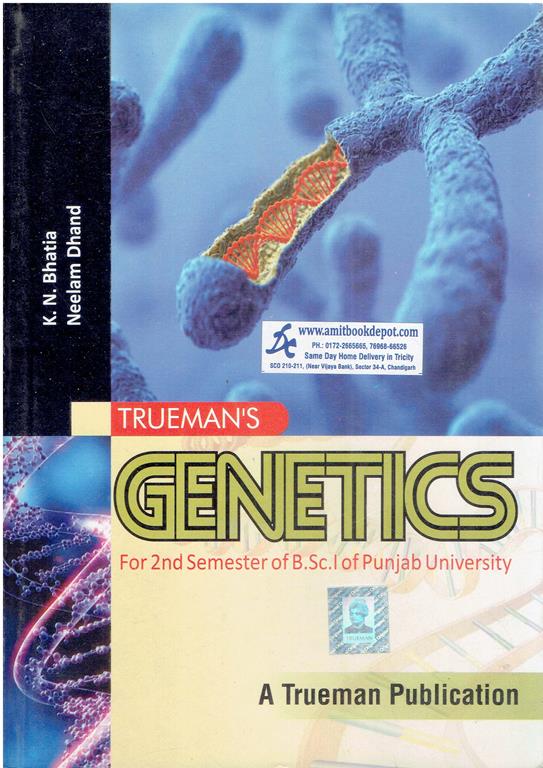
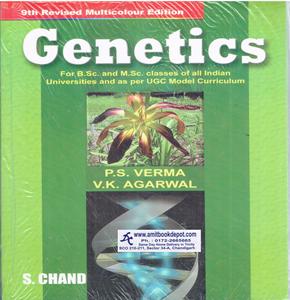
The book is structured with foundational chapters that suit undergraduate learners, while also including advanced topics, recent developments, and detailed explanations that benefit postgraduate students and researchers.
Yes, the book contains numerous diagrams, figures, and illustrations to clarify complex processes such as DNA replication, chromosomal mutations, and gene regulation, enhancing visual learning.
Absolutely. It includes sections on genomics, bioinformatics, proteomics, and other recent technological developments to keep readers updated with the latest trends in genetics.
Yes, each chapter features review questions, key points, and summaries that aid in self-assessment and exam preparation.
Yes, the book dedicates specific sections to human genetics, genetic disorders, and the genetics of cancer, emphasizing their practical applications.
These topics are explained with detailed descriptions, supported by diagrams, and real-world examples to facilitate understanding of chromosomal behavior during inheritance.
Yes, Part Two includes profiles of prominent geneticists and molecular biologists, providing historical and contextual insights into the evolution of genetic science.
Yes, its concise summaries, review questions, and comprehensive coverage make it a valuable resource for exam preparation in genetics and related entrance tests.
Definitely. The glossary offers clear definitions of key terms, aiding in better comprehension of complex scientific vocabulary.
Yes, the concluding chapters explore future trends, innovations, and potential developments in the field of genetics and genetic engineering.
No Description Added
The book is structured with foundational chapters that suit undergraduate learners, while also including advanced topics, recent developments, and detailed explanations that benefit postgraduate students and researchers.
Yes, the book contains numerous diagrams, figures, and illustrations to clarify complex processes such as DNA replication, chromosomal mutations, and gene regulation, enhancing visual learning.
Absolutely. It includes sections on genomics, bioinformatics, proteomics, and other recent technological developments to keep readers updated with the latest trends in genetics.
Yes, each chapter features review questions, key points, and summaries that aid in self-assessment and exam preparation.
Yes, the book dedicates specific sections to human genetics, genetic disorders, and the genetics of cancer, emphasizing their practical applications.
These topics are explained with detailed descriptions, supported by diagrams, and real-world examples to facilitate understanding of chromosomal behavior during inheritance.
Yes, Part Two includes profiles of prominent geneticists and molecular biologists, providing historical and contextual insights into the evolution of genetic science.
Yes, its concise summaries, review questions, and comprehensive coverage make it a valuable resource for exam preparation in genetics and related entrance tests.
Definitely. The glossary offers clear definitions of key terms, aiding in better comprehension of complex scientific vocabulary.
Yes, the concluding chapters explore future trends, innovations, and potential developments in the field of genetics and genetic engineering.