The nucleus houses genetic material (DNA), controls gene expression, regulates cell metabolism, and directs ribonucleic acid (RNA) synthesis during cell growth and division.
Through semi-conservative replication, each new DNA molecule contains one original and one new strand, preserving the exact sequence of genes for daughter cells.
Mitosis produces two identical diploid cells for growth. Meiosis produces four haploid gametes via two divisions, enabling genetic variation through chromosome segregation.
It modifies, sorts, and packages proteins and lipids into vesicles for secretion or delivery to lysosomes, cell membrane, or other organelles.
Mitochondria generate ATP through oxidative phosphorylation. They utilise pyruvate and oxygen in cell respiration to produce energy for cellular work.
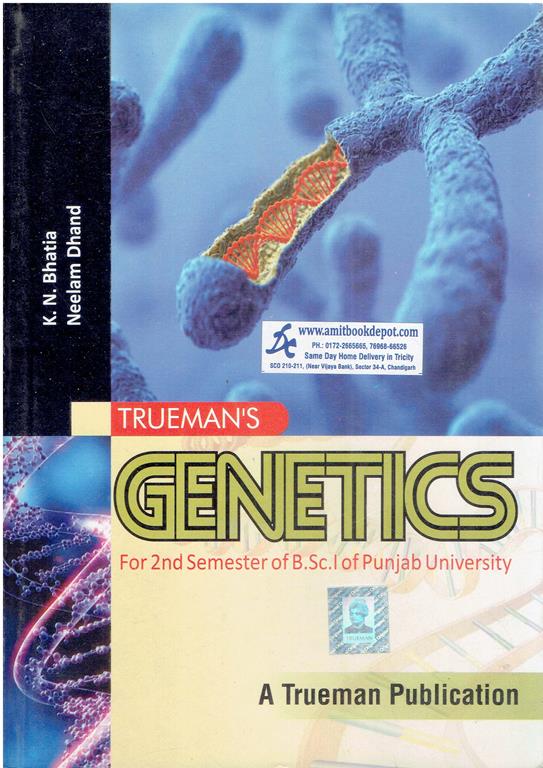
A chromosome consists of a single DNA molecule wrapped around histone proteins, forming chromatin. It has a centromere, telomeres, and arms for organisation.
Lysosomes contain hydrolytic enzymes that digest foreign particles, damaged organelles, or pathogens through phagocytosis or autophagy, acting as the cell’s waste disposal.
Chloroplasts (a type of plastid) capture light energy using chlorophyll to convert CO₂ and water into glucose and oxygen via light-dependent and Calvin cycle reactions.
The genetic code is a triplet codon set (A, U, G, C) that specifies each amino acid during translation. It is universal, degenerate, and non-overlapping.
Both have a 9+2 microtubule arrangement, but cilia are shorter and numerous (e.g., respiratory tract), while flagella are longer and fewer (e.g., sperm tail).
No Description Added
The nucleus houses genetic material (DNA), controls gene expression, regulates cell metabolism, and directs ribonucleic acid (RNA) synthesis during cell growth and division.
Through semi-conservative replication, each new DNA molecule contains one original and one new strand, preserving the exact sequence of genes for daughter cells.
Mitosis produces two identical diploid cells for growth. Meiosis produces four haploid gametes via two divisions, enabling genetic variation through chromosome segregation.
It modifies, sorts, and packages proteins and lipids into vesicles for secretion or delivery to lysosomes, cell membrane, or other organelles.
Mitochondria generate ATP through oxidative phosphorylation. They utilise pyruvate and oxygen in cell respiration to produce energy for cellular work.
A chromosome consists of a single DNA molecule wrapped around histone proteins, forming chromatin. It has a centromere, telomeres, and arms for organisation.
Lysosomes contain hydrolytic enzymes that digest foreign particles, damaged organelles, or pathogens through phagocytosis or autophagy, acting as the cell’s waste disposal.
Chloroplasts (a type of plastid) capture light energy using chlorophyll to convert CO₂ and water into glucose and oxygen via light-dependent and Calvin cycle reactions.
The genetic code is a triplet codon set (A, U, G, C) that specifies each amino acid during translation. It is universal, degenerate, and non-overlapping.
Both have a 9+2 microtubule arrangement, but cilia are shorter and numerous (e.g., respiratory tract), while flagella are longer and fewer (e.g., sperm tail).