-
Mon-Fri: 10AM to 8PM 01722665665
-
My Account
-
-
0
Total :
₹ 0.00

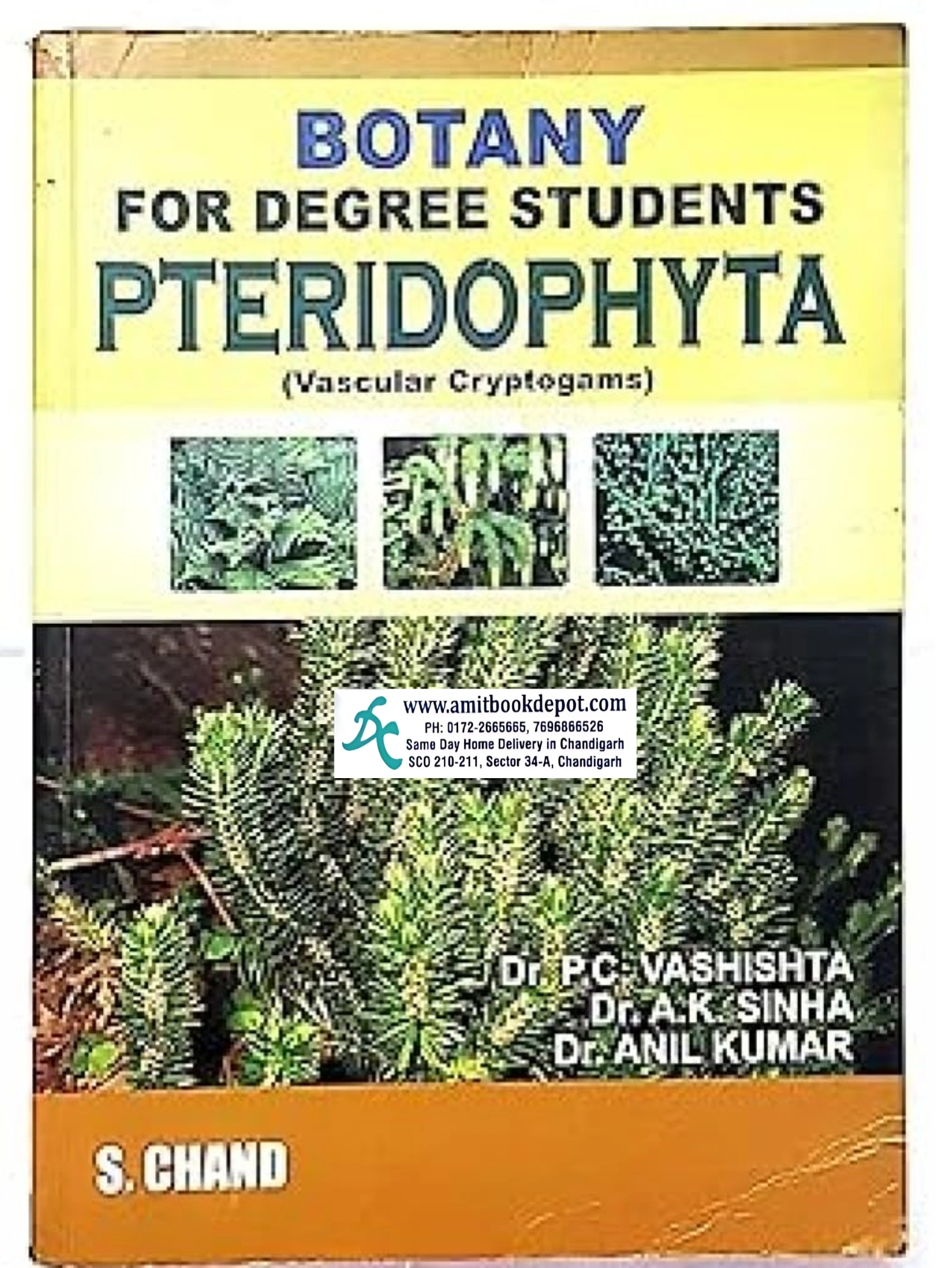
This book is structured to foster a holistic and multidisciplinary understanding of Pteridophyta, a key focus of NEP 2020. It moves beyond rote taxonomy to integrate concepts of plant evolution, comparative morphology, and ecological significance, encouraging critical thinking and a broader perspective in botanical studies, as recommended by the new policy framework.
Yes, while its primary focus is on extant genera, the book provides a foundational discussion on fossil groups like the Psilophytopsida and places them within an evolutionary context in relevant chapters (e.g., Chapter 2, 3) and the concluding "General Discussion," helping students understand the phylogeny and progression of vascular plants.
Absolutely. While it serves as a core textbook for B.Sc., the depth of coverage—especially in systematic treatment of families (e.g., Polypodiaceae subfamilies), comparative anatomy, and life cycle details—makes it an excellent foundational reference for M.Sc. students. The bibliography also guides you towards more advanced research materials.
Yes. The book features clear, well-labeled diagrams and illustrations for the life cycles, reproductive structures, and anatomy of key genera, including heterosporous types like Selaginella (Lycophyta) and Marsilea (Marsileales), which are crucial for visual learning and exam preparation.
Yes. Chapter 19 is dedicated to Salviniales, which includes genera like Salvinia and Azolla. Their morphology, reproduction, and unique adaptations are covered, making the book relevant for competitive exam preparation where these economically and ecologically important plants are often highlighted.
The book follows a well-established classical taxonomy suitable for university syllabi, while also incorporating contemporary insights. It provides a solid foundation in traditional classification systems, which is essential for degree-level examinations. For the latest phylogenetic updates, students are directed to consult specialized research papers.
This book is designed to be a primary and comprehensive textbook that covers the vast majority of topics prescribed in Indian university syllabi. For most students, it will be sufficient. However, for specific research topics or extreme depth on a particular genus, consulting the referenced books in the bibliography may be beneficial.
Yes, aspects of economic and ecological importance are integrated throughout the relevant chapters (e.g., discussing Azolla as biofertilizer, ferns in horticulture) and are synthesized in the "General Discussion" chapter, providing a practical perspective on the subject matter.
This book provides a strong foundational understanding of cytology (like meiosis in sporangia) and embryology (like development of gametophyte and sporophyte) essential for CSIR-NET. For highly specialized or advanced research-level questions, candidates should supplement it with advanced texts and review articles.
Yes. S. Chand Publishing is known for its good production standards. The book is printed on clear, opaque paper, and the diagrams, illustrations, and text are sharp and legible, ensuring a comfortable reading and study experience.
No Description Added
This book is structured to foster a holistic and multidisciplinary understanding of Pteridophyta, a key focus of NEP 2020. It moves beyond rote taxonomy to integrate concepts of plant evolution, comparative morphology, and ecological significance, encouraging critical thinking and a broader perspective in botanical studies, as recommended by the new policy framework.
Yes, while its primary focus is on extant genera, the book provides a foundational discussion on fossil groups like the Psilophytopsida and places them within an evolutionary context in relevant chapters (e.g., Chapter 2, 3) and the concluding "General Discussion," helping students understand the phylogeny and progression of vascular plants.
Absolutely. While it serves as a core textbook for B.Sc., the depth of coverage—especially in systematic treatment of families (e.g., Polypodiaceae subfamilies), comparative anatomy, and life cycle details—makes it an excellent foundational reference for M.Sc. students. The bibliography also guides you towards more advanced research materials.
Yes. The book features clear, well-labeled diagrams and illustrations for the life cycles, reproductive structures, and anatomy of key genera, including heterosporous types like Selaginella (Lycophyta) and Marsilea (Marsileales), which are crucial for visual learning and exam preparation.
Yes. Chapter 19 is dedicated to Salviniales, which includes genera like Salvinia and Azolla. Their morphology, reproduction, and unique adaptations are covered, making the book relevant for competitive exam preparation where these economically and ecologically important plants are often highlighted.
The book follows a well-established classical taxonomy suitable for university syllabi, while also incorporating contemporary insights. It provides a solid foundation in traditional classification systems, which is essential for degree-level examinations. For the latest phylogenetic updates, students are directed to consult specialized research papers.
This book is designed to be a primary and comprehensive textbook that covers the vast majority of topics prescribed in Indian university syllabi. For most students, it will be sufficient. However, for specific research topics or extreme depth on a particular genus, consulting the referenced books in the bibliography may be beneficial.
Yes, aspects of economic and ecological importance are integrated throughout the relevant chapters (e.g., discussing Azolla as biofertilizer, ferns in horticulture) and are synthesized in the "General Discussion" chapter, providing a practical perspective on the subject matter.
This book provides a strong foundational understanding of cytology (like meiosis in sporangia) and embryology (like development of gametophyte and sporophyte) essential for CSIR-NET. For highly specialized or advanced research-level questions, candidates should supplement it with advanced texts and review articles.
Yes. S. Chand Publishing is known for its good production standards. The book is printed on clear, opaque paper, and the diagrams, illustrations, and text are sharp and legible, ensuring a comfortable reading and study experience.