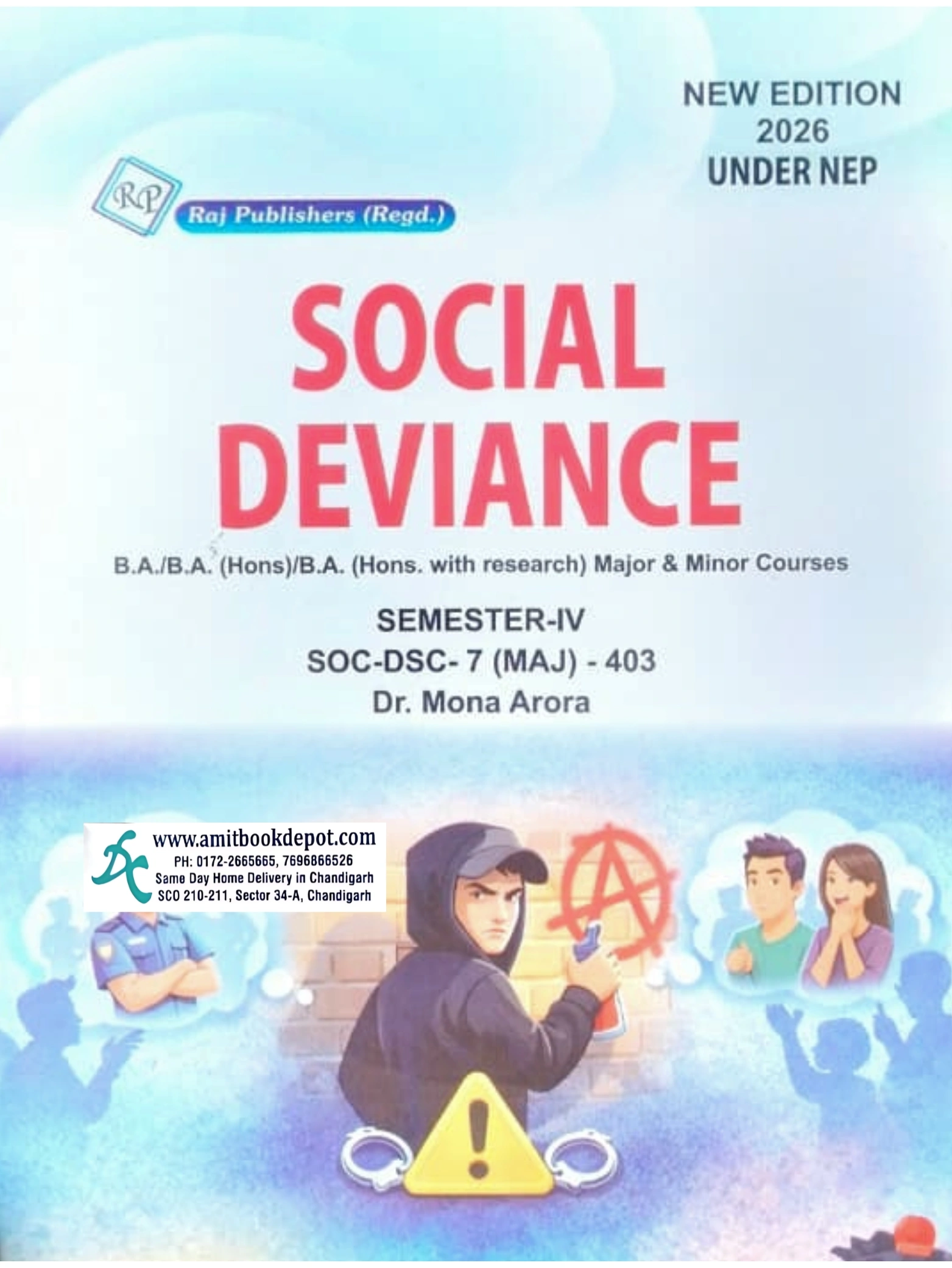
Deviance refers to any action, belief, or condition that violates significant social norms in the society or group in which it occurs, often eliciting a negative reaction.
Deviant behavior is a single act of transgression, while a deviant role occurs when deviance becomes a master status, shaping an individual's identity, like a "thief" or "addict."
Biological theories suggest that deviance is caused by inherent physical or genetic abnormalities, linking an individual's physiological makeup to a predisposition for criminal or non-normative behavior.
C.H. Cooley contributed the concept of the "looking-glass self" and primary groups, emphasizing how face-to-face interactions shape an individual's sense of self and conformity.
Anomie is a state of normlessness that occurs during rapid social change, where existing norms and values break down, leaving individuals feeling disconnected and without moral guidance.
Becker stated that deviance is not a quality of the act itself, but a consequence of the application by others of rules and sanctions to an "offender." The label creates the deviance.
Primary deviance is the initial act of rule-breaking with little social impact. Secondary deviance occurs when an individual internalizes a deviant label imposed by society, leading to further deviance.
Socialization is the primary process through which individuals internalize societal norms and values, teaching self-control and conformity from an early age via agencies like family and school.
Passive sympathy refers to an internalized, subconscious feeling of connection with others that naturally discourages individuals from actions that might harm or distress their community.
Cybercrime is any illegal activity that uses a computer or network as its primary means, tool, or target, such as hacking, online fraud, or identity theft, representing a modern form of deviance.
No Description Added
Deviance refers to any action, belief, or condition that violates significant social norms in the society or group in which it occurs, often eliciting a negative reaction.
Deviant behavior is a single act of transgression, while a deviant role occurs when deviance becomes a master status, shaping an individual's identity, like a "thief" or "addict."
Biological theories suggest that deviance is caused by inherent physical or genetic abnormalities, linking an individual's physiological makeup to a predisposition for criminal or non-normative behavior.
C.H. Cooley contributed the concept of the "looking-glass self" and primary groups, emphasizing how face-to-face interactions shape an individual's sense of self and conformity.
Anomie is a state of normlessness that occurs during rapid social change, where existing norms and values break down, leaving individuals feeling disconnected and without moral guidance.
Becker stated that deviance is not a quality of the act itself, but a consequence of the application by others of rules and sanctions to an "offender." The label creates the deviance.
Primary deviance is the initial act of rule-breaking with little social impact. Secondary deviance occurs when an individual internalizes a deviant label imposed by society, leading to further deviance.
Socialization is the primary process through which individuals internalize societal norms and values, teaching self-control and conformity from an early age via agencies like family and school.
Passive sympathy refers to an internalized, subconscious feeling of connection with others that naturally discourages individuals from actions that might harm or distress their community.
Cybercrime is any illegal activity that uses a computer or network as its primary means, tool, or target, such as hacking, online fraud, or identity theft, representing a modern form of deviance.