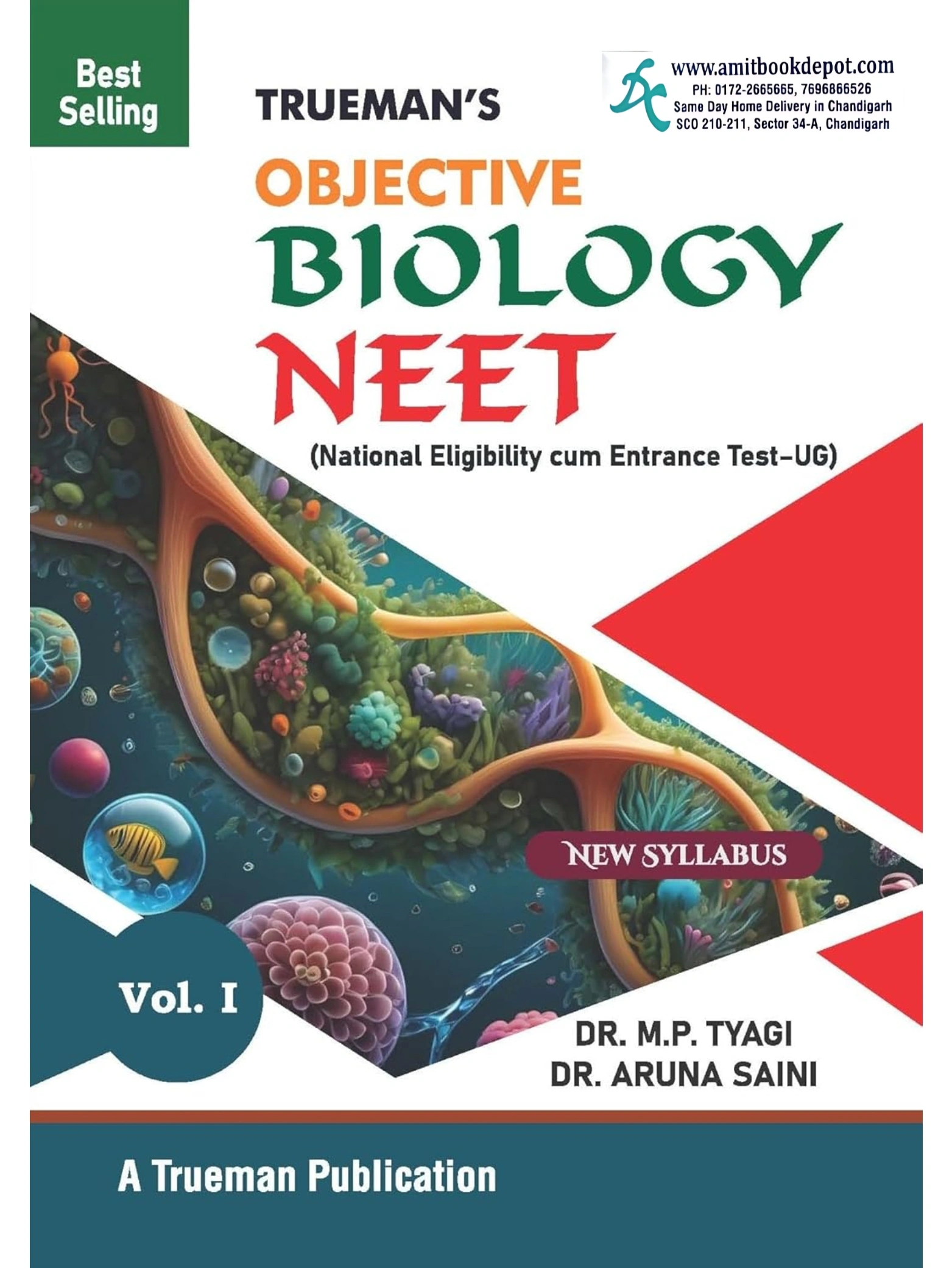
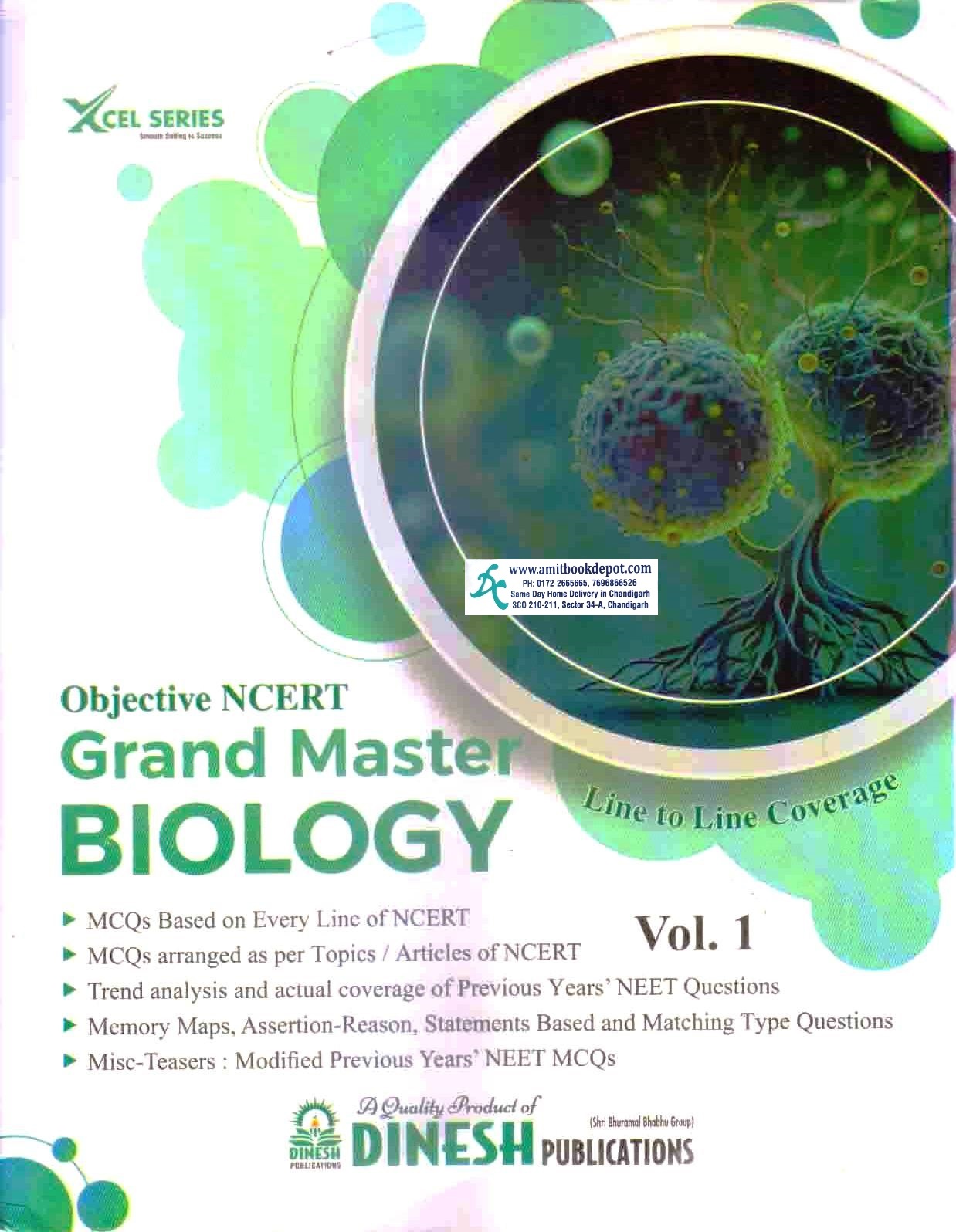
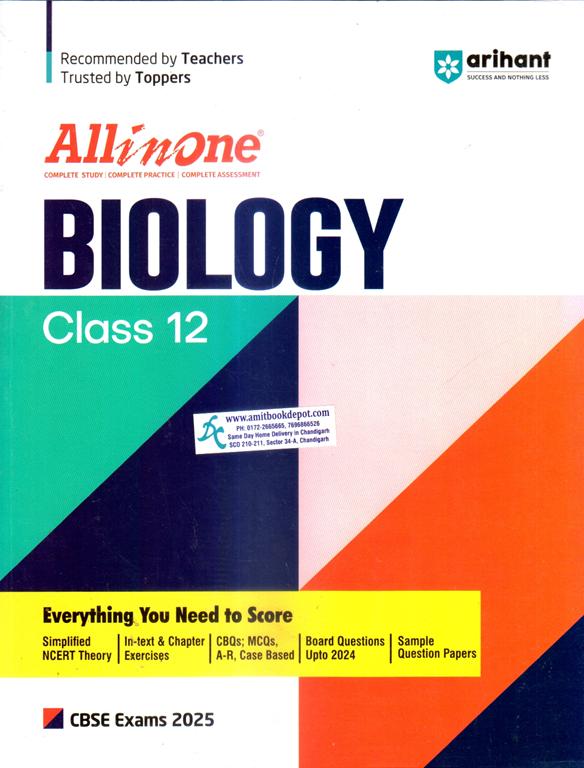
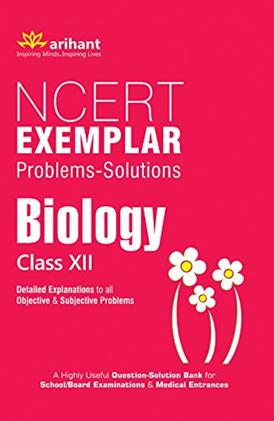
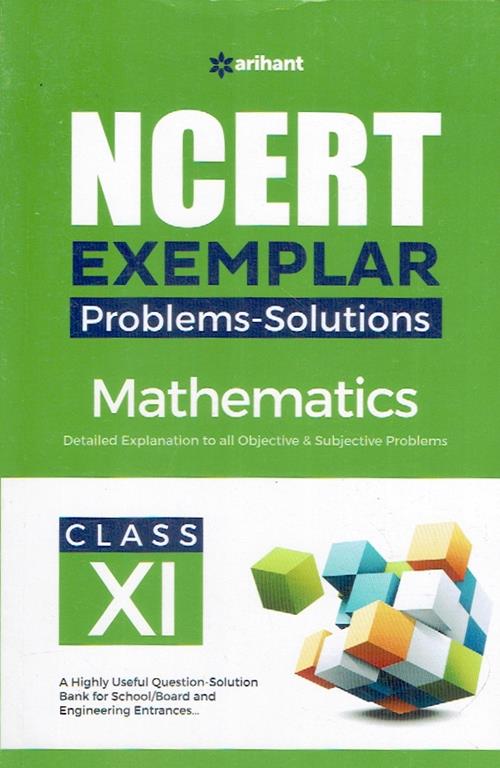
The NCERT Biology textbook for Class 11, following a line-by-line approach for comprehensive coverage.
It is meticulously designed to build a strong foundation for the NEET (medical entrance) examination.
It includes assertion-reason questions, case-based questions, match the columns, and fill-in-the-blanks.
Yes, it comprehensively covers Plant Physiology, including photosynthesis, respiration, and plant growth and development.
Yes, it covers all Human Physiology chapters like breathing, circulation, excretion, and neural control.
Through detailed diagram-based questions and MCQs on morphology, anatomy, and tissues of flowering plants and animals.
Yes, it includes a dedicated section with NCERT Exemplar MCQs to reinforce higher-level conceptual understanding.
Questions cover the structure of prokaryotic and eukaryotic cells, cell organelles, and the endomembrane system.
It tests the salient features of the five-kingdom classification, including Monera, Protista, and Fungi.
Yes, it includes questions on skeletal muscle, contractile proteins, and disorders of the muscular and skeletal system.
No Description Added
The NCERT Biology textbook for Class 11, following a line-by-line approach for comprehensive coverage.
It is meticulously designed to build a strong foundation for the NEET (medical entrance) examination.
It includes assertion-reason questions, case-based questions, match the columns, and fill-in-the-blanks.
Yes, it comprehensively covers Plant Physiology, including photosynthesis, respiration, and plant growth and development.
Yes, it covers all Human Physiology chapters like breathing, circulation, excretion, and neural control.
Through detailed diagram-based questions and MCQs on morphology, anatomy, and tissues of flowering plants and animals.
Yes, it includes a dedicated section with NCERT Exemplar MCQs to reinforce higher-level conceptual understanding.
Questions cover the structure of prokaryotic and eukaryotic cells, cell organelles, and the endomembrane system.
It tests the salient features of the five-kingdom classification, including Monera, Protista, and Fungi.
Yes, it includes questions on skeletal muscle, contractile proteins, and disorders of the muscular and skeletal system.