-
Mon-Fri: 10AM to 8PM 01722665665
-
My Account
-
-
0
Total :
₹ 0.00

 (NEW).jpg)
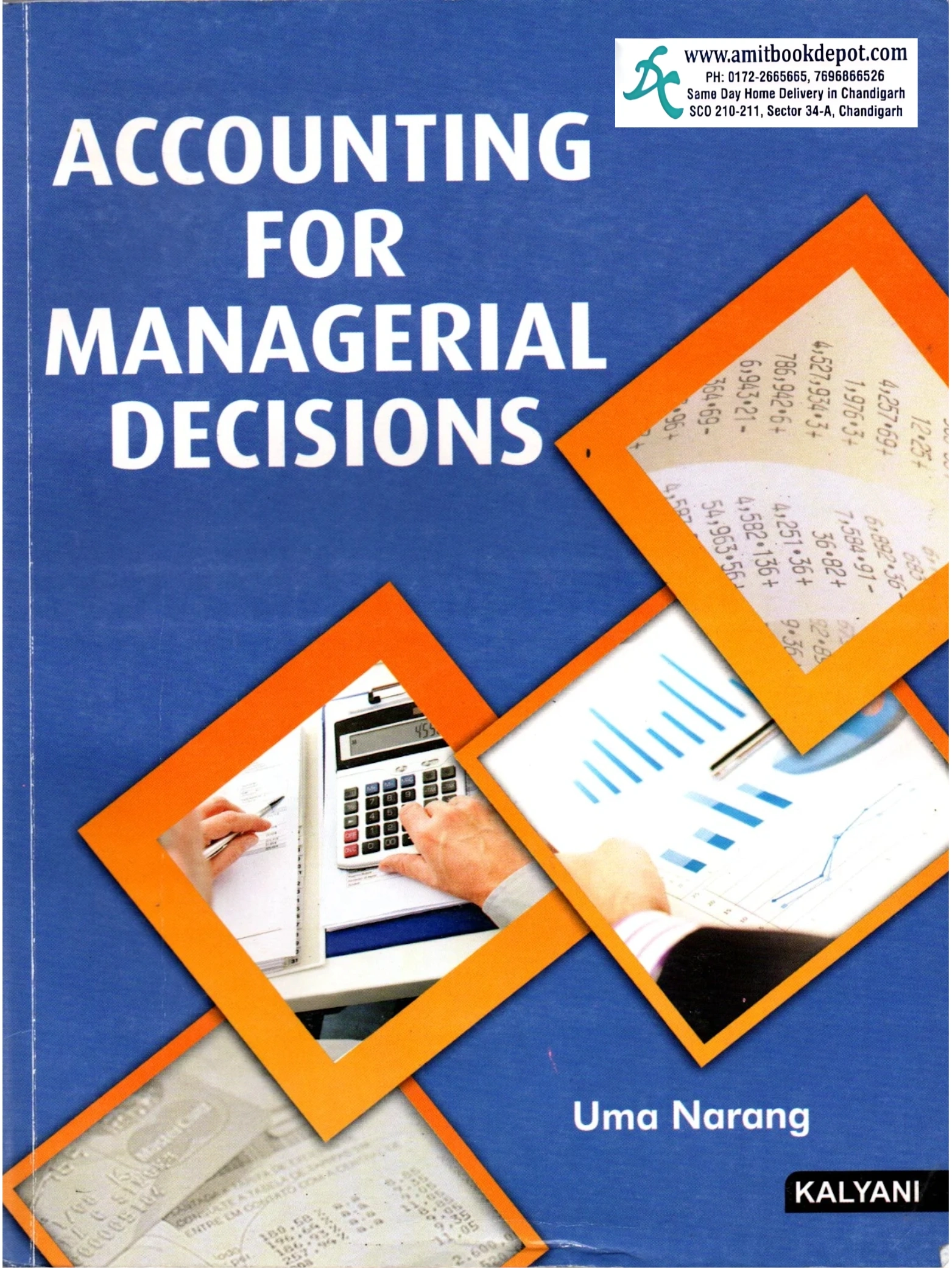
Yes, it is meticulously designed for the M.Com. 1st Semester (Paper MC 102) core paper as per the latest Punjabi University, Patiala syllabus.
It comprehensively covers comparative statements, common-size statements, trend analysis, and ratio analysis (including AS 20) for in-depth financial interpretation.
Yes, the textbook provides a thorough analysis of both fund flow and cash flow analysis, with special reference to Accounting Standard 3 (AS 3).
Applications of Marginal Costing and Cost Volume Profit (CVP) analysis for decision-making are covered extensively in Unit I.
It covers the concept, philosophy, value chain analysis, strategic positioning, and cost driver analysis to help manage costs strategically.
Absolutely. The book features a dedicated chapter on Balanced Scorecards, including its implementation process and strategic-based control.
Yes, within the Budgetary Control chapter, it provides an introduction to modern techniques like Performance Budgeting and Zero-Base Budgeting (ZBB).
The content is structured according to the university's three-section question paper pattern, covering both long and short answer questions.
Yes, as part of the Traditional Cost Management System, it elaborates on factors affecting cost management and the methods of cost assignment.
The book places special emphasis on key standards like AS 3 (Cash Flow Statements) and AS 20 (Earnings Per Share) within their relevant chapters.
No Description Added
Yes, it is meticulously designed for the M.Com. 1st Semester (Paper MC 102) core paper as per the latest Punjabi University, Patiala syllabus.
It comprehensively covers comparative statements, common-size statements, trend analysis, and ratio analysis (including AS 20) for in-depth financial interpretation.
Yes, the textbook provides a thorough analysis of both fund flow and cash flow analysis, with special reference to Accounting Standard 3 (AS 3).
Applications of Marginal Costing and Cost Volume Profit (CVP) analysis for decision-making are covered extensively in Unit I.
It covers the concept, philosophy, value chain analysis, strategic positioning, and cost driver analysis to help manage costs strategically.
Absolutely. The book features a dedicated chapter on Balanced Scorecards, including its implementation process and strategic-based control.
Yes, within the Budgetary Control chapter, it provides an introduction to modern techniques like Performance Budgeting and Zero-Base Budgeting (ZBB).
The content is structured according to the university's three-section question paper pattern, covering both long and short answer questions.
Yes, as part of the Traditional Cost Management System, it elaborates on factors affecting cost management and the methods of cost assignment.
The book places special emphasis on key standards like AS 3 (Cash Flow Statements) and AS 20 (Earnings Per Share) within their relevant chapters.