-
Mon-Fri: 10AM to 8PM 01722665665
-
My Account
-
-
0
Total :
₹ 0.00

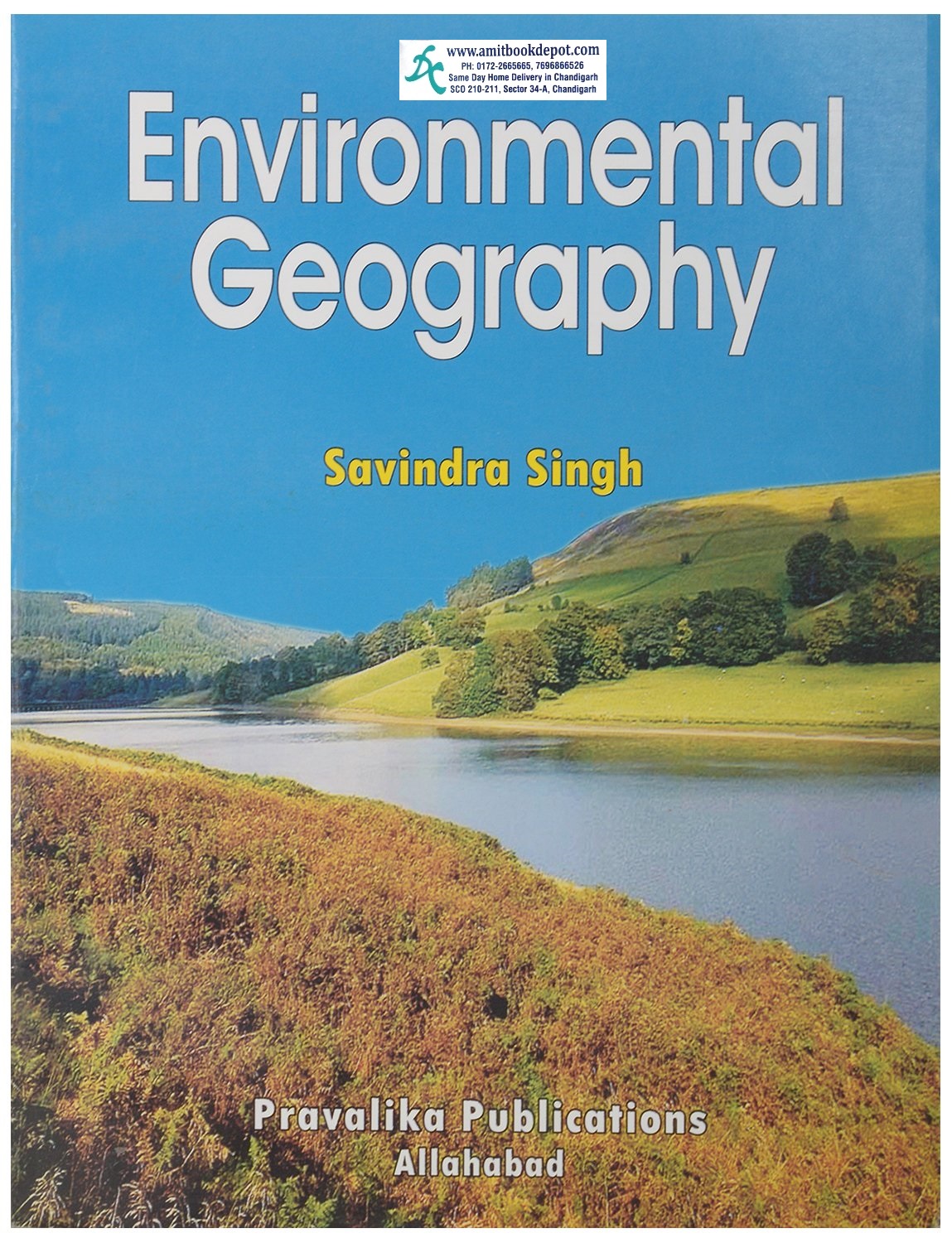



It studies spatial interactions between human societies and natural environments, emphasizing reciprocal relationships, resource use, and impacts of anthropogenic activities on ecosystems.
As a dynamic, two-way interaction where humans adapt to and modify physical surroundings, creating cultural landscapes while being constrained by natural processes.
A functional unit of living organisms interacting with non-physical components, linked by energy flow and nutrient cycling within a defined space.
Through primary productivity (plants converting solar energy via photosynthesis) and secondary productivity (consumers assimilating energy from organic matter).
It is the global ecological system integrating all life zones (litho-, hydro-, atmo-sphere) where matter cycles and energy flows sustain planetary functions.
As major life zones (tundra, grassland, forest, desert) defined by climate, vegetation, and animal adaptations, each with distinct ecological processes.
Terrestrial hazards (earthquakes, volcanoes, landslides) originate from lithospheric processes; atmospheric hazards (cyclones, droughts, floods) stem from weather extremes.
Deterioration of environmental quality through resource depletion, ecosystem destruction, and pollution, reducing biological diversity and human well-being.
Through in-situ (biosphere reserves, national parks, wildlife sanctuaries) and ex-situ (gene banks, zoos) methods, balancing preservation with sustainable use.
Anthropogenic greenhouse gas emissions trap heat, altering climate systems, sea levels, and weather extremes, disrupting man-environment equilibrium.
No Description Added
It studies spatial interactions between human societies and natural environments, emphasizing reciprocal relationships, resource use, and impacts of anthropogenic activities on ecosystems.
As a dynamic, two-way interaction where humans adapt to and modify physical surroundings, creating cultural landscapes while being constrained by natural processes.
A functional unit of living organisms interacting with non-physical components, linked by energy flow and nutrient cycling within a defined space.
Through primary productivity (plants converting solar energy via photosynthesis) and secondary productivity (consumers assimilating energy from organic matter).
It is the global ecological system integrating all life zones (litho-, hydro-, atmo-sphere) where matter cycles and energy flows sustain planetary functions.
As major life zones (tundra, grassland, forest, desert) defined by climate, vegetation, and animal adaptations, each with distinct ecological processes.
Terrestrial hazards (earthquakes, volcanoes, landslides) originate from lithospheric processes; atmospheric hazards (cyclones, droughts, floods) stem from weather extremes.
Deterioration of environmental quality through resource depletion, ecosystem destruction, and pollution, reducing biological diversity and human well-being.
Through in-situ (biosphere reserves, national parks, wildlife sanctuaries) and ex-situ (gene banks, zoos) methods, balancing preservation with sustainable use.
Anthropogenic greenhouse gas emissions trap heat, altering climate systems, sea levels, and weather extremes, disrupting man-environment equilibrium.