-
Mon-Fri: 10AM to 8PM 01722665665
-
My Account
-
-
0
Total :
₹ 0.00

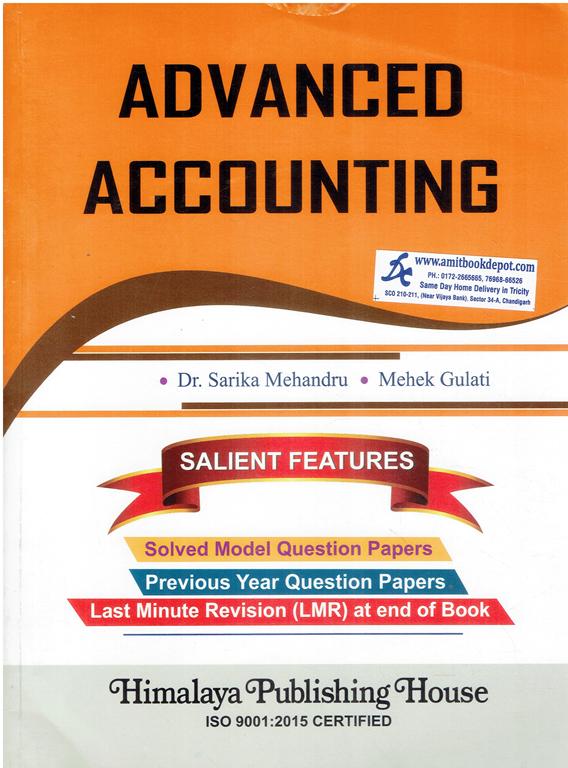

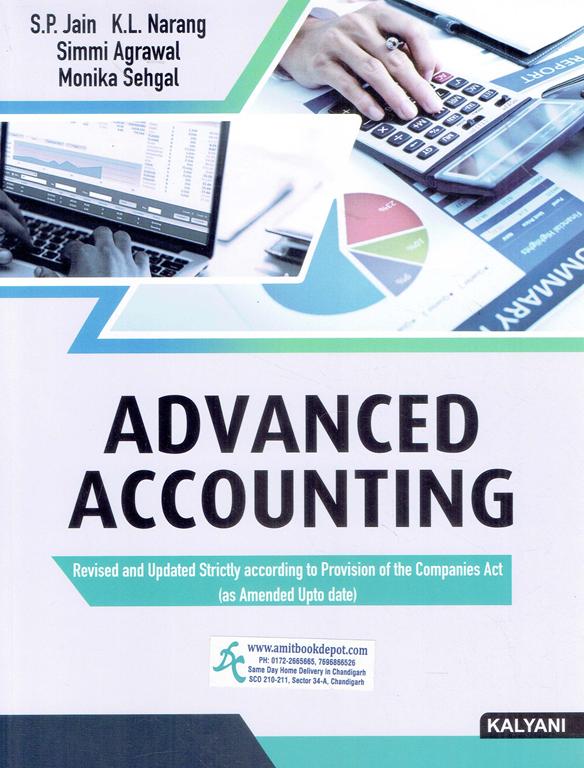
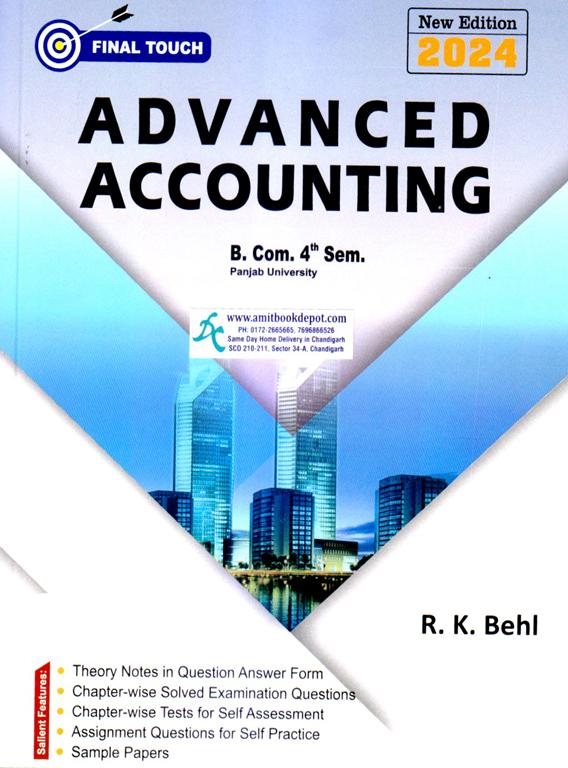
Designed exclusively for BCom 4th Semester students of Panjab University, Chandigarh, covering Major course NBCM-A&F 304 – Advanced Accounting syllabus.
Unit I covers Valuation, Insurance, Hire-Purchase, and Investment Accounts. Unit II covers Amalgamation, Reconstructions, Holding Companies, and Liquidation.
Yes, Chapter 2 covers Valuation of Goodwill including average profit, super profit, and capitalization methods as per PU requirements.
Insurance Claims chapter covers loss of stock and loss of profit policies, including calculation of claim amounts and average clause application.
Yes, Accounts of Holding Companies includes preparation of Consolidated Balance Sheets (CBS), mutual ownership, revaluation of assets, and bonus issues.
LMR is a concise revision guide at the end of the book for quick recaps before the examination.
Chapter 10 covers Liquidation of Companies, including preparation of Liquidator’s Final Statement of Account and order of payment.
Yes, the book notes that non-programmable calculators are permitted in exams as per university regulations.
Section A has four numericals out of six; Sections B and C have at least two numericals out of four questions.
Chapter 6 covers Accounting for Amalgamation and Absorption excluding inter-holding problems as per PU syllabus.
No Description Added
Designed exclusively for BCom 4th Semester students of Panjab University, Chandigarh, covering Major course NBCM-A&F 304 – Advanced Accounting syllabus.
Unit I covers Valuation, Insurance, Hire-Purchase, and Investment Accounts. Unit II covers Amalgamation, Reconstructions, Holding Companies, and Liquidation.
Yes, Chapter 2 covers Valuation of Goodwill including average profit, super profit, and capitalization methods as per PU requirements.
Insurance Claims chapter covers loss of stock and loss of profit policies, including calculation of claim amounts and average clause application.
Yes, Accounts of Holding Companies includes preparation of Consolidated Balance Sheets (CBS), mutual ownership, revaluation of assets, and bonus issues.
LMR is a concise revision guide at the end of the book for quick recaps before the examination.
Chapter 10 covers Liquidation of Companies, including preparation of Liquidator’s Final Statement of Account and order of payment.
Yes, the book notes that non-programmable calculators are permitted in exams as per university regulations.
Section A has four numericals out of six; Sections B and C have at least two numericals out of four questions.
Chapter 6 covers Accounting for Amalgamation and Absorption excluding inter-holding problems as per PU syllabus.