-
Mon-Fri: 10AM to 8PM 01722665665
-
My Account
-
-
0
Total :
₹ 0.00

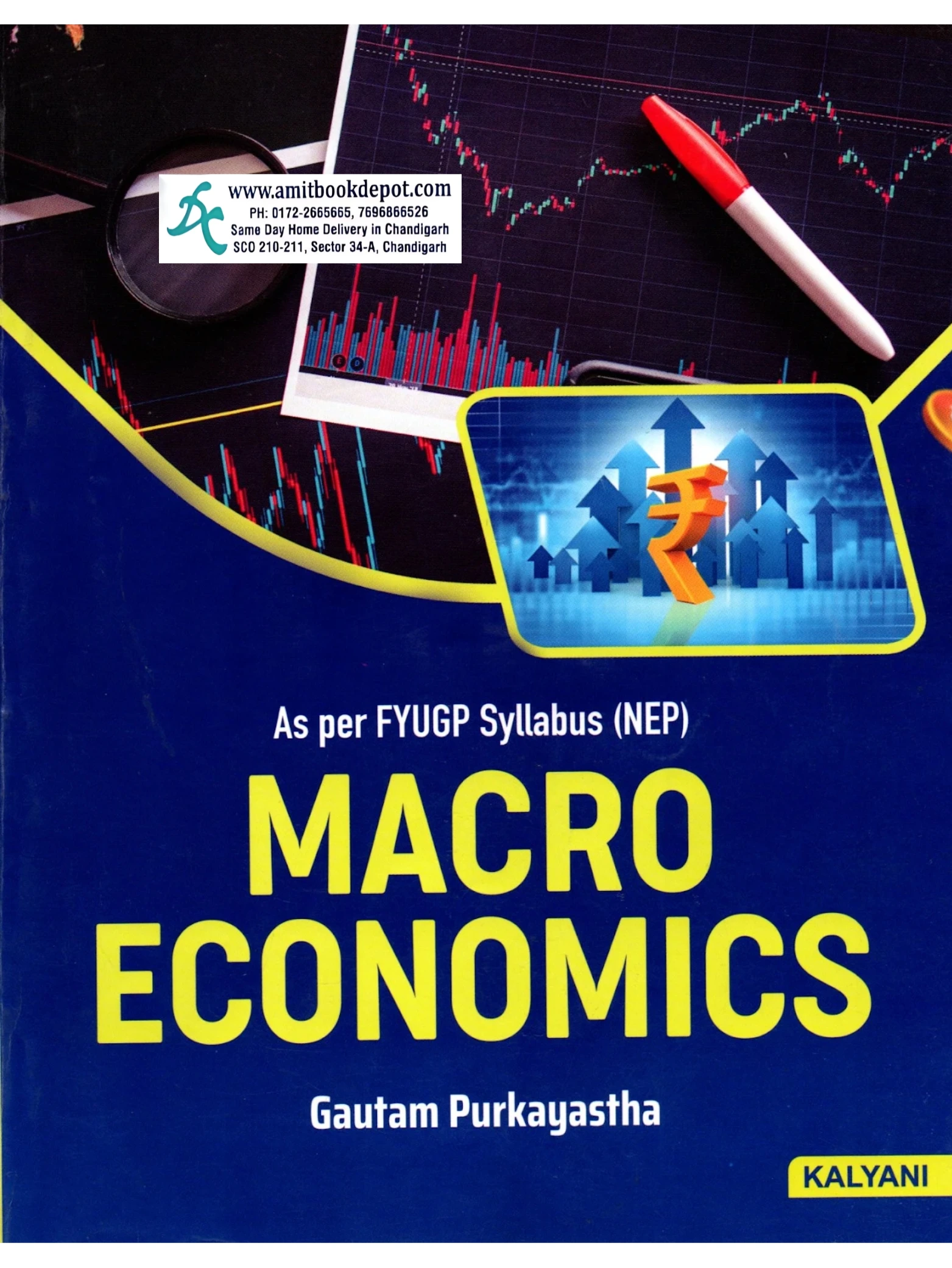
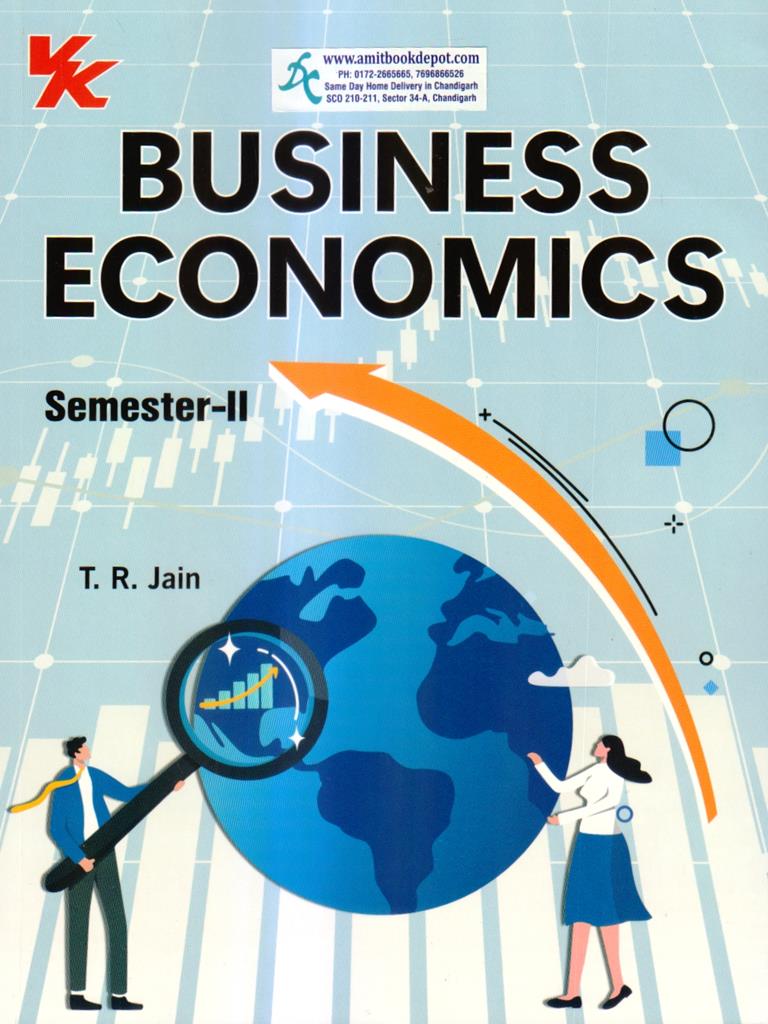
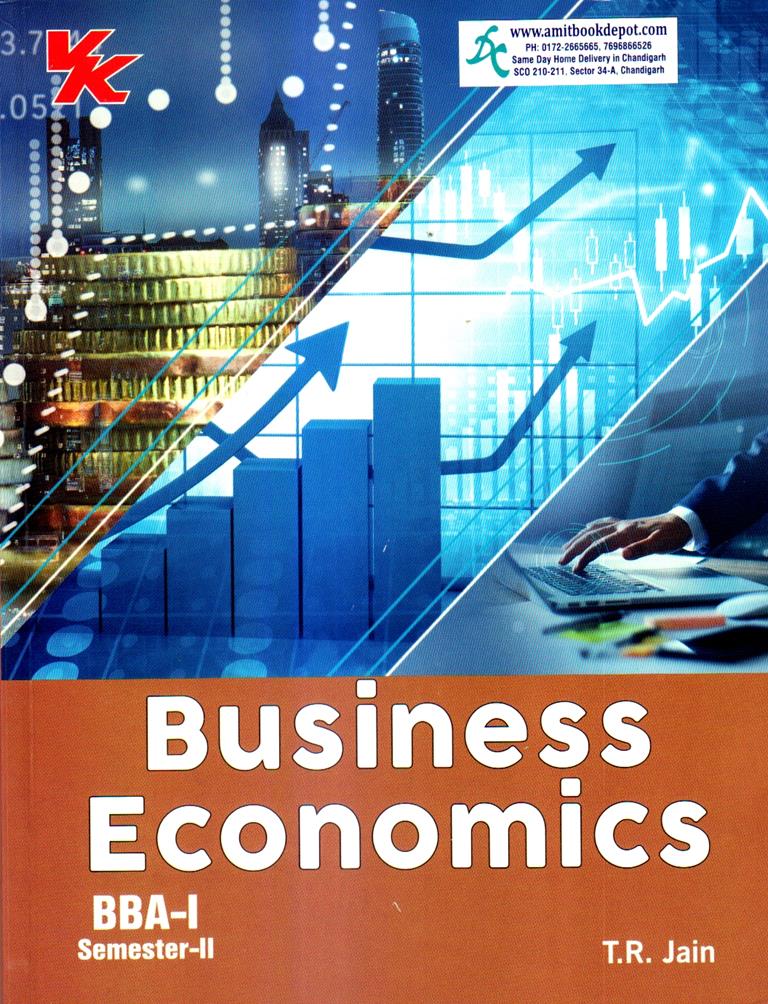
It is specifically designed for the B.Com 2nd Semester (Course Code: NBCM 203) and BBA 2nd Semester (Course Code: NBBA 202) at Panjab University, Chandigarh.
While both cover core concepts, the B.Com syllabus includes a dedicated unit on Distribution (theories of wages, rent, interest, profit), whereas the BBA syllabus integrates those topics differently.
Chapter 2: National Income and its Measurement covers these topics in detail, along with definitions, concepts, and methods of measuring national income.
The exam paper is divided into Section A (short answer questions), Section B (essay-type from Unit I), and Section C (essay-type from Unit II).
The concept of Marginal Efficiency of Capital, its determinants, and causes of its decline are explained in Chapter 5 of the textbook.
It is a key concept discussed in Chapter 4: Consumption Function, explaining the tendency of people to not increase consumption by the full amount of an increase in income.
Yes, Chapter 6: Government Policies is fully dedicated to both, covering their instruments, uses, objectives, limitations, and relative effectiveness.
Chapter 7: Inflation covers the meaning, types, causes, and effects of inflation, along with the relationship between inflation and unemployment via the Phillips curve.
Yes, the Theory of Secular Stagnation, including its key features, causes, and implications, is discussed in Chapter 5 alongside the Marginal Efficiency of Capital.
For B.Com students, this theory is part of the Distribution unit and is detailed in Chapter 8 under the section on Interest.
No Description Added
It is specifically designed for the B.Com 2nd Semester (Course Code: NBCM 203) and BBA 2nd Semester (Course Code: NBBA 202) at Panjab University, Chandigarh.
While both cover core concepts, the B.Com syllabus includes a dedicated unit on Distribution (theories of wages, rent, interest, profit), whereas the BBA syllabus integrates those topics differently.
Chapter 2: National Income and its Measurement covers these topics in detail, along with definitions, concepts, and methods of measuring national income.
The exam paper is divided into Section A (short answer questions), Section B (essay-type from Unit I), and Section C (essay-type from Unit II).
The concept of Marginal Efficiency of Capital, its determinants, and causes of its decline are explained in Chapter 5 of the textbook.
It is a key concept discussed in Chapter 4: Consumption Function, explaining the tendency of people to not increase consumption by the full amount of an increase in income.
Yes, Chapter 6: Government Policies is fully dedicated to both, covering their instruments, uses, objectives, limitations, and relative effectiveness.
Chapter 7: Inflation covers the meaning, types, causes, and effects of inflation, along with the relationship between inflation and unemployment via the Phillips curve.
Yes, the Theory of Secular Stagnation, including its key features, causes, and implications, is discussed in Chapter 5 alongside the Marginal Efficiency of Capital.
For B.Com students, this theory is part of the Distribution unit and is detailed in Chapter 8 under the section on Interest.