-
Mon-Fri: 10AM to 8PM 01722665665
-
My Account
-
-
0
Total :
₹ 0.00

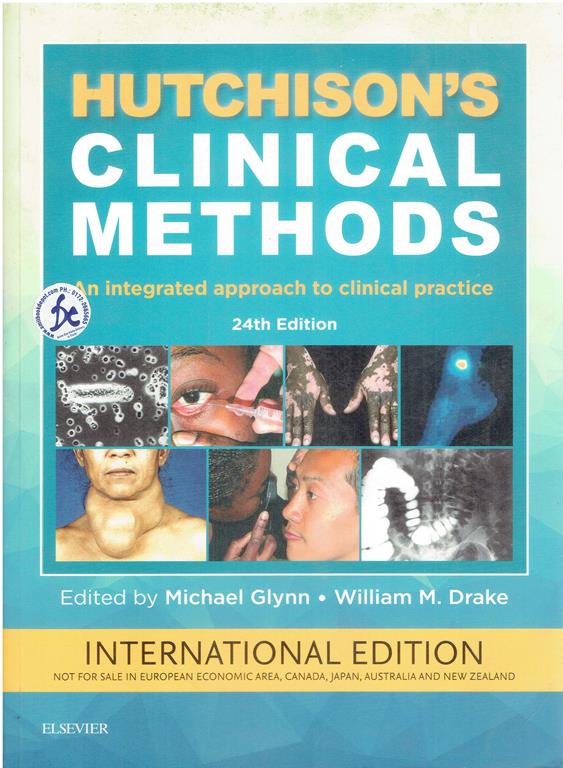





It covers general principles of history taking, patient examination, and establishing a strong doctor-patient relationship.
Yes, it dedicates a full section to assessment in particular groups, including women, children, older people, and psychiatric patients.
It includes a dedicated chapter on patients presenting as emergencies, focusing on rapid assessment and initial management.
It provides comprehensive coverage of all major systems, including respiratory, cardiovascular, gastrointestinal, nervous, and urogenital systems.
Yes, it features specific chapters dedicated to the systematic assessment of patients with a fever and those in pain.
Yes, it provides a dedicated chapter on the locomotor system, guiding musculoskeletal examination and assessment.
Yes, it includes detailed chapters on examining the eyes, as well as the ear, nose, and throat.
It includes chapters on differential diagnosis and initial management, helping learners formulate a structured diagnostic approach.
Absolutely, it features a chapter dedicated to children and adolescents, focusing on age-appropriate examination techniques.
It provides a focused chapter on the urogenital system, guiding systematic assessment of renal and reproductive health.
No Description Added
It covers general principles of history taking, patient examination, and establishing a strong doctor-patient relationship.
Yes, it dedicates a full section to assessment in particular groups, including women, children, older people, and psychiatric patients.
It includes a dedicated chapter on patients presenting as emergencies, focusing on rapid assessment and initial management.
It provides comprehensive coverage of all major systems, including respiratory, cardiovascular, gastrointestinal, nervous, and urogenital systems.
Yes, it features specific chapters dedicated to the systematic assessment of patients with a fever and those in pain.
Yes, it provides a dedicated chapter on the locomotor system, guiding musculoskeletal examination and assessment.
Yes, it includes detailed chapters on examining the eyes, as well as the ear, nose, and throat.
It includes chapters on differential diagnosis and initial management, helping learners formulate a structured diagnostic approach.
Absolutely, it features a chapter dedicated to children and adolescents, focusing on age-appropriate examination techniques.
It provides a focused chapter on the urogenital system, guiding systematic assessment of renal and reproductive health.