-
Mon-Fri: 10AM to 8PM 01722665665
-
My Account
-
-
0
Total :
₹ 0.00

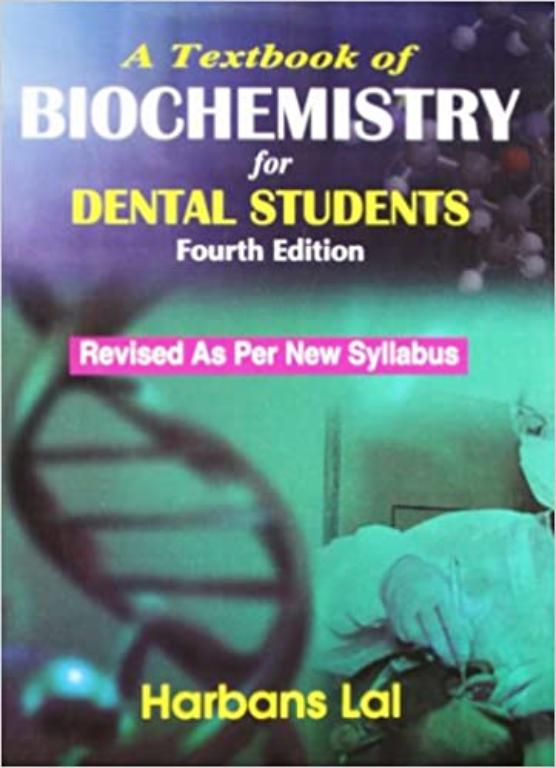
A book of Biochemistry for Dental Students, 5th Edition, by Harbans Lal, from CBS Publishers, is the definitive guide tailored for dental undergraduates. It masterfully integrates core concepts—from carbohydrate metabolism and enzymes to connective tissue and bone structure—with clinical applications. This edition features updated content on liver function tests, acid-base regulation, and a comprehensive practical exercises section, making it an essential resource for mastering biochemistry and its relevance to dentistry.




It is crucial for understanding the structure, health, and pathology of gingiva, periodontal ligament, and oral mucosa.
A dedicated chapter on bone structure and metabolism explains alveolar bone remodeling, key for orthodontics and implantology.
The text provides detailed chapters on liver function tests and kidney function tests, emphasizing their clinical utility.
Chapters on carbohydrate metabolism, lipid metabolism, and protein metabolism are clearly structured with integration.
It covers the biochemistry of haemoglobins and immunoglobulins, essential for understanding immunity and blood disorders.
Yes, a dedicated chapter on cancer discusses oncogenes and tumor markers, relevant for understanding oral malignancies.
It details the electron transport chain and high-energy compounds to clarify how cells generate and utilize energy.
The enzymes chapter lays the foundation for understanding their role in inflammation, tissue breakdown, and diagnostic assays.
The practical exercises section includes a specific exercise on saliva, covering its composition and diagnostic value.
It explains how the body switches between fed and fasting states, a concept vital for nutritional management in patients.
It is crucial for understanding the structure, health, and pathology of gingiva, periodontal ligament, and oral mucosa.
A dedicated chapter on bone structure and metabolism explains alveolar bone remodeling, key for orthodontics and implantology.
The text provides detailed chapters on liver function tests and kidney function tests, emphasizing their clinical utility.
Chapters on carbohydrate metabolism, lipid metabolism, and protein metabolism are clearly structured with integration.
It covers the biochemistry of haemoglobins and immunoglobulins, essential for understanding immunity and blood disorders.
Yes, a dedicated chapter on cancer discusses oncogenes and tumor markers, relevant for understanding oral malignancies.
It details the electron transport chain and high-energy compounds to clarify how cells generate and utilize energy.
The enzymes chapter lays the foundation for understanding their role in inflammation, tissue breakdown, and diagnostic assays.
The practical exercises section includes a specific exercise on saliva, covering its composition and diagnostic value.
It explains how the body switches between fed and fasting states, a concept vital for nutritional management in patients.