-
Mon-Fri: 10AM to 8PM 01722665665
-
My Account
-
-
0
Total :
₹ 0.00

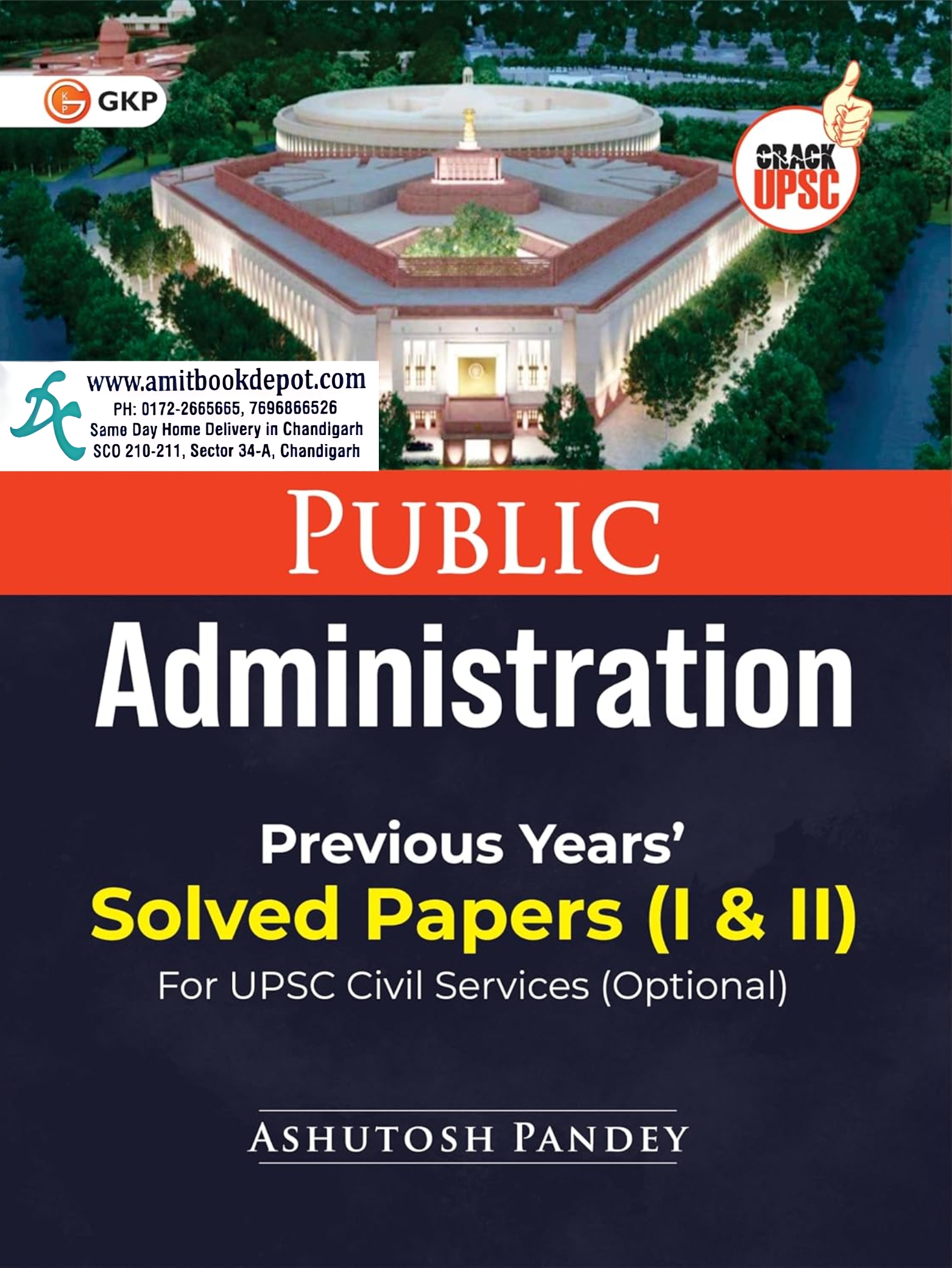




Yes, the book is updated regularly and includes solved question papers from recent years to reflect the most current trends and patterns in the UPSC Public Administration optional exam.
Absolutely. The solutions are meticulously crafted to adhere to UPSC's answer writing standards, demonstrating appropriate structure, introduction, body with headings, and conclusion within suggested word limits.
This book is primarily a practice and assessment tool. We recommend using it alongside standard textbooks. It is best utilized for understanding question patterns, revising topics, and practicing answer writing after building a foundational understanding.
Yes, the solved papers comprehensively cover all topics in the official syllabus for both Papers I & II, including contemporary and dynamic areas such as E-governance, New Public Service, Disaster Management, Citizen's Charter, and the 73rd/74th Amendments along with PESA.
While the primary focus is on solved answers, the book inherently demonstrates the approach to various question types through its solutions, showing how to tackle direct, analytical, and case-based questions effectively.
It is highly useful. The core administrative theories and Indian administration topics are common across many state PSC exams. However, candidates should cross-check their specific state syllabus for complete alignment.
The solutions for Comparative Public Administration questions cover the Riggsian models comprehensively and often contextualize their critique and relevance within modern administrative systems as demanded by the questions.
By studying the structured format, use of subheadings, diagrammatic representations (where apt), and logical flow of arguments in the solved answers, students from any background can learn and replicate effective presentation skills.
Certainly. Both Paper I (Financial Administration) and Paper II (Financial Management) include detailed solutions on budgeting, parliamentary control, audit, and the role of the Comptroller and Auditor General (CAG).
Yes, this is a core area of Paper II. The solved questions provide detailed explanations of the constitutional framework, value premises like socialism, secularism, and their impact on Indian administration.
No Description Added
Yes, the book is updated regularly and includes solved question papers from recent years to reflect the most current trends and patterns in the UPSC Public Administration optional exam.
Absolutely. The solutions are meticulously crafted to adhere to UPSC's answer writing standards, demonstrating appropriate structure, introduction, body with headings, and conclusion within suggested word limits.
This book is primarily a practice and assessment tool. We recommend using it alongside standard textbooks. It is best utilized for understanding question patterns, revising topics, and practicing answer writing after building a foundational understanding.
Yes, the solved papers comprehensively cover all topics in the official syllabus for both Papers I & II, including contemporary and dynamic areas such as E-governance, New Public Service, Disaster Management, Citizen's Charter, and the 73rd/74th Amendments along with PESA.
While the primary focus is on solved answers, the book inherently demonstrates the approach to various question types through its solutions, showing how to tackle direct, analytical, and case-based questions effectively.
It is highly useful. The core administrative theories and Indian administration topics are common across many state PSC exams. However, candidates should cross-check their specific state syllabus for complete alignment.
The solutions for Comparative Public Administration questions cover the Riggsian models comprehensively and often contextualize their critique and relevance within modern administrative systems as demanded by the questions.
By studying the structured format, use of subheadings, diagrammatic representations (where apt), and logical flow of arguments in the solved answers, students from any background can learn and replicate effective presentation skills.
Certainly. Both Paper I (Financial Administration) and Paper II (Financial Management) include detailed solutions on budgeting, parliamentary control, audit, and the role of the Comptroller and Auditor General (CAG).
Yes, this is a core area of Paper II. The solved questions provide detailed explanations of the constitutional framework, value premises like socialism, secularism, and their impact on Indian administration.